
Autumn foliage season in Japan in 2027 is expected to follow its usual south-moving arc: Nikko and the northern mountains coloring first in mid to late October, Hakone and Kanazawa in early to mid-November, Kyoto at its peak in the second half of November, and Tokyo carrying the season into early December. Unlike cherry blossom's single frantic week, koyo unfolds slowly over roughly ten weeks nationwide, and any one region typically holds strong color for two to three weeks. That longer window does not make the season any less contested: the ryokans, hotels, and private guides that define a luxury autumn trip are reserved 9–12 months in advance, the same discipline as spring.
Koyo, the turning of the maples and ginkgos, is Japan's second great seasonal event, and in the eyes of many who have seen both, its finest. Deep reds against temple wood, gold ginkgo avenues, mountainsides that look lit from within: it is a season built for a country that has spent centuries designing gardens and shrines specifically to frame it.
At Hitotoki, we are a Japan-based team of luxury travel designers who have created more than 1,000 tailor-made journeys across the country. We track the season from here as it moves south, hold long-standing relationships with the ryokans and guides who know their local peak week better than any forecast, and adjust itineraries on the ground as the color shifts. This guide covers what we tell our own clients about 2027.
Autumn in Japan 2027: quick answer
- Nikko & northern mountains: mid–late October
- Hakone & Kanazawa: early–mid November
- Kyoto: mid–late November (roughly November 15–25)
- Tokyo: late November – early December
- Strong color lasts: about two to three weeks in any given place
- First official 2027 forecasts: typically early September 2027, refined through autumn
- When to book: 9–12 months ahead; for autumn 2027, that means now
- Typical luxury budget: USD 1,000–2,500 per person per day
When Is Autumn Foliage Season in Japan in 2027?
Koyo moves in the opposite direction from the cherry blossom front: it begins in the northern mountains and Hokkaido in late September, then spreads south and downhill through October and November, reaching Kyushu by early-to-mid December. Because elevation matters as much as latitude, a single region can color from its peaks to its valley floor over several weeks.
Typical peak windows, based on historical averages:
| Region | Typical peak color |
|---|---|
| Daisetsuzan & northern Hokkaido | Mid–late September |
| Sapporo | Late October – early November |
| Nikko | Mid–late October |
| Hakone | Early–mid November |
| Kanazawa | Mid-November |
| Kyoto | November 15–25 |
| Hiroshima & Miyajima | Mid–late November |
| Tokyo | Late November – early December |
| Fukuoka & Kyushu | Early–mid December |
Precise dates for 2027 do not exist yet, and any source stating them already is guessing. Japan's private forecasters publish their first koyo outlooks in early September of the year in question and refine them weekly through October and November, the same cadence as the sakura forecasts but running the other end of the year. Recent seasons have drifted slightly later than the long-term average: the first official 2026 forecasts, published by Weathernews and the Japan Meteorological Corporation in early September 2026, pointed to color arriving later than the historical average nationwide after a lingering warm summer, with Nikko's Irohazaka pass not expected to peak until around October 31 and Kyoto's Arashiyama maples following in late November. That pattern argues for building flexibility into the itinerary rather than fixing every day around a single garden.
If you are weighing autumn against other seasons, our month-by-month guide to visiting Japan lays the whole year out honestly, and our full guide to Japan's autumn foliage covers destinations and itinerary ideas beyond the 2027 booking calendar.
The Best Places to See Autumn Foliage in Japan
Kyoto: temples built for this season
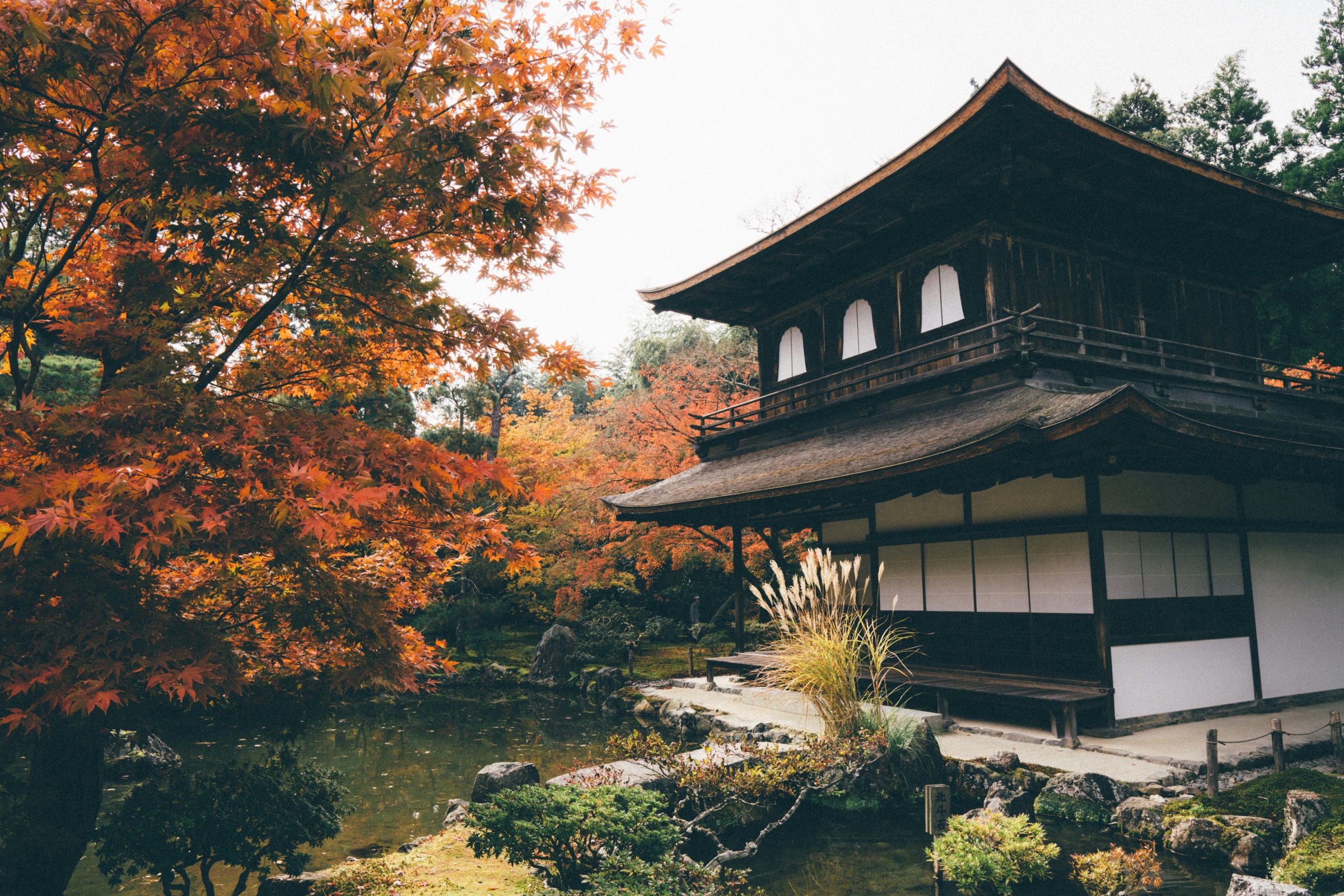
Kyoto plans its gardens around autumn as deliberately as it plans them around spring: maples framing temple gates, moss gardens turned to red and gold, the Philosopher's Path under a canopy of color. It is, predictably, the most crowded city in Japan through the back half of November, which is why our Kyoto days during koyo lean on early starts and quieter districts rather than the famous names at midday.
Nikko: the earliest major color, and Japan's boldest shrines
Nikko colors first among the country's headline destinations, its cedar-lined avenues and the ornate Toshogu shrine complex set against maples turning several weeks before Tokyo's own. A private day trip from Tokyo catches a version of autumn most travelers miss entirely by arriving in November alone.
Hakone: mountain color and Mount Fuji
Elevation puts Hakone's peak a few weeks ahead of the cities below it. The Owakudani ropeway and the shores of Lake Ashi turn color against volcanic slopes, and on clear days the same pairing spring travelers chase, foliage with Mount Fuji, is on offer here in red rather than pink.
Kanazawa: Kenroku-en in red and gold
Kanazawa reaches its peak a little ahead of Kyoto, and Kenroku-en, one of Japan's three great gardens, is arguably even better suited to autumn than to spring: its ponds, stone lanterns, and famous rope-supported pines were composed with exactly this color in mind. The city's samurai and geisha districts add depth, with a fraction of Kyoto's November crowds.
Tokyo: the season's last word
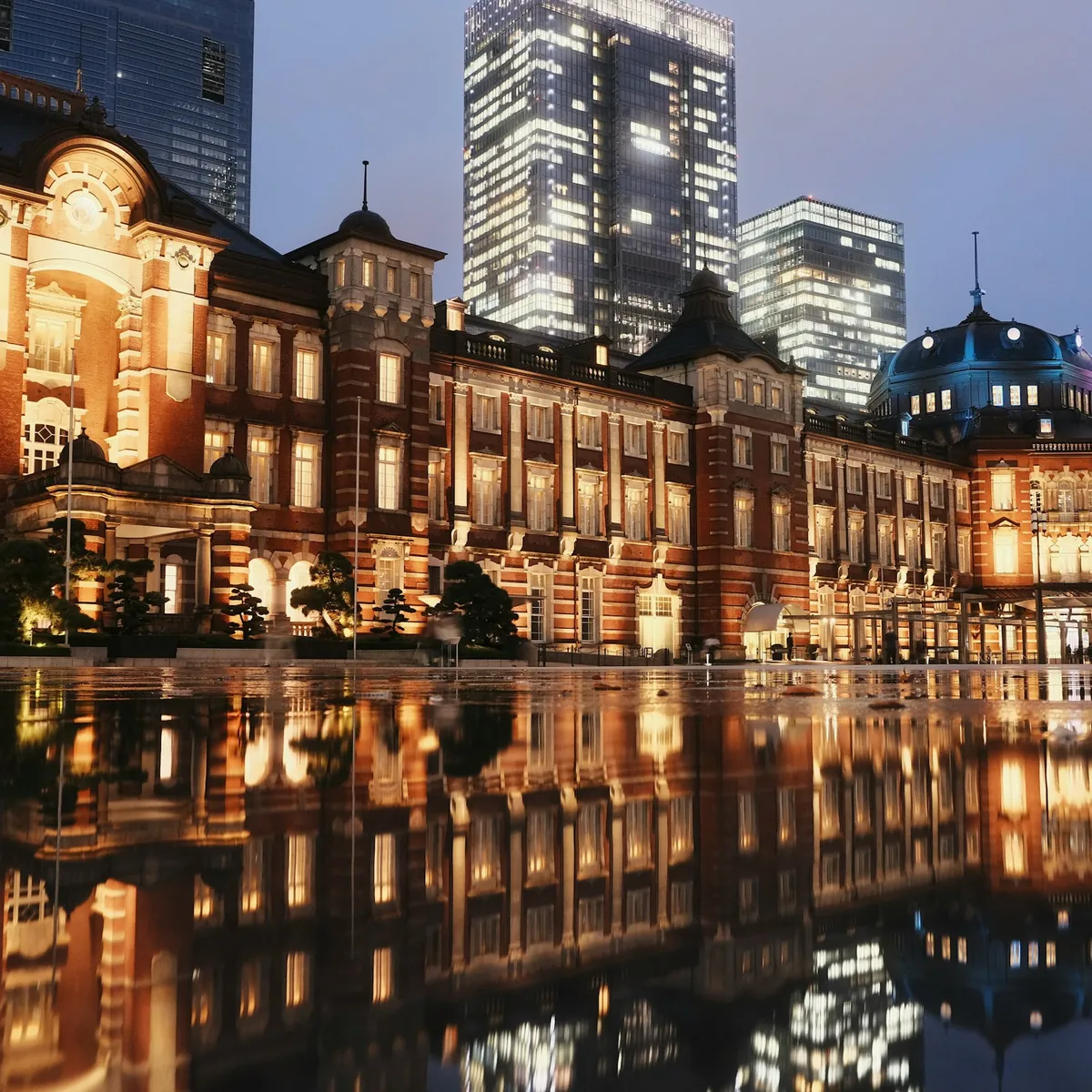
Tokyo turns latest of the major cities, carrying koyo into early December through its formal gardens, the ginkgo avenue at Jingu Gaien, and the palace moats. For an itinerary that closes in the capital, it lets the season follow you nearly to departure.
Hiroshima & Miyajima: color against the floating torii
Momijidani, the maple valley behind Miyajima's shrine, gives the island's already essential visit an autumn layer, its color reflected near the same floating torii gate that draws spring travelers. An early ferry, ahead of the day-trip crowds, remains one of the season's quiet privileges.
Why Autumn 2027 Should Be Booked Now
Koyo compresses a year's demand into two overlapping windows: the northern and mountain peak in October, and the Kyoto-to-Tokyo peak across November. The domestic calendar sharpens both: Culture Day (November 3) and Labor Thanksgiving Day (November 23) are national holidays that fall squarely inside the season, and Japanese travelers plan around them with the same urgency international visitors bring to the color itself. The properties that define a luxury Japan trip, ryokans with a dozen rooms, hotels with genuine garden views, do not scale for that demand, and their late-2027 calendars open and fill many months ahead. The finest private guides are committed earliest of all.
This is why our standing advice for koyo is the same as for sakura: plan 9–12 months ahead, a timeline our guide to booking a luxury Japan trip walks through in detail. For autumn 2027, that window is open now, through the end of 2026. Waiting for the August 2027 forecasts to commit means choosing from what remains, in the season's busiest weeks.
Budget-wise, koyo sits alongside sakura near the top of Japan's range: expect USD 1,000–2,500 per person per day excluding international flights, with the finest ryokan nights at the upper end, our full cost breakdown explains what drives the figure. If your dates are already taking shape, sharing them with us early is the single most effective thing you can do for the quality of the trip.
What a Luxury Autumn Itinerary Looks Like
The strongest koyo itineraries move with the color instead of chasing a single date. A typical 10–14 day route follows the season south:
- Tokyo (3–4 nights): city gardens easing into their own late-season color, Japan's design and food scene at full pace, and a private day trip to Nikko for the season's earliest color and its mountain shrines
- Hakone (2 nights): a luxury ryokan with a private onsen as the mountain foliage peaks, see our ryokan guide for what to look for
- Kyoto (4 nights): the season's centerpiece among temples and gardens, with early starts doing the heavy lifting against the crowds
- Kanazawa (2 nights): Kenroku-en at its peak and quieter crafts districts to close the journey
Within that frame, autumn offers its own set of experiences: gardens at first light before the day's visitors arrive, evening illuminations once the color has drawn a full day of admirers, and rooms that face directly onto a maple courtyard rather than a view of one. Our itinerary guide for first-time visitors lays out the standard route structure, and every tailor-made journey adapts it to your pace.
Seeing the Color Without the Crowds
The difference between a memorable koyo week and a frustrating one is rarely the leaves; it is the timing. A few principles we apply on every autumn itinerary:
- Go at dawn. Kyoto's temple gardens at 7 a.m. and at noon are different places entirely. With a private guide, early starts cost nothing.
- Chase elevation, not just fame. A short drive uphill or a different valley often holds color for another week after the famous names have peaked.
- Use the evenings. Illuminated maples after dinner, once the day's crowds have thinned, are among autumn's finest hours.
- Let your ryokan do some of the viewing. The best autumn stays face directly onto their own garden, private by design.
- Avoid the two national holidays if you can. Culture Day and Labor Thanksgiving Day concentrate domestic travel on top of the season's international demand.
What If the Color Comes Early or Late?
It sometimes does, occasionally by a week or more in either direction. A well-designed itinerary treats this as a planning constraint, not a catastrophe:
- Multi-region routing means the trip crosses several peak windows; if Nikko is early, Hakone or Kyoto catches you, and Tokyo's late-season color adds margin at the end.
- Elevation is a lever. Moving between a mountain garden and a valley temple can add days of color to an itinerary that would otherwise miss a single peak week.
- The trip never rests on leaves alone. The temples, the craftsmanship, and the food are extraordinary in any week of autumn; color is the crown, not the foundation.
- A Japan-based team adjusts in real time, shifting day-by-day plans toward wherever the season is strongest while you travel.
Frequently Asked Questions
When is autumn foliage (koyo) season in Japan in 2027?
Foliage moves south over about ten weeks: Nikko and the northern mountains typically peak in mid to late October, Hakone and Kanazawa in early to mid-November, Kyoto in the second half of November, and Tokyo in late November to early December. The first official 2027 forecasts arrive in late August 2027.
When should I book a 2027 autumn trip?
Nine to twelve months in advance, the finest ryokans, hotels, and private guides for the season's peak weeks are reserved long before the color arrives. For autumn 2027, the ideal booking window is open now.
Where is the best place to see autumn leaves?
Kyoto is the classic choice; Nikko, Hakone, Kanazawa, and Tokyo each offer a distinct and equally memorable window on the season. The strongest itineraries combine several, moving with the color.
How does autumn compare to cherry blossom season?
Autumn's color lasts longer, roughly two to three weeks in a given place against sakura's single week, and the season moves more slowly, which makes multi-region planning easier. Crowds and prices sit close to spring's, and the same early booking discipline applies.
What if the color shifts during my trip?
Multi-region routing, elevation changes, and on-the-ground adjustments absorb an early or late season. A trip built around one garden in one week is fragile; a well-built itinerary is not.
How much does a luxury koyo trip cost?
Budget USD 1,000–2,500 per person per day excluding international flights, with autumn sitting near the top of that range alongside cherry blossom season. Early booking matters more than in most other months.
Planning Your 2027 Autumn Journey
Koyo rewards the same patience sakura does: plan early, route flexibly, and trust a team that watches the season from the ground rather than a single forecast. The color will do what it always does, arrive gradually, spectacularly, and on a schedule no one fully controls. Everything else about the week is designable, and that is our work.
Hitotoki Travel is a luxury travel agency based in Japan, specializing in bespoke, tailor-made journeys for discerning travelers. Every itinerary is personally designed to create an unforgettable Japan experience.