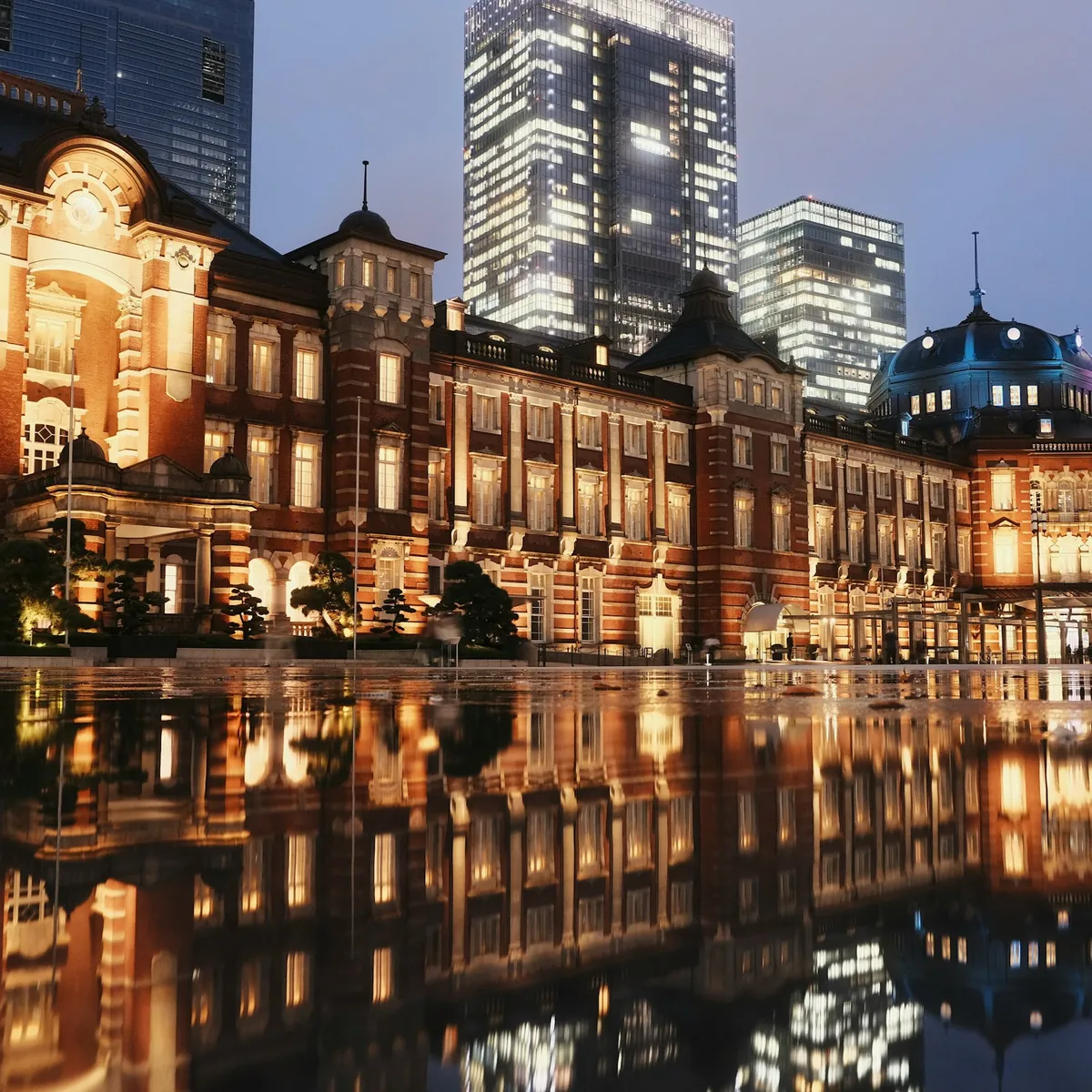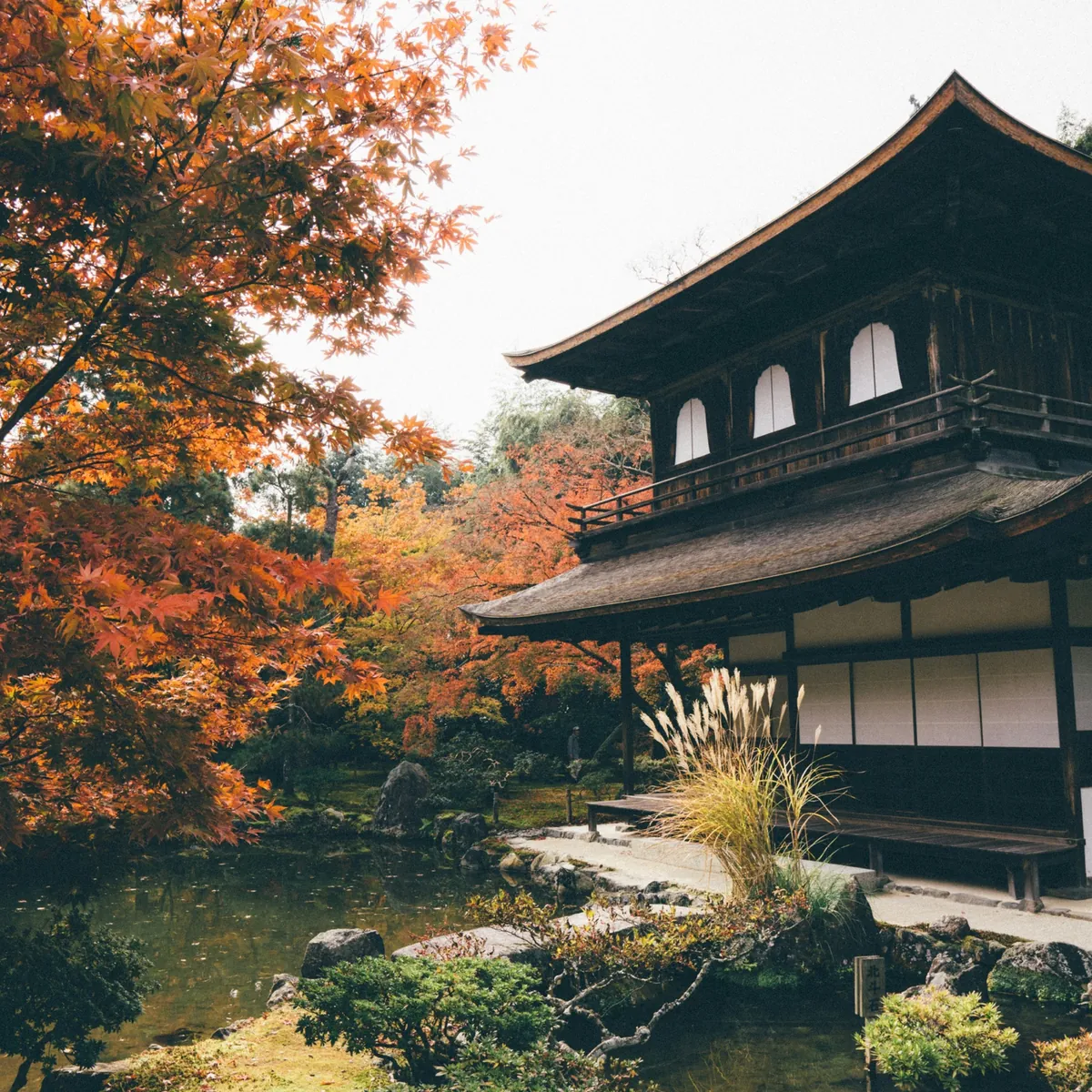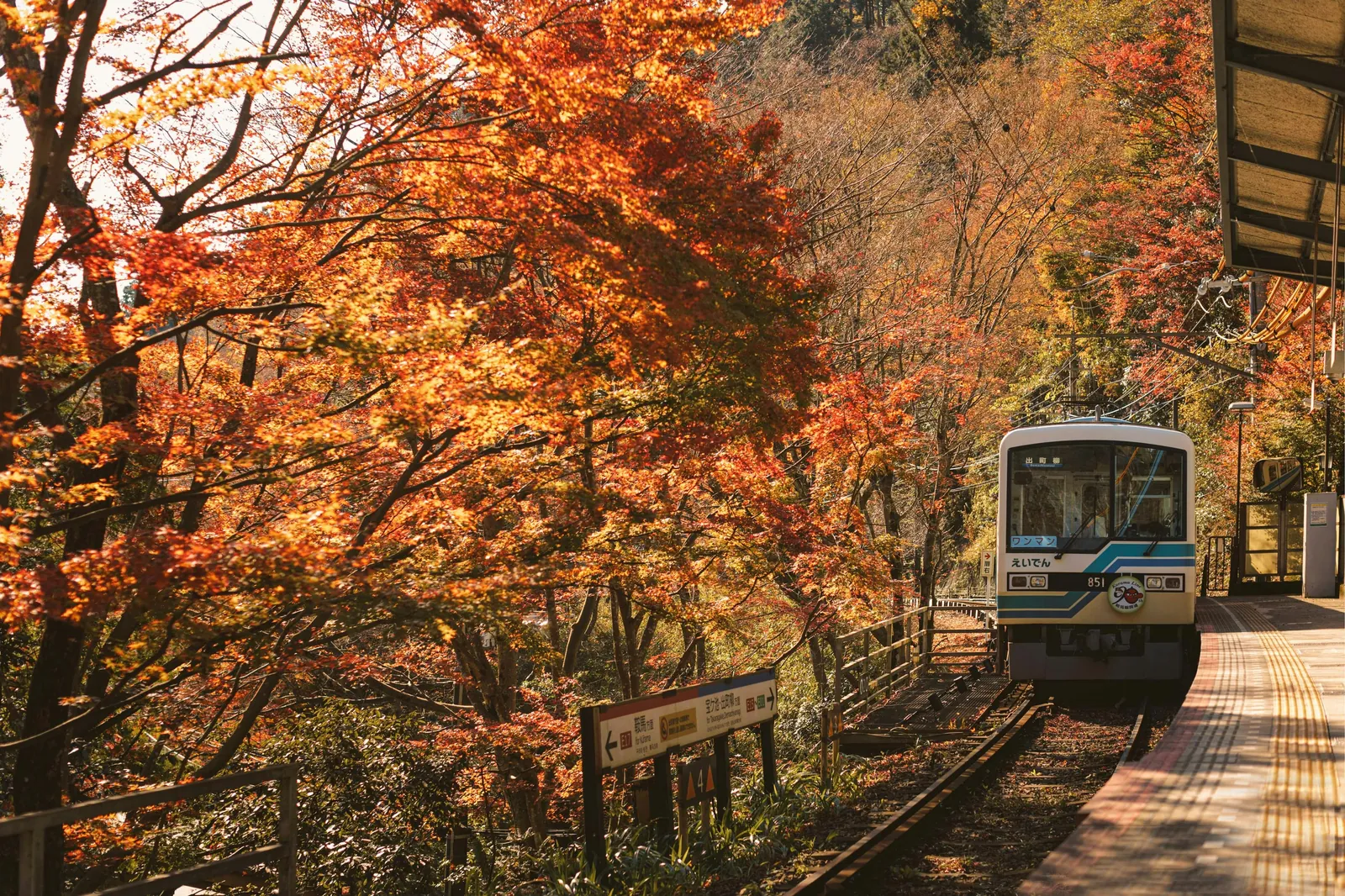

Autumn in Japan runs from mid-October through late November, with peak fall foliage (koyo) in Kyoto reliably falling between November 15 and 25. Japan in the fall is the country's second-most-celebrated travel season after cherry blossoms, and in many ways, its most visually striking. Maple leaves turning crimson and gold against centuries-old temples, lantern-lit garden walks at night, crisp clear mornings with views of distant peaks: autumn is when Japan reveals its most painterly self.
For luxury travelers, autumn offers something cherry blossom season does not: slightly more predictable timing. While sakura bloom dates can shift by 10 to 14 days based on weather, autumn color in Kyoto consistently peaks in the third or fourth week of November. That makes itinerary design more precise, ryokan selection more confident, and the overall planning experience less anxious.
At Hitotoki, we are a Japan-based luxury travel agency that has designed over 1,000 bespoke journeys since 2016. We have personally observed every autumn season from inside Japan, and we know firsthand which temples peak when, which ryokans frame the foliage best, and how to time a multi-city itinerary so that you catch peak color in each destination. This guide shares what we have learned.
Autumn in Japan at a glance
- Season: Mid-October to late November (some regions extend into early December)
- Peak foliage in Kyoto: November 15–25
- Peak foliage in the Japan Alps: Mid- to late October
- Peak foliage in Tokyo: Late November to early December
- Best regions: Kyoto, Hakone, Nikko, Japan Alps (Kamikochi, Takayama), Tohoku
- Recommended trip length: 10–14 days
- Booking window: 6–9 months ahead
- Typical luxury budget: USD 1,000–2,500 per person per day
- Best for: travelers who prefer crisp weather, painterly landscapes, and slightly more predictable timing than cherry blossom season
When Does Autumn Foliage Peak in Japan?
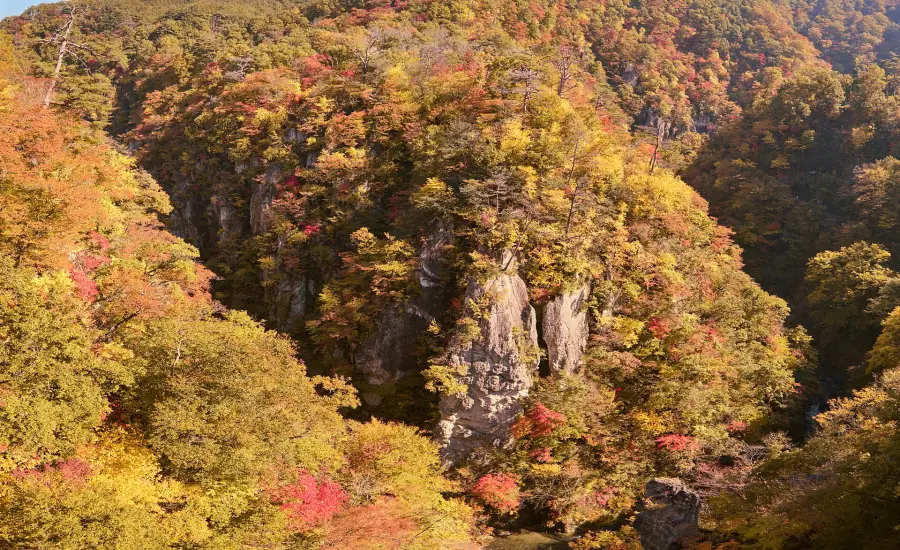
Japan is long (stretching nearly 3,000 kilometers north to south), so autumn color does not arrive everywhere at once. It begins in the highest elevations and northernmost regions in early October, then sweeps southward and downward through November. Understanding this timing is essential when designing a multi-city itinerary.
| Region | Peak Foliage Window | What to Expect |
|---|---|---|
| Hokkaido (Daisetsuzan) | Late September – Mid October | First foliage in Japan: alpine landscapes, dramatic and remote |
| Japan Alps (Kamikochi, Takayama) | Mid – Late October | Birch, larch, and maple: mountain scenery at its best |
| Nikko & Tohoku | Late October – Early November | Forested valleys, waterfalls, and historic shrines |
| Hakone | Early – Mid November | Maple-framed Mt. Fuji views, ryokan garden colors |
| Kyoto & Nara | November 15 – 25 | The iconic season: temples, gardens, riverside walks |
| Tokyo | Late November – Early December | Ginkgo avenues and city park colors arrive last |
The single most important takeaway: an autumn itinerary that begins in the mountains and moves toward Kyoto follows the foliage as it descends. Travelers who book a trip starting in Kyoto and ending in the Japan Alps often arrive in the mountains after peak color has passed.
Japan in the Fall, Month by Month
Fall in Japan is not a single moment but a slow, ten-week descent of color from the northern mountains to the southern cities. Here is what each month actually looks like on the ground.
September: First Color in the North
Fall begins quietly. Daisetsuzan in Hokkaido shows Japan's first foliage in late September, while the big cities remain warm and green. This is a month for onsen towns and northern landscapes, and for keeping an eye on the tail of typhoon season, which our itineraries build around.
October: The Mountains Turn
The Japan Alps ignite from mid-October: Kamikochi's larches and birches, Takayama's forested valleys, Nikko's shrine-lined gorges by late month. The air turns crisp, skies clear, and the first full koyo journeys of the season begin here.
November: Peak Season
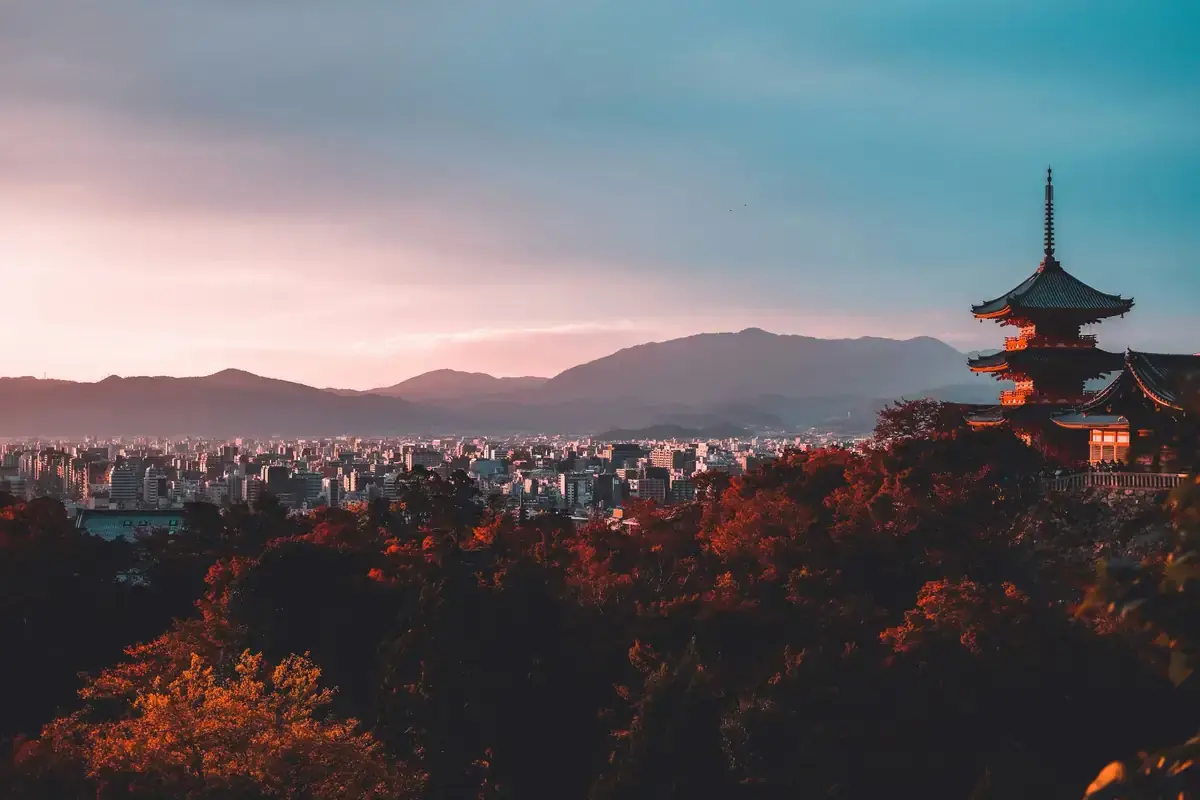
The month everything builds toward. Hakone frames Mt. Fuji in maple from early November; Kyoto and Nara peak between November 15 and 25, when temple gardens reach their most painterly. This is the finest and most in-demand window of the entire Japanese fall.
Early December: Tokyo's Golden Finale
Fall in Japan ends where most journeys do: Tokyo's ginkgo avenues turn deep gold in late November and hold into early December, just as the city's winter illuminations begin. A quieter, luminous coda to the season.
Best Places to See Fall Foliage in Japan
Not every destination peaks at the same time, and not every destination delivers the same kind of autumn experience. Here are the regions we recommend most often, and what each one offers.
Kyoto: The Cultural Heart of Japanese Autumn
Kyoto is the destination most travelers associate with Japanese autumn, and rightly so. The combination of ancient temples, traditional gardens, and the city's signature Japanese maples (momiji) produces some of the most photographed landscapes in the country.
Peak window: November 15–25 (some years extend into early December)
Where to go in Kyoto for autumn foliage:
- Tofuku-ji Temple The Tsutenkyo Bridge looking out over a valley of maples is widely considered Japan's most iconic autumn view. Crowds are intense at peak; private early-morning access is the only way to experience it in calm
- Eikan-do Temple Famous for its evening illuminations (yoraku), when the temple grounds are open after dark and the maples are lit from below
- Arashiyama The bamboo grove is magnificent year-round, but the surrounding hills turn deep red and gold in November. The Hozugawa River boat trip is a quieter alternative to the main paths
- Kiyomizu-dera The wooden terrace overlooking the city is at its most dramatic with maple foliage in the foreground
- Ruriko-in Temple Open to the public only twice a year, including a short autumn window. Reservations are required and difficult to obtain: exactly the kind of access a specialist can secure
Hitotoki recommendation: The most rewarding way to experience Kyoto's autumn is not to chase every famous temple, but to combine one or two iconic locations with private access to lesser-known gardens. We plan the key gardens for the first hour after the gates open, with a private guide: the difference between a postcard moment and the actual experience of stillness is profound.
Hakone: Mt. Fuji Framed by Autumn Color
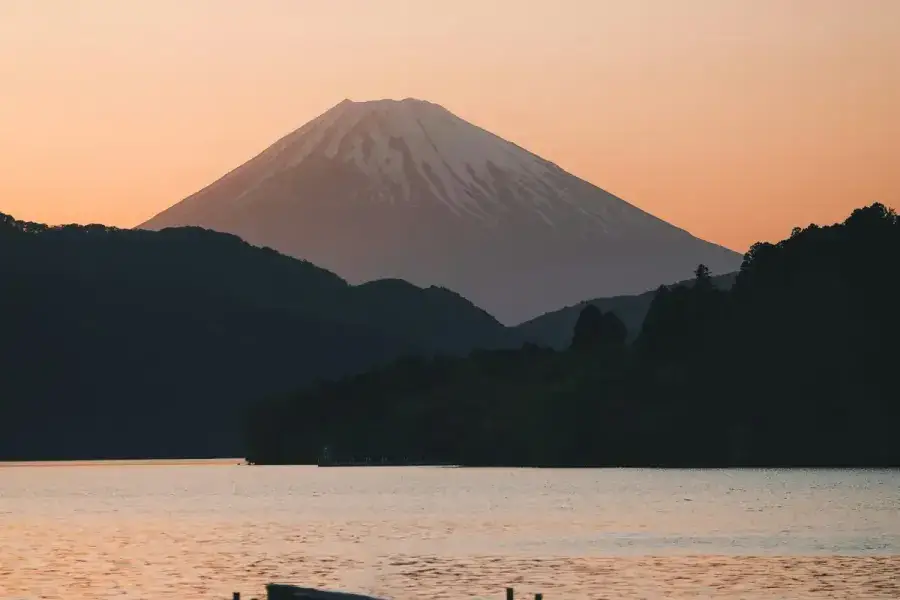
Hakone is the perfect autumn complement to Kyoto. Just 90 minutes from Tokyo by Romancecar express, this mountain resort town offers something Kyoto cannot: views of Mt. Fuji framed by crimson maples, and luxury ryokans where the foliage is part of the in-room experience.
Peak window: Early to mid-November
Why Hakone works in autumn: The combination of clear, dry weather (autumn is among Hakone's most reliable seasons for Mt. Fuji visibility), the mountain scenery, and the deep red of the local maples creates a backdrop that ryokan architecture was designed to frame. Properties with garden views or open-air baths come into their own at this time of year.
Highlights in Hakone in autumn:
- Two nights at a luxury ryokan with garden or Mt. Fuji views Gora Kadan, Hakone Ginyu, and Hakone Yutowa are among our most frequent recommendations
- Hakone Open-Air Museum A sculpture garden set against mountain foliage. The juxtaposition of contemporary art and autumn color is unique to this season
- Lake Ashi The classic boat crossing with Mt. Fuji and red-tinged shores. Best in early morning when the lake is calm
- Hakone Botanical Garden of Wetlands Quieter than the museum, with particularly fine reflections in early November
Nikko: Forest Valleys and Imperial Shrines
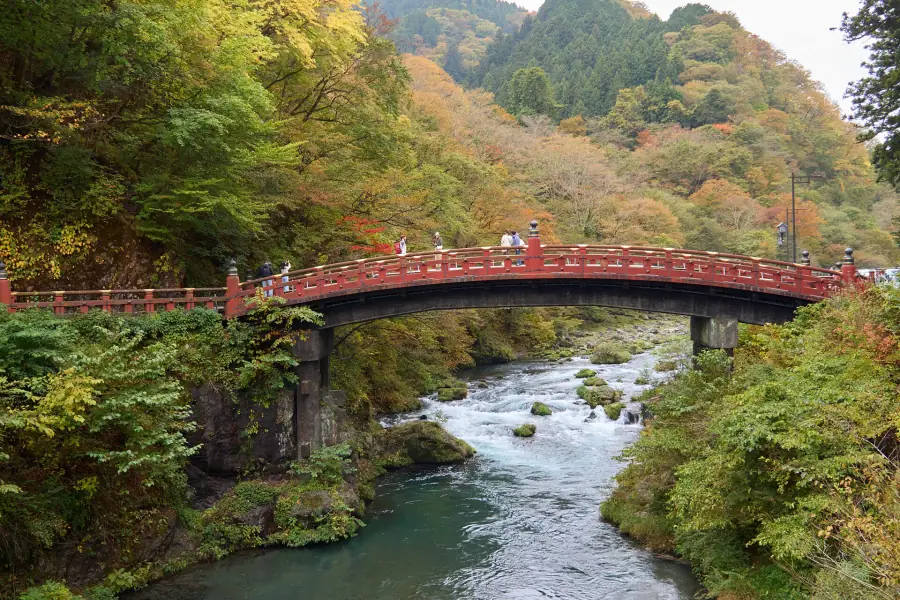
For travelers willing to venture beyond the standard route, Nikko offers one of Japan's most spectacular autumn settings, and one of its earliest peak windows.
Peak window: Late October to early November (Lake Chuzenji area peaks even earlier, in mid-October)
Nikko is best known for Toshogu Shrine, the elaborate mausoleum of shogun Tokugawa Ieyasu, but the surrounding mountains, waterfalls, and lakes are the real autumn draw. The Irohazaka mountain road, with 48 hairpin turns winding up to Lake Chuzenji, is one of the most famous foliage drives in the country.
When to include Nikko: If your travel dates fall in late October, Nikko is one of the few destinations already at peak color. We sometimes recommend it as a 1-night detour from Tokyo before continuing south to catch later foliage in Hakone and Kyoto.
The Japan Alps: Takayama, Kamikochi, and Mountain Color
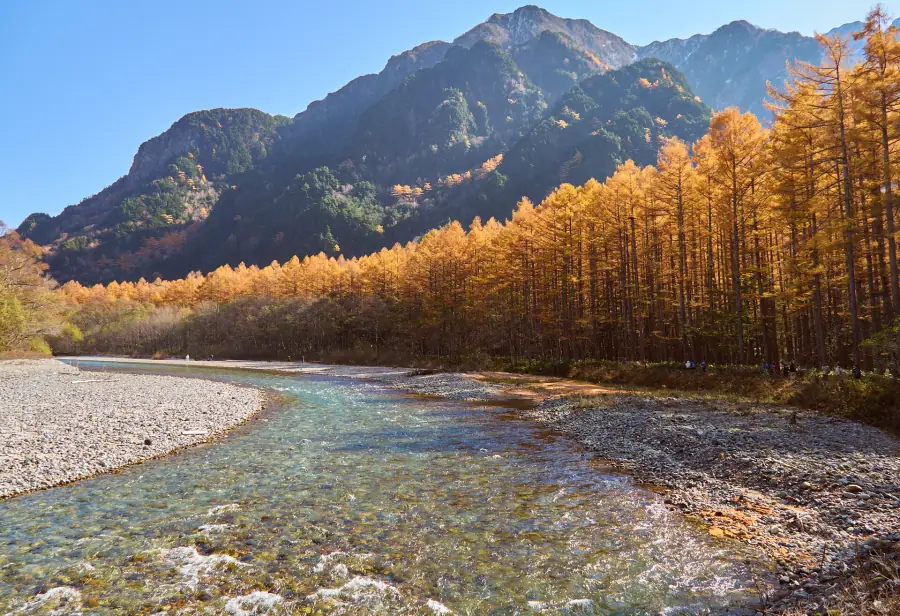
The Japan Alps offer the earliest mainland foliage and some of the most dramatic landscapes. This region peaks in mid- to late October, before Kyoto and Hakone, making it an ideal first leg for travelers arriving in mid-October.
Where to go:
- Kamikochi: a protected alpine valley with birch, larch, and crystal-clear rivers. Closed in winter, so the autumn season is short and intense
- Takayama: Edo-period merchant town in the mountains, with morning markets, sake breweries, and surrounding hills turning gold in mid-October
- Kanazawa and Kenroku-en Garden: Kenroku-en is widely considered one of Japan's three most beautiful gardens, and its autumn arrangement of pines, maples, and ponds is exceptional. Peaks in early November
A practical note: The Japan Alps require more travel time than the Tokyo–Kyoto axis, and luxury accommodation is limited. We recommend this region for repeat visitors to Japan, or for first-time travelers willing to trade some logistical ease for landscape drama.
Tokyo: Ginkgo Avenues and Late-Season Color
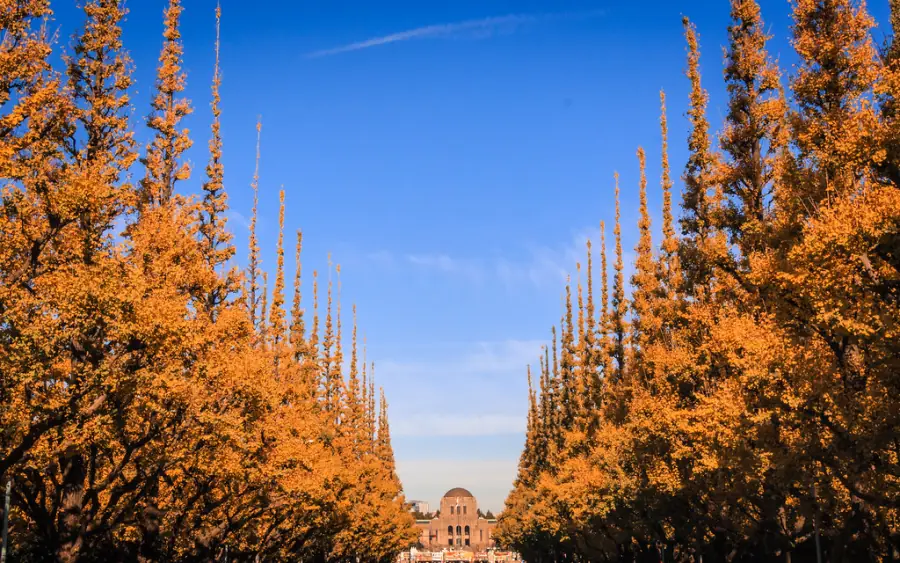
Tokyo is often dismissed as an autumn destination — wrongly. The city peaks later than the rest of the country, typically late November to early December, which makes it a useful final stop for itineraries that begin in the mountains.
Where to go in Tokyo:
- Meiji Jingu Gaien Ginkgo Avenue A 300-meter corridor of ginkgo trees turning brilliant yellow, one of the most photographed urban autumn scenes in Japan
- Rikugien Garden Edo-period stroll garden with maple-framed teahouses, illuminated in the evenings during peak season
- Mount Takao A 90-minute trip from central Tokyo, popular with locals for its accessible mountain foliage
- Shinjuku Gyoen Vast and varied, with multiple foliage zones (Japanese, English, French gardens) that peak at slightly different times
Tokyo is also where the gastronomic side of an autumn trip comes alive: seasonal kaiseki menus, matsutake mushroom dishes, sanma (autumn pike), and persimmon-driven sweets are at their best in November.
The Best 10–14 Day Japan Autumn Itinerary
The ideal autumn itinerary follows the foliage from mountains to cities. Here is the structure we recommend most often, designed to maximize peak-color exposure across multiple regions.
Days 1–2: Tokyo Arrival and First Impressions
Arrive in Tokyo, recover from jet lag with low-pressure activities, and begin to acclimate to Japan's rhythm. Tokyo's foliage will not yet be at peak, but the city itself rewards an unhurried start.
- Stay at Aman Tokyo, The Peninsula Tokyo, or Hoshinoya Tokyo
- Private food tour through Tsukiji Outer Market or Togoshi-Ginza
Days 3–4: Takayama or Kanazawa — Mountain Color and Heritage
Travel by shinkansen and limited express to the Japan Alps region. By mid-October, foliage here is approaching or at peak. Kanazawa is the more accessible option for first-time visitors; Takayama is the more atmospheric choice for those who want a smaller, traditional town.
- Stay at a heritage ryokan or boutique luxury hotel
- Private guided visit to Kenroku-en Garden in Kanazawa
- Visit local sake breweries and seasonal markets
Days 5–6: Hakone — Ryokan Retreat and Mt. Fuji Views
Travel to Hakone, where early-November foliage and clear autumn skies create the conditions for the most reliable Mt. Fuji views of the year.
- Two nights at a luxury ryokan with private onsen and garden views
- In-room kaiseki dinners featuring autumn seasonal ingredients
- Lake Ashi morning crossing in clear weather
- Hakone Open-Air Museum
Days 7–10: Kyoto — The Cultural Heart of Autumn
Travel to Kyoto and time your stay for the third or fourth week of November, when the city is at peak color.
- Stay at HOTEL THE MITSUI KYOTO, Hoshinoya Kyoto, or a luxury machiya townhouse
- Private early-morning entry to Tofuku-ji or Eikan-do
- Evening illumination at a select temple (limited capacity, requires booking)
- Tea ceremony in a historic machiya
- Private guided walk through Arashiyama bamboo grove and the surrounding maple valleys
- Geisha district experience in Gion
Days 11–12: Nara or Osaka Extension
A short day trip to Nara, where deer roam under maples on the temple grounds, or to Osaka for street food and contemporary culture. Both pair naturally with a Kyoto base.
Days 13–14: Tokyo Finale
Return to Tokyo just as the city's late-season foliage arrives. Use these final days for refined dining, shopping in Ginza or Aoyama, and a closing experience that captures the modern face of Japan.
For travelers with more time, extensions to Naoshima (the art island), Hiroshima, or Yakushima all work beautifully as add-ons.
For a deeper breakdown of how to combine these destinations, see our Luxury Japan Itinerary for First-Time Visitors.
Best Ryokans for an Autumn Stay in Japan
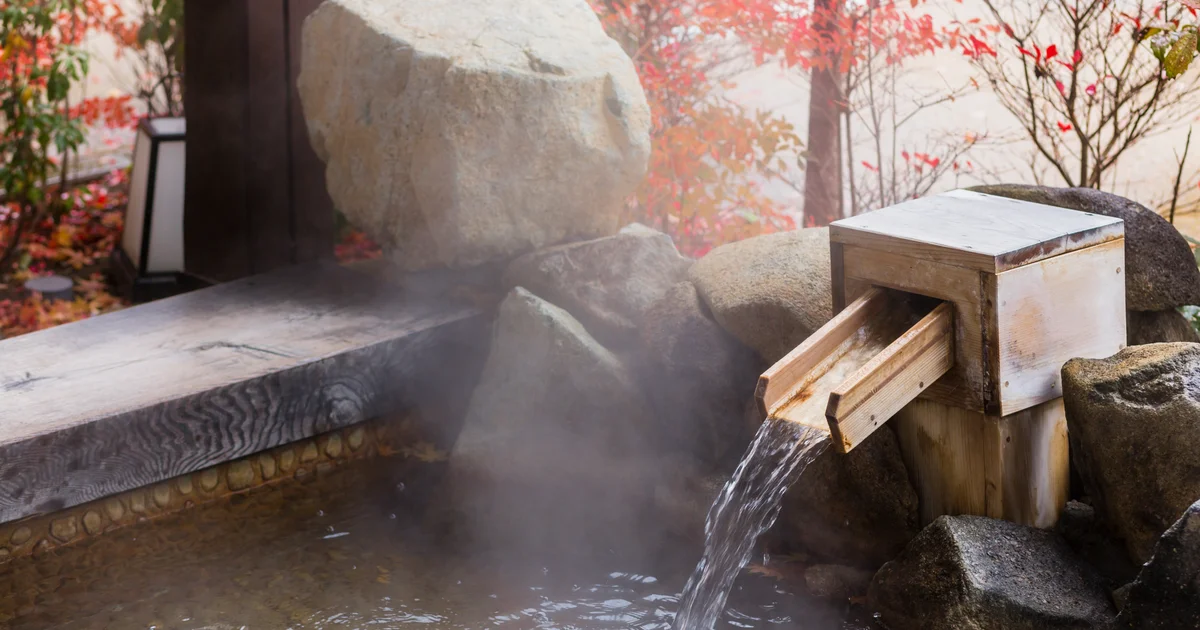
A ryokan stay is more than accommodation: it is, particularly in autumn, an extension of the foliage experience. The best properties are designed around their gardens, and the seasonal kaiseki menu uses ingredients that arrive only at this time of year.
For couples and luxury travelers, we recommend prioritizing properties with at least one of the following: a private open-air bath (rotenburo) with a view, a personal garden, or proximity to a celebrated autumn-color destination.
Top regions for an autumn ryokan stay:
- Hakone Gora Kadan, Hakone Ginyu, Hakone Yutowa
- Kyoto Hiiragiya, Tawaraya, Hoshinoya Kyoto
- Hida-Takayama Hoshinoya Takayama, Honjin Hiranoya Kachoan
- Mt. Koya Eko-in (for travelers seeking spiritual immersion with autumn scenery)
For more on what makes a luxury ryokan stay exceptional, see our Ryokan Experience in Japan guide.
Autumn vs Cherry Blossom Season: Which Should You Choose?
Both seasons are spectacular, but they reward different types of travelers. Here is how they compare in practice.
| Aspect | Cherry Blossom (Late March – Mid April) | Autumn Foliage (Mid October – Late November) |
|---|---|---|
| Visual impact | Soft pinks and whites: delicate, fleeting | Crimson, gold, and orange: dramatic, painterly |
| Timing predictability | Low: bloom shifts 10–14 days year to year | High: Kyoto peaks reliably November 15–25 |
| Bloom duration | 7–10 days at any one location | 2–3 weeks at any one region |
| Weather | Cool and changeable, often rainy | Crisp, dry, often clear |
| Crowds | Highest of the year | Very high but slightly more dispersed |
| Booking lead time | 9–12 months | 6–9 months |
| Mt. Fuji visibility | Moderate | Excellent |
| Seasonal cuisine | Sakura-themed sweets, spring vegetables | Matsutake mushrooms, sanma, persimmons, hot pot |
| Best for | Travelers who want the iconic, once-in-a-lifetime image | Travelers who want reliability, dramatic color, and crisper weather |
In short: cherry blossom season is more emotionally iconic; autumn is more reliable and arguably more beautiful. Both deserve a visit. If you have to choose, choose based on your timing flexibility: sakura demands more luck, autumn rewards planning.
For a deeper breakdown of every season, see our Best Time to Visit Japan guide.
When Should You Book a Japan Autumn Trip?
Autumn is the second-highest demand season in Japan after cherry blossoms. The properties, guides, and dining experiences that define a luxury trip fill quickly, particularly in Kyoto, where peak-color week sells out 6 to 9 months in advance.
Recommended booking windows:
- 9+ months ahead for Kyoto-focused trips during peak week (November 15–25), and for any ryokan with a private onsen and garden views
- 6–9 months ahead for trips outside Kyoto's peak week, or for Japan Alps and Hakone-focused itineraries
- 3–6 months ahead for shoulder dates (early October, early December) with more availability
For autumn 2026, the booking window is well underway. If you are reading this in spring or early summer 2026, you are still on time to design a tailored itinerary, but the most coveted ryokans, private guides, and dining reservations should be confirmed quickly.
For a complete season-by-season breakdown, see our When to Book a Luxury Trip to Japan guide.
Japan in the Fall: Weather, Packing, and Crowds
Weather: Autumn in Japan is one of the most pleasant travel seasons. Daytime temperatures in Kyoto and Tokyo typically range from 12 to 20°C (54–68°F) in October and November, with low humidity and frequent clear days. Mornings and evenings can be cool, particularly in mountainous regions.
What to pack:
- Layers: a light wool sweater, a packable mid-weight jacket, scarf
- A waterproof outer layer for occasional rain
- Comfortable walking shoes: autumn is the most foot-intensive season
- Slip-on shoes are practical (frequent shoe removal at temples and ryokans)
Crowds: Peak autumn week in Kyoto (November 15–25) draws domestic and international visitors in volume. The most famous temples are crowded from late morning onward. The single most effective way to enjoy the experience is to start your day before sunrise: most temple gardens open at 6:00 or 7:00 AM and are remarkably quiet for the first hour.
Photography: Soft morning light in mid-November is particularly flattering to maple foliage. The hour after sunrise is the most rewarding for photography at temples like Tofuku-ji, Eikan-do, and Ruriko-in.
For more on the common errors travelers make in planning a high-end Japan trip, see our Mistakes to Avoid guide.
How Much Does a Luxury Japan Autumn Trip Cost?
A luxury tailor-made autumn trip in Japan typically falls within the same price range as other seasons: USD 1,000 to 2,500 per person per day, depending on accommodation level, degree of private guiding, and the exclusivity of the experiences arranged.
For a 12-day autumn itinerary across Tokyo, the Japan Alps, Hakone, and Kyoto, that translates to roughly $12,000 to $30,000 per person, all-inclusive of accommodation, private transfers, guides, most meals, and curated experiences. International flights are not included.
The biggest cost drivers in autumn specifically are:
- Ryokan room category properties with private open-air baths and garden views in Kyoto and Hakone command a significant premium during peak week
- Restaurant access top kaiseki venues raise prices for autumn seasonal menus and are extremely difficult to book without a Japan-based intermediary
- Private guide availability the most experienced English-speaking guides in Kyoto are booked first
For a complete breakdown, see our Luxury Japan Trip Cost Guide.
How Hitotoki Designs Autumn Itineraries
Designing an autumn trip is, in our experience, a more rewarding planning exercise than cherry blossom season, because we can plan with greater confidence. We know when Kyoto will peak, which ryokans will frame the foliage best, and which evening illuminations are worth their tickets. The question becomes how to weave these into a coherent journey rather than how to chase a forecast.
For every Hitotoki autumn client, we begin with a consultation to understand your travel dates, pace preferences, accommodation style, and the depth of cultural engagement you are looking for. From there, we design an itinerary that follows the foliage from north to south, secures the right ryokans for each leg, and builds in the kind of private access that makes a Japan trip feel curated rather than scheduled.
We have been selected by the Japan National Tourism Organization (JNTO) to represent Japan at ILTM Cannes 2025, and have received seven consecutive World Travel Awards nominations from 2019 to 2025, recognition that reflects the depth of our local relationships and the consistency of our client experiences.
Hitotoki Travel is a luxury travel agency based in Japan, specializing in bespoke autumn and seasonal itineraries. Every trip is personally designed by Japan-based travel experts with direct local relationships across ryokans, private guides, and cultural institutions.
Frequently Asked Questions
When is the best time to see autumn foliage in Japan?
Mid-November is generally the best time for autumn foliage in Japan's most-visited regions. Kyoto, Nara, and Hakone all peak between November 15 and 25. The Japan Alps and Nikko peak earlier (mid- to late October), and Tokyo peaks later (late November to early December). A well-designed itinerary follows the color from north to south.
When does fall start in Japan?
Fall in Japan begins in late September in Hokkaido and the high mountains, reaches the Japan Alps and Nikko by mid-to-late October, and arrives in Kyoto, Hakone, and Tokyo through November. For most travelers, mid-October to late November is the true fall window.
Is November a good month to visit Japan?
November is one of the best months to visit Japan. The weather is crisp and dry, foliage is at its peak across most of the country, Mt. Fuji visibility is excellent, and seasonal cuisine is at its finest. Crowds are high in Kyoto during peak week (November 15–25), but otherwise more dispersed than during cherry blossom season.
How long should I stay in Japan for autumn foliage?
We recommend 10 to 14 days. This allows time to follow the foliage from the Japan Alps or Nikko (mid-October) to Hakone (early November) to Kyoto (mid–late November), with Tokyo as a final stop just as the city peaks. Shorter trips of 7 to 9 days are possible but typically focus on Kyoto and Hakone only.
Is autumn or cherry blossom season better in Japan?
Both seasons are spectacular but reward different priorities. Cherry blossoms are more emotionally iconic but unpredictable in timing. Autumn is more reliable, with dramatic color, crisper weather, and better Mt. Fuji visibility. For travelers prioritizing planning confidence and dramatic landscapes, autumn is often the better choice.
When should I book a Japan autumn trip?
We recommend 6 to 9 months in advance for autumn trips, with 9+ months for any Kyoto-focused itinerary during peak week (November 15–25). The best ryokans, private guides, and dining reservations fill quickly. By the start of summer, peak-week availability is already limited.
Where is the most famous place to see autumn foliage in Japan?
Tofuku-ji Temple in Kyoto is widely considered Japan's most iconic autumn-foliage location. The view from the Tsutenkyo Bridge across a valley of crimson maples is one of the most photographed scenes in the country. Other essential locations include Eikan-do, Arashiyama, Kenroku-en Garden in Kanazawa, and the Meiji Jingu Gaien Ginkgo Avenue in Tokyo.
Are there fewer crowds in autumn than in cherry blossom season?
Crowds are high in both seasons, but autumn crowds are more dispersed because peak foliage spans 6 to 8 weeks across the country, while cherry blossoms peak for a single intense week per region. Within Kyoto's peak week (November 15–25), crowds at famous temples rival cherry blossom levels. Private early-morning access is the most effective way to experience the foliage in calm.
What is koyo?
Koyo (紅葉) is the Japanese word for autumn foliage, literally "crimson leaves." Momiji (紅葉, read differently) specifically refers to the Japanese maple, the most celebrated autumn tree. Watching the foliage is a traditional cultural pastime in Japan, with its own term: momiji-gari, or "maple-leaf hunting."
If autumn in Japan is on your horizon, share your dates with us and we will build your itinerary around the foliage front.