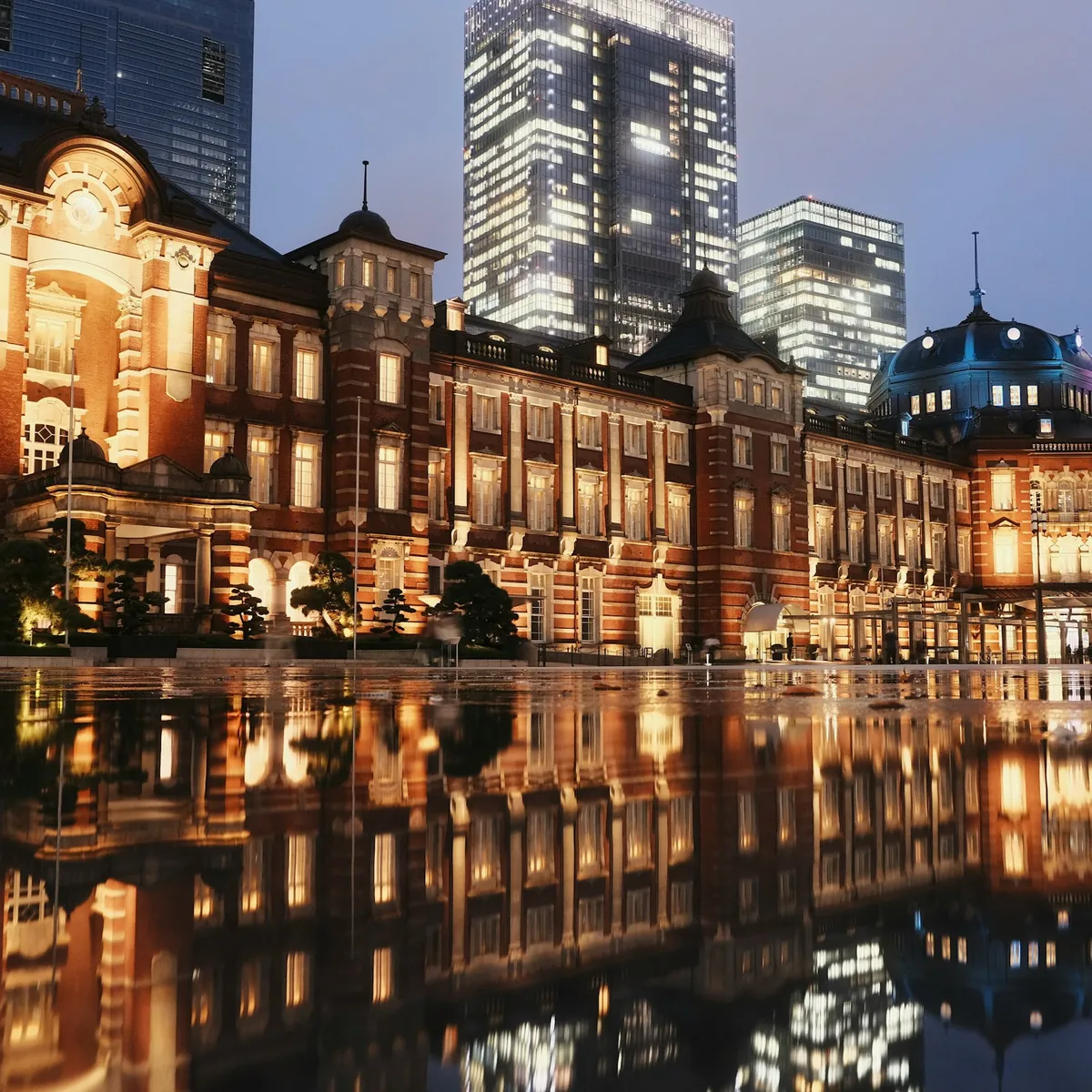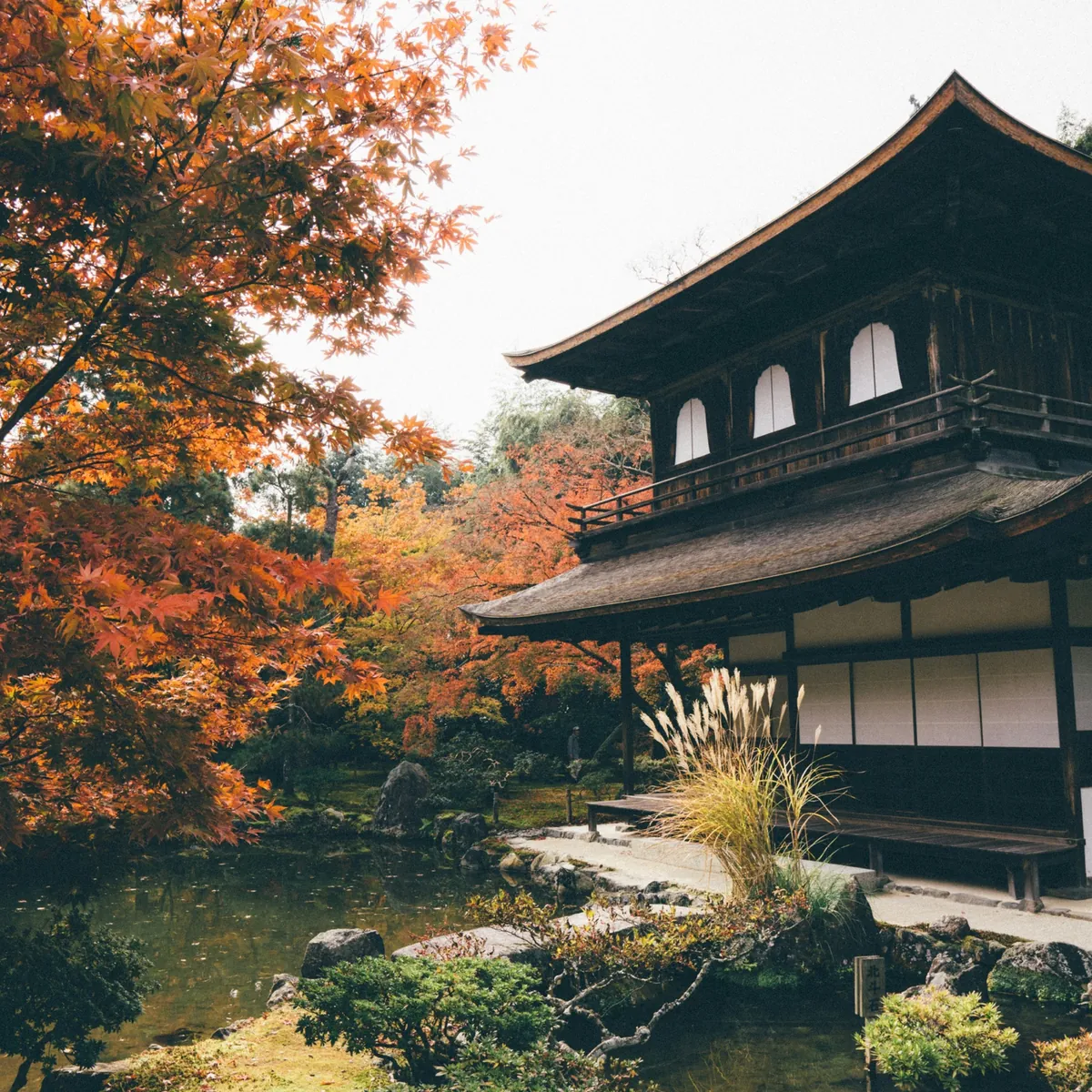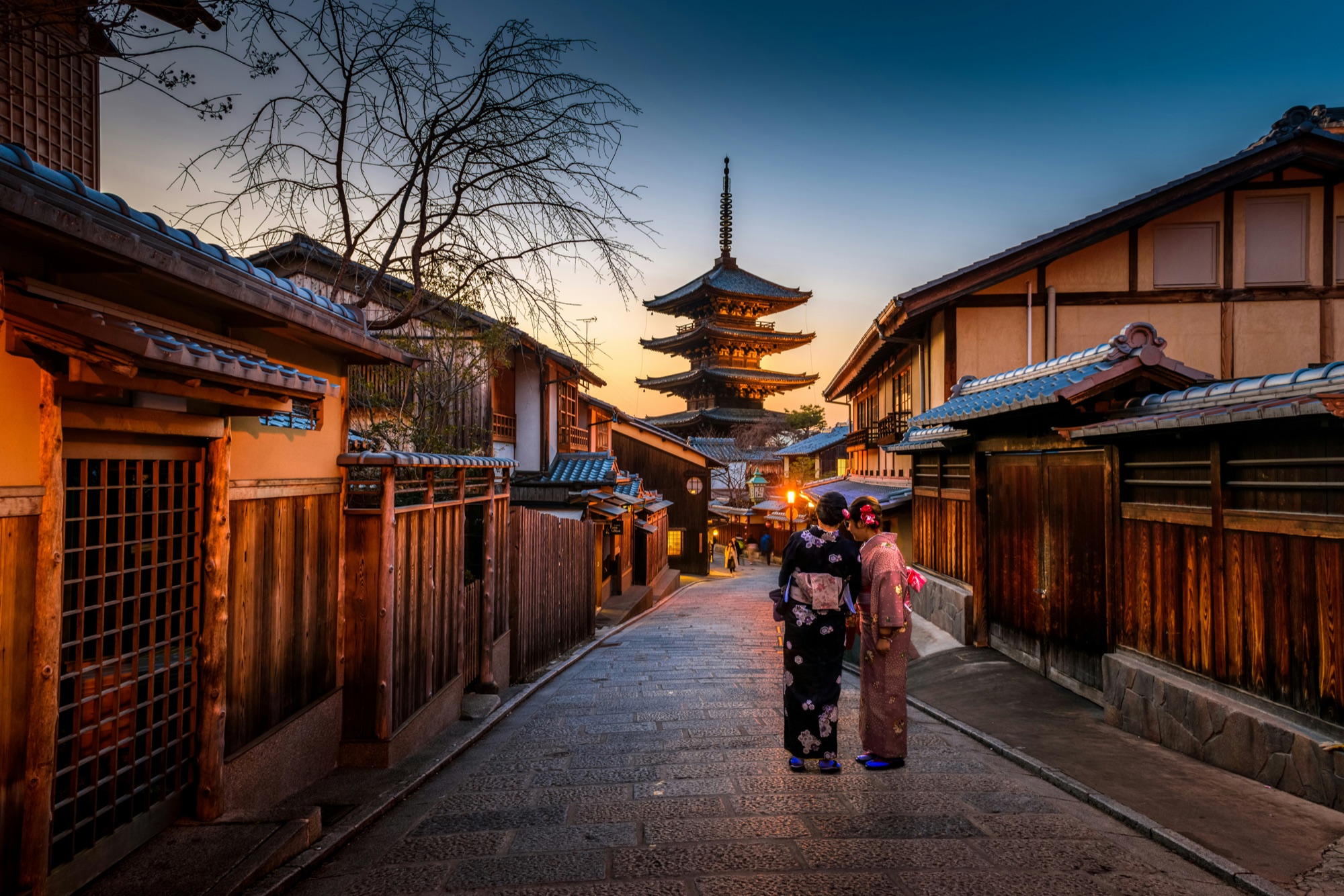

The best area to stay in Kyoto depends on what you want your mornings to look like. Higashiyama and Gion put you inside the historic east, steps from temples that are transcendent at 7 a.m. and overrun by ten. Downtown Kyoto, around Kawaramachi and Pontocho, is the most walkable and best connected. Arashiyama and the northern hills are the quietest. The Kyoto Station area is the most practical, and the least atmospheric.
Kyoto is not a large city, and nowhere in it is far from anywhere else. But it is a city where the address you choose changes the trip more than in almost any other destination in Japan, because Kyoto's finest hours are early and late, and only the people staying nearby get them.
At Hitotoki, we are a Japan-based team of luxury travel designers who have built more than 1,000 tailor-made journeys, nearly all of them passing through Kyoto. This is the guidance we give our own clients: how the neighborhoods actually differ, what a ryokan gives you that a hotel cannot, and how far ahead the good rooms go.
Where to stay in Kyoto: quick answer
- First trip, atmosphere first: Higashiyama or Gion
- Walkability, food, and convenience: downtown (Kawaramachi, Pontocho, Nakagyo)
- Quiet, nature, and space: Arashiyama or northern Kyoto
- Short stay or heavy rail travel: Kyoto Station area
- Ideal length: 4 nights
- Typical luxury rate: $600–1,500 per person per night at a top ryokan, dinner and breakfast included
- Book: 9–12 months ahead for sakura and koyo, 6 months otherwise
The Best Areas to Stay in Kyoto, Compared
| Area | Best for | Trade-off |
|---|---|---|
| Higashiyama | First trips, temples on foot, early mornings | Quiet at night, few restaurants late |
| Gion | Atmosphere, geisha districts, evening walks | Busy by day, small properties |
| Downtown / Kawaramachi | Walkability, dining, shopping, transport | Modern city streets, less scenic |
| Arashiyama | Nature, riverside calm, a slower pace | 25–35 minutes from central Kyoto |
| Northern Kyoto | Seclusion, gardens, design-led hotels | You will rely on your driver or taxis |
| Kyoto Station | Short stays, luggage, onward shinkansen | No sense of Kyoto whatsoever |
Higashiyama — the Best Area for a First Trip
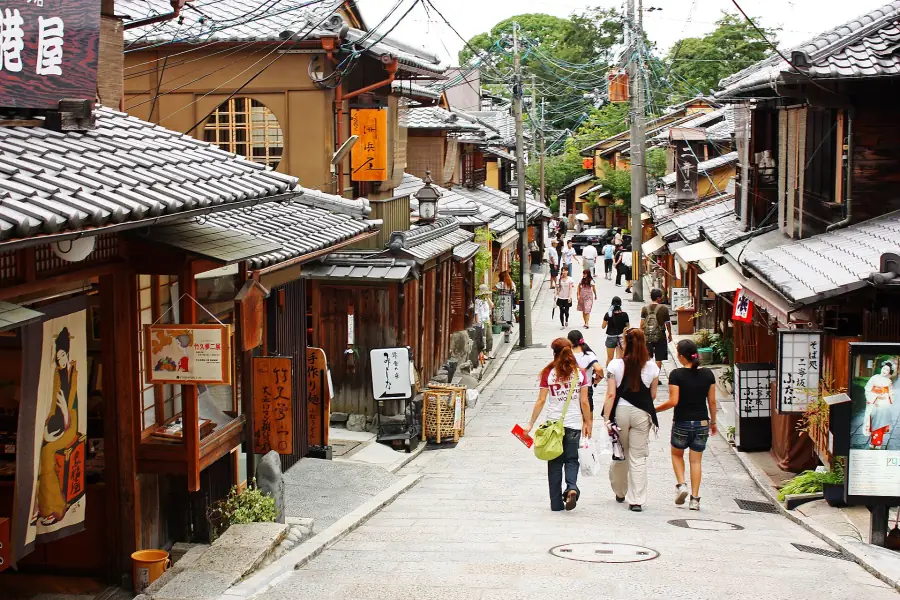
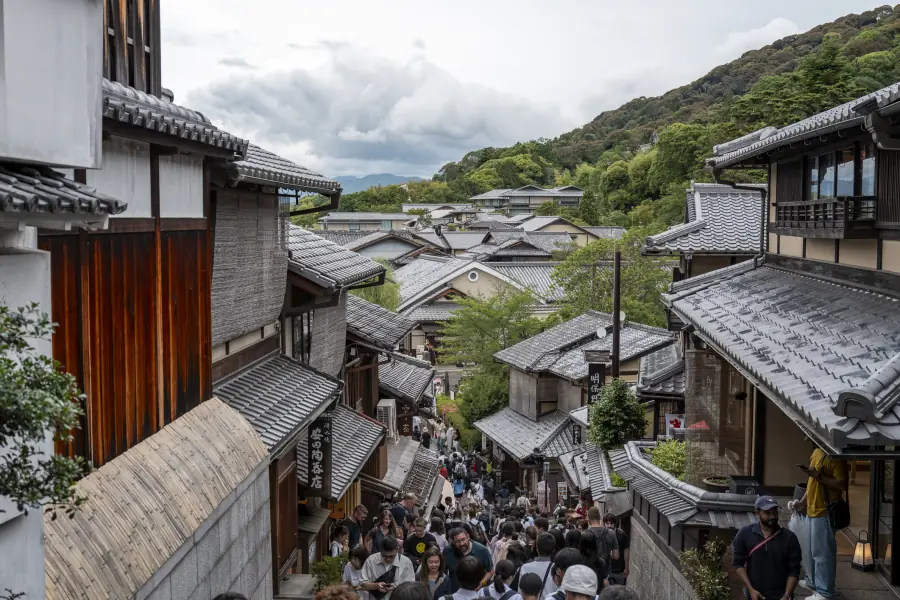
Higashiyama is the strip of temple districts running along the eastern hills, and it is where we place most first-time travelers. Kiyomizu-dera, Kodai-ji, Chion-in, Nanzen-ji, and the Philosopher's Path are all in walking range of each other, and the lanes between them (Ninenzaka, Sannenzaka, the slope up to the Yasaka Pagoda) are the Kyoto that people picture before they arrive.
The reason to sleep here is time of day. These streets carry an enormous volume of visitors between 10 a.m. and 5 p.m., and are almost empty outside those hours. If you are staying in Higashiyama, you walk out at six in the morning into a district that belongs to you and a few temple sweepers. If you are staying anywhere else, you arrive when everyone else does.
The area's leading addresses reflect that. Park Hyatt Kyoto sits directly below the Yasaka Pagoda, with rooms looking onto it. Four Seasons Kyoto is built around Shakusui-en, an 800-year-old pond garden, a short walk from Sanjusangen-do. Both are full-service hotels with the spa and dining infrastructure that a ryokan does not offer, in a location a ryokan usually cannot match.
The trade-off is evenings: Higashiyama is residential and temple-owned, and it goes quiet early. Plan to walk or ride ten minutes west for dinner.
Gion — Atmosphere at Close Range
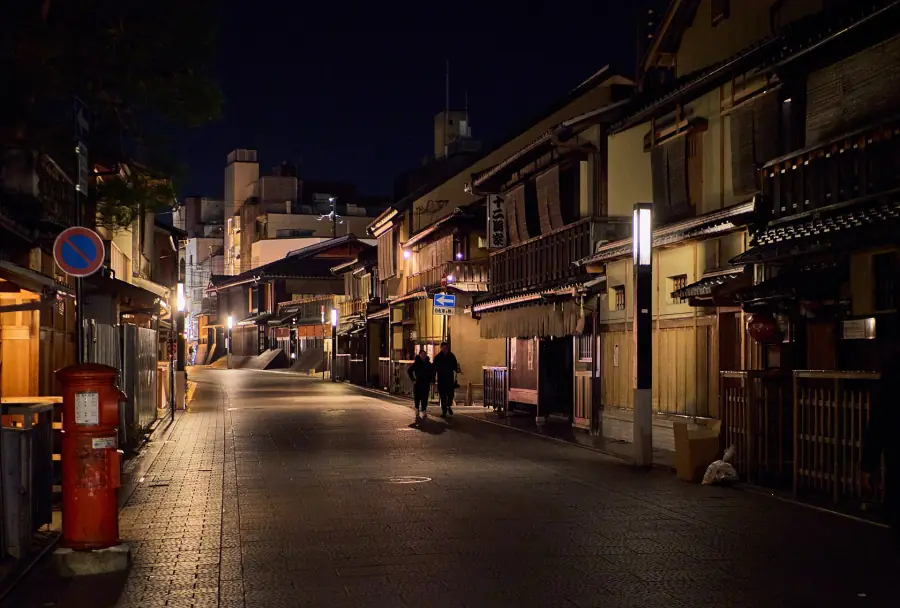
Gion is Kyoto's geisha district, and it is smaller and more residential than its reputation suggests. Staying here means machiya townhouses, wooden facades, the Shirakawa canal, and the particular quality of a Kyoto evening when the lanterns come on and the day visitors have gone back to their hotels.
Properties here are small by design. Sowaka occupies a century-old machiya and a former ryotei near Yasaka Shrine, with just over twenty rooms. The Shinmonzen, designed by Tadao Ando on the Shinmonzen antique-dealers' street, has nine suites. Neither is a resort; both are a way of living in the district rather than visiting it.
Two honest cautions. First, Gion's main street is genuinely crowded during the day, and the private lanes around it are private: Kyoto has posted rules and fines about photographing maiko, and they exist for good reason. Second, small properties mean small inventory: Gion is the first area to sell out for spring and autumn.
Downtown Kyoto — the Most Practical Base
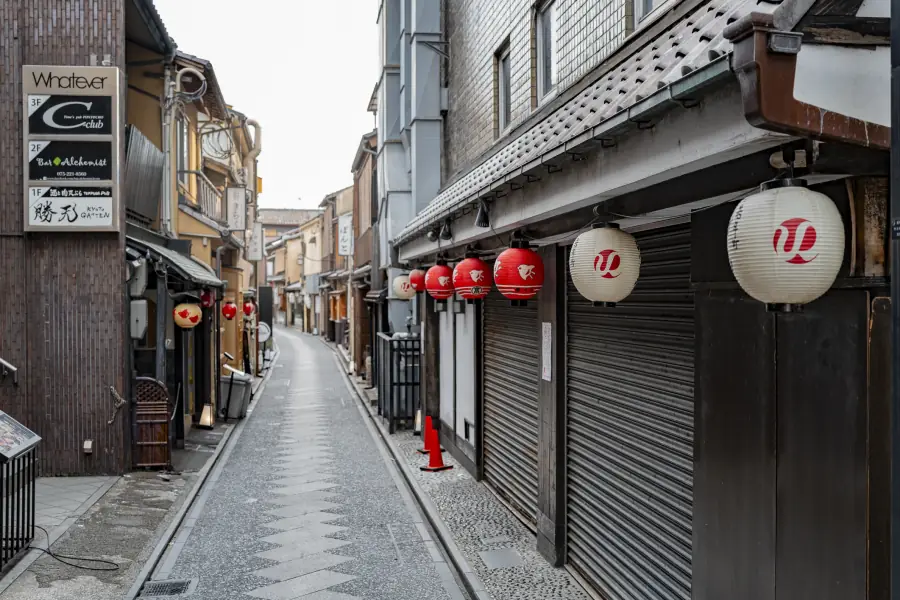
Downtown covers Nakagyo and the Kawaramachi–Kiyamachi–Pontocho grid along the Kamo River. It is where Kyoto actually eats, drinks, and shops, and it is the easiest place to be without a plan: subway and bus lines converge, Nishiki Market is a walk away, and you can cross to Gion on foot in ten minutes.
This is also the historic home of Kyoto's great ryokans. Tawaraya, in business for some three centuries, and Hiiragiya, directly opposite it, are two of the most refined places to sleep in Japan: eighteen and twenty-odd rooms respectively, no lobby to speak of, and a standard of service that is quiet to the point of invisibility.
On the hotel side, The Ritz-Carlton Kyoto faces the Kamo River with the eastern hills behind it, and Hotel The Mitsui Kyoto sits opposite Nijo Castle on land the Mitsui family held for three centuries, with a natural hot spring under the property, rare in the city itself.
What downtown gives up is scenery. You are on ordinary urban streets, and the machiya-lined Kyoto you came for starts a few blocks away.
Arashiyama — Riverside Quiet in the West
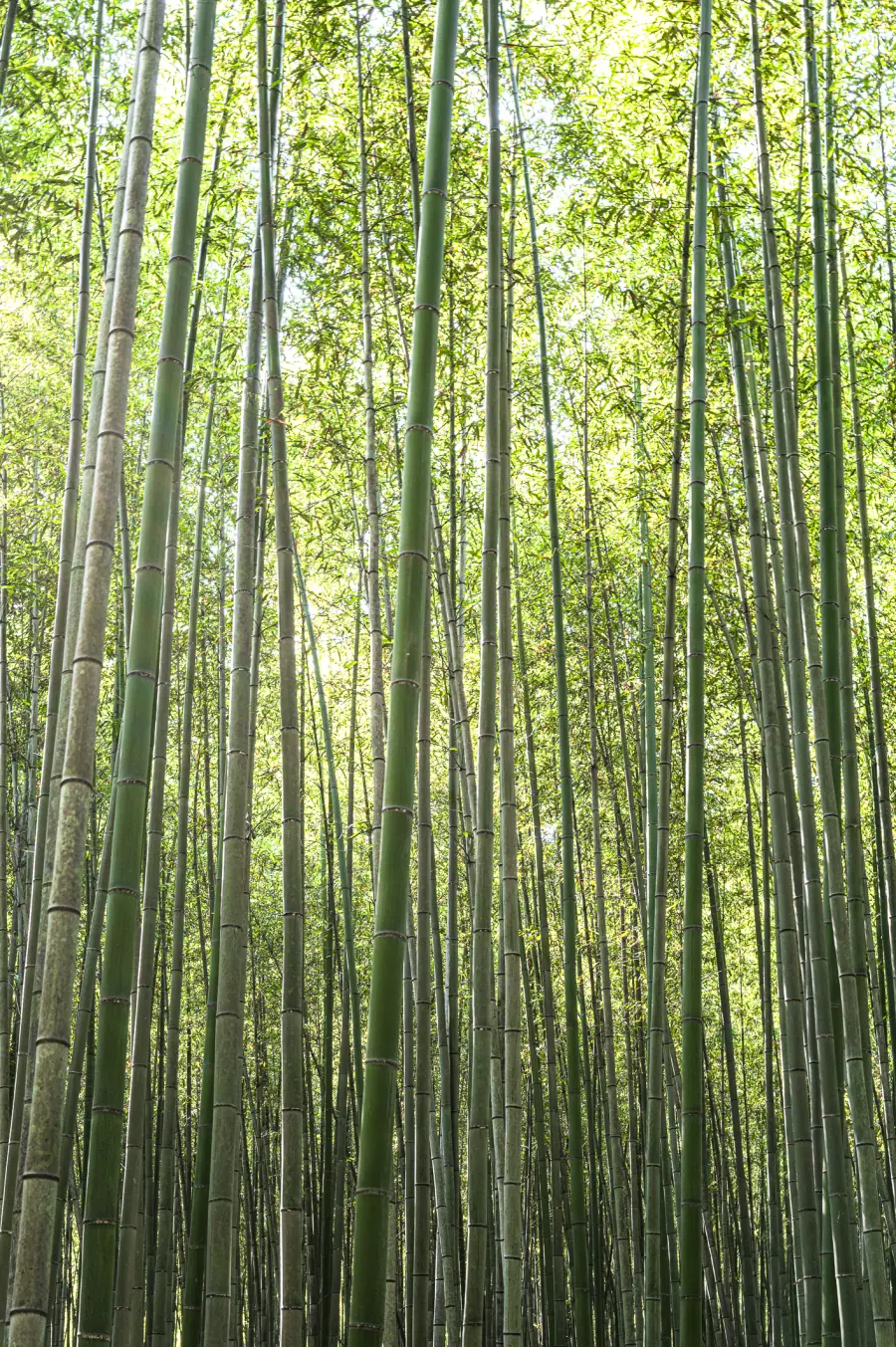
Arashiyama, at the western edge of the city, is where the bamboo grove, the Oi River, and Tenryu-ji are. It receives a huge daily influx and empties completely by evening, so the case for staying is exactly the same as in Higashiyama, only stronger: guests here have the bamboo path at dawn, and it is a different place without a thousand people in it.
Hoshinoya Kyoto is the emblematic stay, a riverside property reached by private boat upstream from the Togetsukyo bridge, with no road arrival at all. Suiran, a Luxury Collection Hotel sits on the same riverbank, closer to the temples, with several rooms that have private open-air baths.
Budget 25 to 35 minutes to central Kyoto, which is fine for a two-night chapter and tiring as a four-night base. Arashiyama works best as a second address rather than your only one.
Northern Kyoto — Seclusion and Gardens
North of the city, in Takagamine and the hills behind Kinkaku-ji, Kyoto turns into forest. Aman Kyoto occupies a secret moss garden that a textile collector spent decades assembling, and Roku Kyoto, LXR sits nearby with a hot spring and views over Mount Takagamine.
This is the choice for travelers who want the city as an excursion rather than a doorstep: repeat visitors, honeymooners, and anyone whose priority is space and silence. You will be twenty to thirty minutes from the temple districts and dependent on your driver, which in a well-designed itinerary is not a constraint at all.
Northern Kyoto is also the answer for guests who find the eastern districts too busy in April and November. It is the same city, one valley removed.
The Kyoto Station Area — Practical, Not Poetic
Around the station, The Thousand Kyoto and Hotel Granvia Kyoto are calm, well-run, and unbeatable for logistics: shinkansen platforms downstairs, the airport train, taxi ranks, and easy luggage handling.
We recommend this area in two situations: a single night at the start or end of a trip built around rail, or travelers with mobility considerations who want everything level and close. Otherwise, staying by the station means commuting into the city you came to see, which is a poor trade for the sake of ten minutes.
Ryokan, Machiya, or Luxury Hotel?
Area is half the decision. The other half is what kind of roof you want over it, and the three options are genuinely different products.
The ryokan
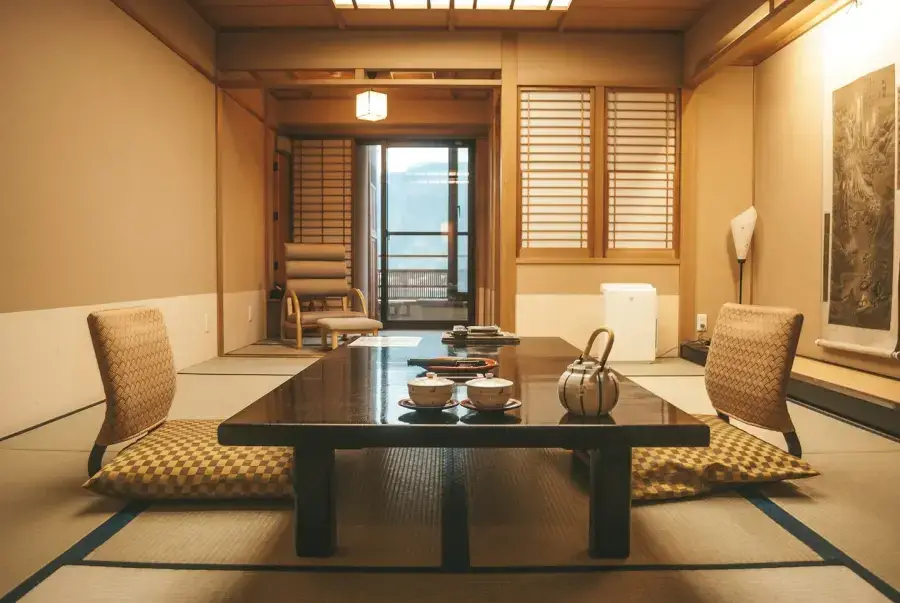
A traditional ryokan is not accommodation with Japanese decor; it is a form of hospitality. Tatami rooms and futons laid out while you bathe, a kaiseki dinner served in your room course by course, breakfast at a set hour, and one attendant who handles everything. Kyoto's finest run $600 to $1,500 per person per night, dinner and breakfast included; the rate looks steep next to a hotel until you notice it covers two meals and a level of attention that has no hotel equivalent.
Ryokans reward one or two nights more than five. The rhythm is fixed, the meals are on a schedule, and the point of the experience is its discipline. Our full ryokan guide covers what separates a great one from a merely expensive one, and the booking mistakes we see most often.
The machiya
Machiya are Kyoto's wooden merchant townhouses: narrow street frontage, a long body, an interior courtyard garden. Restored as private stays, they are the closest thing to living in the old city: a whole house, with a kitchen and a bath looking onto the courtyard, often with a housekeeper and a concierge line rather than a front desk.
They suit families, small groups, and repeat visitors particularly well. What they do not have is a hotel's infrastructure: no spa, no room service, and in the older stock, steep stairs and compact bathrooms.
The luxury hotel
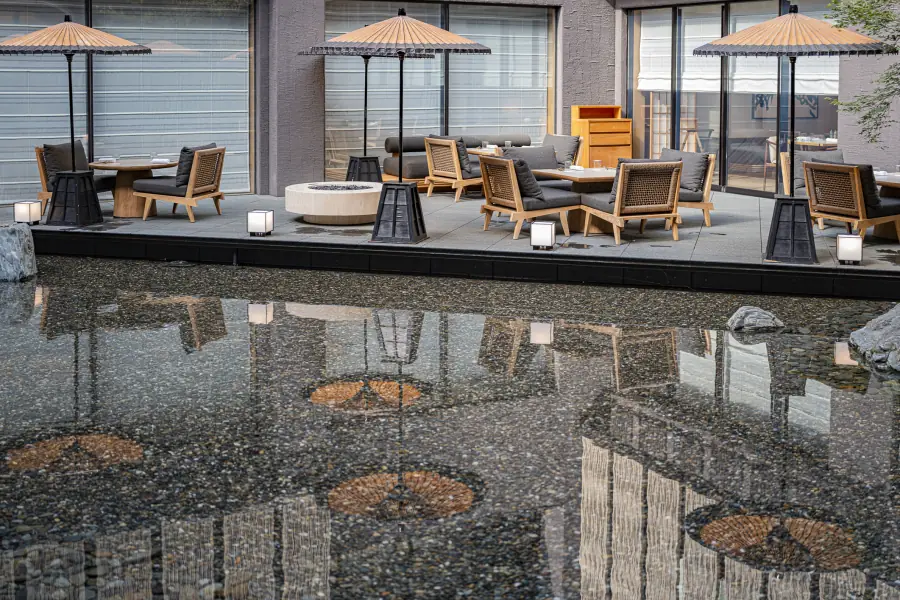
A hotel gives you beds rather than futons, meals whenever you feel like them, a spa after a long day of temples and stone steps, and a concierge desk. In Kyoto, the leading hotels also hold the best land in the city, which is not a small thing.
In our own itineraries, Kyoto is a hotel city — strongly so. The days here are full and irregular, and a hotel absorbs that where a ryokan's fixed rhythm resists it. The ryokan experience belongs where it is at its best, typically a night or two in Hakone earlier in the route, so the Kyoto address can be chosen for location and practicality alone.
How Many Nights in Kyoto?
Four. Two for the eastern and central temple districts at an unhurried pace, one for Arashiyama or the northern hills, and one for either a day trip to Nara or a deliberately slow day: a garden in the morning, a workshop in the afternoon, nothing after five.
Three nights is workable and is what most itineraries allow. Five or six is what repeat visitors choose, and it is the length at which Kyoto stops being a list of temples and turns into a city. Fewer than three and you are seeing the famous sites at their worst hours, which is a strange way to spend the money.
For how Kyoto fits into a full route through Japan, our itinerary guide for first-time visitors lays out the standard structure, and the Kyoto destination page covers what we actually do with the days.
Should You Stay in Kyoto or Osaka?
Stay in Kyoto. The question comes up because Osaka has more hotel inventory and often lower rates, and the two cities are under half an hour apart by train, so on paper it looks efficient.
In practice it removes the entire reason to be in Kyoto. Everything good about the city happens before nine in the morning and after five in the afternoon, and a commuting base guarantees you are there only in the middle. Osaka deserves a night or two of its own, for its food and its very different energy. It is a poor substitute for a Kyoto address.
When to Book
Kyoto is the most requested city in Japan, and its best properties are small: a ryokan with eighteen rooms cannot absorb a busy season, and it does not try to.
- Cherry blossom and autumn foliage: 9–12 months ahead. Early April and the second half of November are the two windows where the city genuinely sells out at the top end.
- Any other season: 6 months is comfortable, and gives you a real choice of rooms rather than what is left.
- Restaurant counters: the most sought-after are reserved 3–6 months out, so it is worth knowing your dates before you fall in love with a table.
Our booking timeline guide goes season by season, and the month-by-month guide to visiting Japan is the right place to start if your dates are still open. On budget, Kyoto sits at the upper end of Japan's range; our cost breakdown explains what drives the daily figure.
Three Mistakes We See in Kyoto
- Choosing the hotel before the neighborhood. In Kyoto the address decides your mornings. Pick the district first, then the best property in it.
- Booking a ryokan for four nights. The fixed meal times and set rhythm that make one night extraordinary make four nights confining. Keep the ryokan chapter short, and ideally in Hakone, not here.
- Booking spring or autumn late. By six months out, the good rooms in the good districts are gone, and what remains is a compromise on both counts.
Frequently Asked Questions
What is the best area to stay in Kyoto?
Higashiyama and Gion for a first trip: you are inside the historic east and can reach the major temples on foot at dawn. Downtown Kawaramachi is the most convenient, Arashiyama and northern Kyoto the quietest, and the Kyoto Station area the most practical for short stays.
Should I stay in a ryokan or a hotel?
In Kyoto, a hotel — strongly. It gives you flexibility, a spa, and a concierge in a city of full days. The ryokan experience is better placed where it is at its best, typically a night or two in Hakone earlier in the route.
How many nights should I spend in Kyoto?
Four is the right number for a first visit. Three works, five or six is what repeat visitors choose.
How much does a luxury stay in Kyoto cost?
Top ryokans run $600–1,500 per person per night with dinner and breakfast included; the leading hotels land in a similar range per room, with sakura and koyo weeks at the top of it.
How far ahead should I book?
Nine to twelve months for cherry blossom season and autumn foliage; six months for the rest of the year.
Is it better to stay in Kyoto or Osaka?
Kyoto. Osaka is 30 minutes away and worth visiting, but staying there costs you Kyoto's early mornings and evenings, which is most of what makes the city.
Choosing Your Kyoto Address
There is no single best place to stay in Kyoto, but there is a best place for the trip you have in mind, and the choice is worth more thought than it usually gets, because it quietly determines what hours of the day you will experience the city in.
If you would like that decided by people who live here and know which rooms in which properties are worth the money in which season, tell us about your trip and we will build it around the right address.
Hitotoki Travel is a luxury travel agency based in Japan, specializing in bespoke, tailor-made journeys for discerning travelers. Every itinerary is personally designed to create an unforgettable Japan experience.