
A private guide changes three things on a trip to Japan: what you are allowed to see, when you see it, and how much of it you understand. None of that is about convenience. Japan is one of the easiest countries in the world to navigate alone, with clear signage, reliable trains, and a culture that goes out of its way to help a lost visitor. A guide is not there to solve a problem independent travelers have. It solves a different one: the gap between visiting a place and actually reading it.
We say this as a Japan-based agency that books private guides for most of its clients, which means we have also watched what happens when a day runs without one. The difference is not dramatic from the outside. It shows up in small things: a sub-temple garden that most visitors walk straight past, a 7 a.m. start that outruns the first tour bus, a half-sentence of explanation that turns a garden from pretty into legible.
At Hitotoki, we are a Japan-based team of luxury travel designers who have built more than 1,000 tailor-made journeys. This is the honest version of what a private guide changes, where it matters most, and where, just as honestly, it does not.
Private guides in Japan — quick answer
- What changes: access, timing, and context, not logistics, which Japan handles well on its own
- Where it matters most: Kyoto and Nara's temples, the first full day in Japan, and any workshop or craft visit
- Where it matters least: trains, hotels, and shopping, which need no interpreter
- Typical cost: $600–1,000 per day for an experienced private guide
- Typical use: most clients book a guide for 4–7 key days of a 10–14 day trip, not the whole itinerary
- Book: the best English-speaking guides work alone and keep their own calendars. 6 months ahead is comfortable, 9–12 months for cherry blossom or autumn foliage weeks
What a Private Guide Actually Changes
It helps to separate what a guide changes from what a guide has nothing to do with. Japan's trains run on time without one. Hotel staff in every city we work in speak enough English to check you in and answer a simple question at the front desk. A guide adds nothing to either of those. What it adds sits in a narrower, more specific band.
| Without a guide | With a guide |
|---|---|
| You see what the main signs point to | You also see what most visitors walk past: a quieter sub-temple next door, a side garden, a workshop that welcomes people it knows |
| You arrive when opening hours say to | You arrive when the light and the crowds say to, usually in the first hour after opening |
| A building is explained by a plaque, if at all | A building is explained by someone who can answer the question the plaque does not anticipate |
| A missed train or a closed gate is your problem to solve | It is solved before you notice it was a problem |
| You move at the pace of the itinerary | The itinerary moves at the pace of your actual interest that day |
Access: The Doors Most Visitors Miss
The most concrete change a private guide makes is access, and it is also the easiest to overstate. A guide has no key to closed rooms, and no amount of local standing overrides a temple's own rules. What a guide does is know which doors exist in the first place, which is most of the battle. Many temple complexes in Kyoto have a crowded main hall and, a hundred meters away, a quieter sub-temple with its own garden, open to anyone but missed by almost everyone who follows the main signs.
The same logic applies to craft. A ceramics workshop, a sword polisher, a family-run indigo dyer: these are working spaces, not attractions, and the owner's willingness to let a stranger watch depends largely on who is doing the asking and what relationship stands behind the request. A guide who has brought other visitors there before, respectfully and on time, is often the difference between watching through a window and being invited in.
Pace: Seeing Kyoto and Nara Before the Crowds Arrive
Kyoto's most photographed sites carry an enormous volume of day visitors, and that volume follows a schedule: thin before 8 a.m., dense from mid-morning, thinning again after 4 p.m. A private guide's real value here is not getting you past the crowd. It is building the day around a schedule the crowd does not know about, and being awake and ready to use it.
In Nara, this matters even more than in Kyoto, because the deer park and the temples around it are at their most atmospheric in the first hour after opening, before the buses arrive from Osaka. A guide who has done this many times does not need to think about it: the car is booked for the early slot, and the day starts while the city is still quiet. Left to a hotel's standard breakfast hours, most independent travelers arrive precisely when everyone else does.
Context: From Sightseeing to Understanding
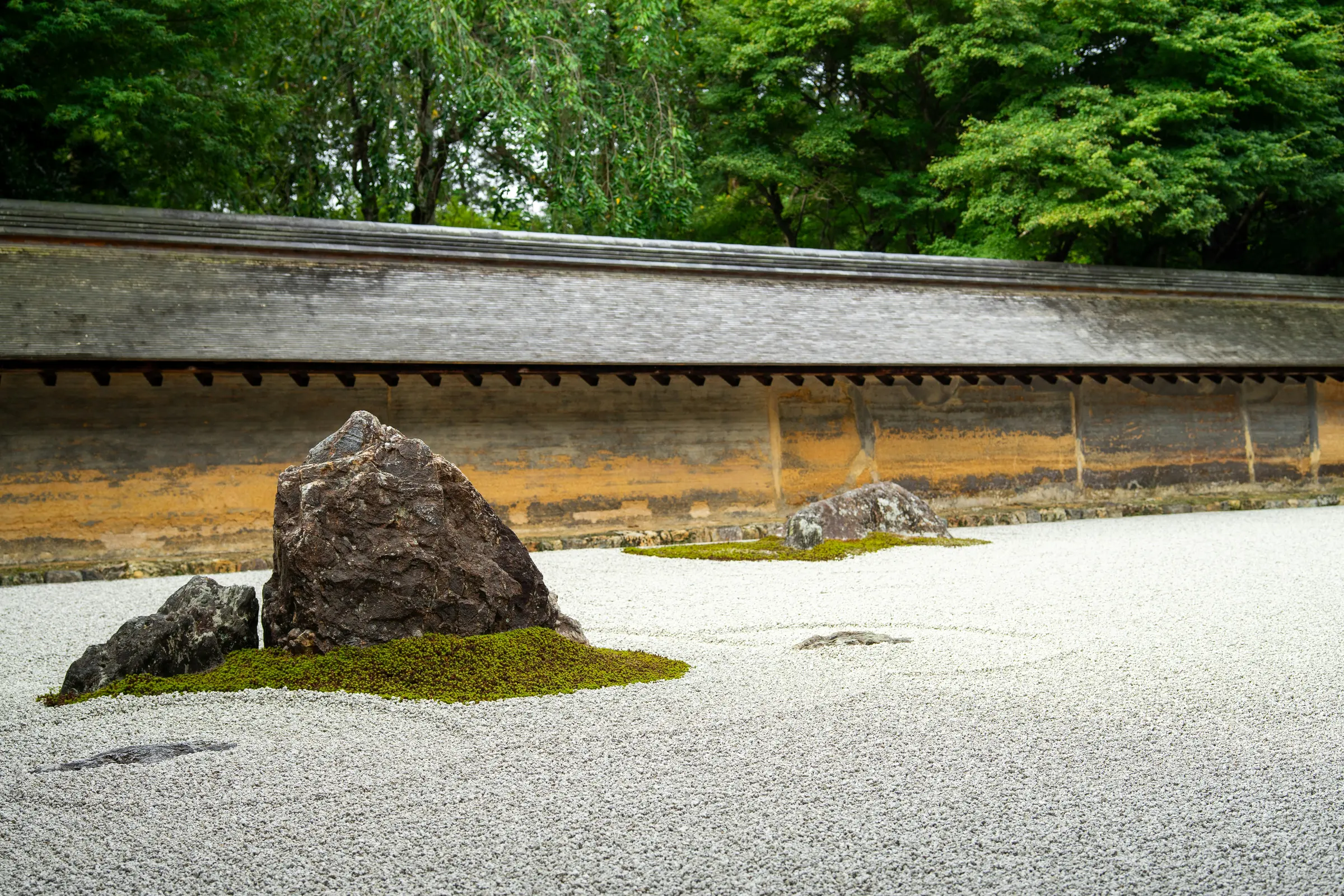
This is the change that is hardest to put a price on and, in our experience, the one clients remember longest. A rock garden is a rock garden until someone explains what the arrangement is doing, why the gravel is raked the way it is, and what the empty space is meant to hold. A shrine gate stops being a photo backdrop once you know what it marks the boundary of. None of this is available on a plaque, and very little of it survives translation into a guidebook paragraph read on a phone at the entrance.
A good guide also answers the question you did not know to ask. That is the real test of one, more than fluency or a long resume: can they read what you are curious about in the moment and follow it, rather than deliver the same script regardless of who is standing in front of them.
Language: What Changes, What Doesn't
It is worth saying plainly: you do not need a guide to get around Japan. Train stations have English signage, ticket machines have an English toggle, and convenience stores, taxis, and most hotel staff manage basic English without strain. Independent, English-only travel through Tokyo and Kyoto is entirely realistic, and plenty of our own clients do parts of their trip that way, deliberately, for the freedom of it.
Where language becomes the actual constraint is in conversation that goes beyond a transaction: asking a shop owner about the history of a technique, asking a priest a genuine question about a ritual, or simply wanting to talk to someone rather than past them. A guide does not just translate words here. They translate register, which is a different and harder thing, and it is the part a translation app cannot reach.
Where a Private Guide Matters Most
Not every day of a trip benefits equally from a guide, and we do not book one for every day of a client's itinerary. A few places and moments earn it more than others.
The First Full Day
Whichever city opens the trip, usually Tokyo, benefits most from a guide on the first full day, when jet lag is still at work and the orientation cost of a new transit system is highest. A guide absorbs that friction entirely: no studying a subway map half-awake, no second-guessing a platform. After a day or two, most of our clients are comfortable enough to go it alone for stretches of the day.
Kyoto and Nara's Temples
This is where the access and the context both peak at once. The density of historically significant sites per city block in Kyoto is unmatched anywhere else in Japan, and a guide who can sequence them around the crowd schedule, and explain what each one is actually showing you, earns their fee here more than anywhere else in a typical itinerary. Our guide to where to stay in Kyoto covers the neighborhood side of the same logic: location and guiding both exist to put you in the right place at the right hour.
Workshops and the Countryside
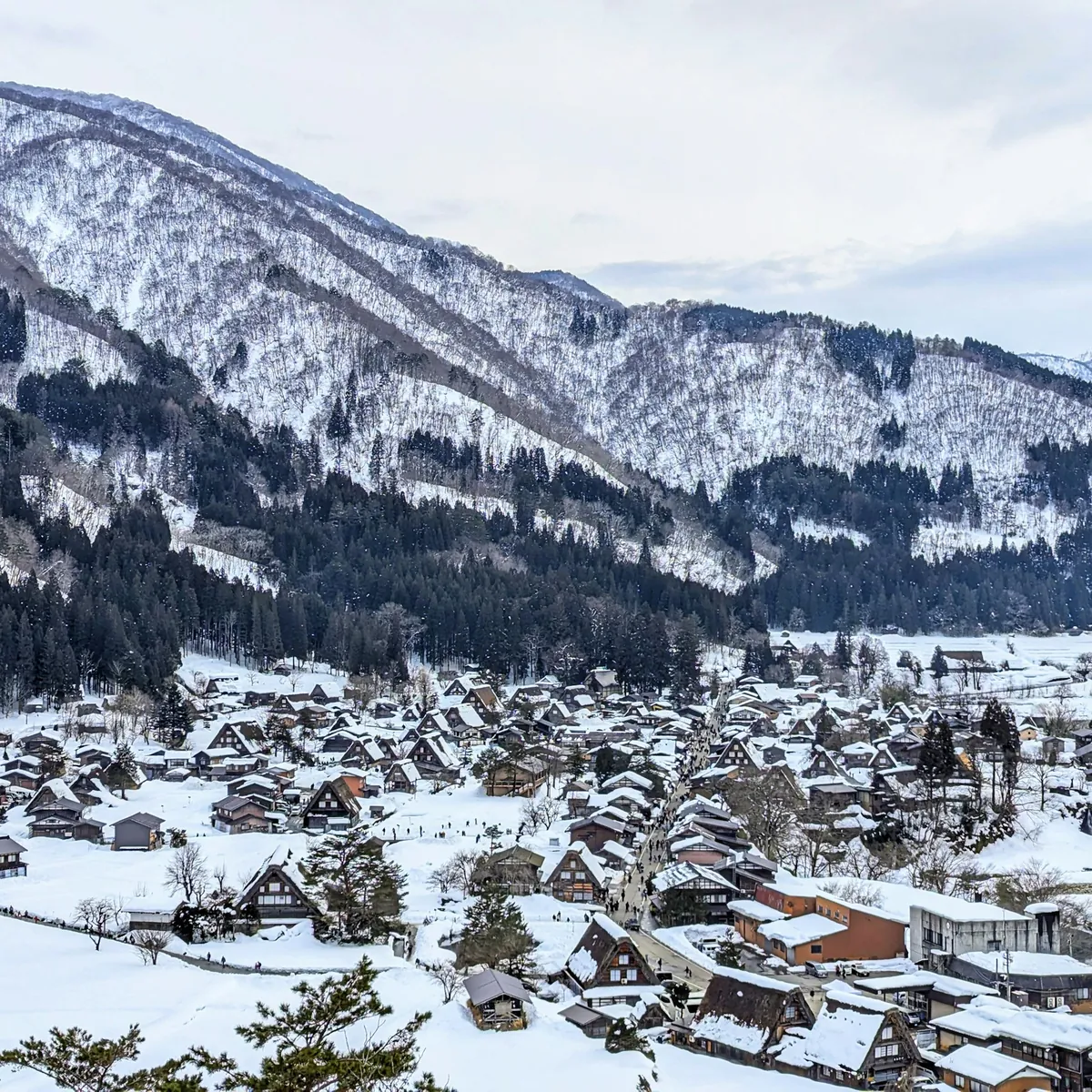
Outside the major cities, in towns like Takayama or wherever a client's itinerary includes a craft visit, a guide's role shifts from historical context to logistics and introduction: fewer people speak English, public transport thins out, and the workshop door that opens for a known guide may simply stay closed to a stranger who arrives unannounced.
Guide, Car, or Neither: How We Decide
We do not default every client to a full-time guide, because it is not always the right tool. The decision runs on a few simple questions: how dense is the day in sites that need explaining, how comfortable is this traveler with ambiguity and a foreign transit system, and does the day already involve a private car, in which case the guide simply rides along with you and the chauffeur.
A day in Hakone or on the mountain routes usually runs by private car with a chauffeur, since that is the right way to move through that terrain, and the guide travels in it with you. A city day built around trains and walking needs no car at all: the guide moves as nimbly as you do. Our itinerary guide for first-time visitors lays out how we typically sequence a route, and guiding days are planned into it from the start, not added as an afterthought once the hotels are booked.
What a Private Guide Costs in Japan
Private guides in Japan typically run $600 to $1,000 per day, depending on the guide's experience, language, and specialization. A generalist guide for a city day sits at the lower end of that range; a specialist, someone with deep expertise in textiles, Buddhist art, or a particular region, sits at the top of it, and is worth the difference for a client whose interest genuinely runs that deep.
Most of our clients do not book a guide for every day of a 10 to 14 day trip. A typical pattern is 4 to 7 guided days out of the total, concentrated in the first full day, the temple-dense days in Kyoto and Nara, and any dedicated craft or countryside excursion, with the remaining days left open for independent exploring, shopping, or simply resting. Our month-by-month guide to visiting Japan and our guide to a luxury Japan itinerary both assume this mixed pattern rather than a guide attached to every hour.
How Many Days of Guiding to Book
There is no fixed formula, but the questions that decide it are consistent across clients. First, how many sites in the itinerary genuinely reward explanation, as opposed to simply being beautiful to walk through. Second, how much the traveler wants to talk to people along the way, rather than observe. Third, whether any part of the trip touches a workshop, a ceremony, or a specialist visit that requires an introduction rather than a ticket.
Answer those honestly and the number of days tends to fall out on its own: light for a traveler who wants mostly independence with a few anchor days, heavier for a first trip built around cultural depth. We work this out with every client individually as part of building a tailor-made route, rather than quoting a standard guiding package that fits no one's actual interest in particular.
Mistakes We See
- Booking a guide for every single day. It is an expensive way to add fatigue. The days that do not need one are usually obvious once you ask what there is to explain.
- Booking no guide at all for your first day in Kyoto. This is the one place where the cost of going without shows up fastest, in crowds you could have beaten and context you missed entirely.
- Treating a driver and a guide as interchangeable. A driver gets you there. A guide explains what you are looking at once you arrive. The best days in the countryside have both: a chauffeur at the wheel and a guide beside you.
Frequently Asked Questions
Do I need a private guide for a trip to Japan?
No, not for the whole trip. Japan is easy to navigate independently, with clear English signage on trains and in most hotels. A guide adds the most where access, timing, or context matter, which is a smaller part of most itineraries than people expect, concentrated mainly in temple-dense days and the first full day of the trip.
How much does a private guide cost in Japan?
Private guides typically run $600 to $1,000 per day, depending on experience, language, and specialization. A generalist city guide sits at the lower end; a specialist in a specific craft or period of history sits at the top.
Can I get around Japan without speaking Japanese?
Yes. Train stations, ticket machines, taxis, and most hotel staff manage English well enough for independent travel. A guide earns their place in deeper conversation: asking a craftsperson or a priest a real question, which no phrasebook covers.
Where does a private guide matter most in Japan?
Kyoto and Nara's temples, where crowd timing and historical context both peak, and the first full day of the trip, when jet lag makes every logistical decision harder than it needs to be. Craft workshops and countryside visits also benefit, since a guide's introduction can open a door that a stranger arriving alone would find closed.
How many days of private guiding should I book?
Most of our clients book 4 to 7 guided days within a 10 to 14 day trip, concentrated where sites reward explanation and left open elsewhere for independent time. There is no fixed ratio: it depends on how much of the trip touches dense historical sites versus open exploring.
Do I need a private car as well as a guide?
Only on some days. In the cities, a guide works best on foot and by train, with no car at all. In Hakone or the mountain regions, a private car with a chauffeur is the practical way to travel anyway, and the guide rides along with you. The chauffeur drives, the guide explains: they are two different people.
Planning Your Guided Days
A private guide is not a luxury add-on in the way a suite upgrade is. It is a tool for three specific things (access, timing, and understanding), worth its cost exactly where those matter and not a day more. Getting that balance right is less about the guide and more about the itinerary built around them.
If you would like that balance worked out by a team that books guides for a living and knows which days in your own trip actually need one, tell us about your trip and we will build the guiding into the route from the start.
Hitotoki Travel is a luxury travel agency based in Japan, specializing in bespoke, tailor-made journeys for discerning travelers. Every itinerary is personally designed to create an unforgettable Japan experience.