
Japan etiquette is not a tourist quiz. It is the grammar of omotenashi: how a ryokan room is prepared, how a kaiseki course is timed, how a private guide holds a temple introduction. First-time luxury visitors who understand a few rules (never tipping, shoes off at the genkan, chopsticks never upright in rice, tattoos covered or a private onsen reserved) move through Japan with composure rather than apology. If you are planning a first luxury visit, start with how a Hitotoki journey is priced. Our Japan-based designers brief every client on these customs before arrival, so the days themselves can stay unhurried.
In this guide, our Japan-based travel experts at Hitotoki share the essential etiquette, practical travel tips, and cultural insights that matter most when visiting Japan for the first time.
Japan Etiquette: Quick Rules for Visitors
- No need to tip every time
- Remove your shoes when entering homes, temples, and many ryokans.
- Never place chopsticks upright in rice.
- Keep a quiet voice in trains and public spaces.
- Cover tattoos when visiting traditional onsen.
- Be punctual: arriving early is considered polite.
Tipping in Japan
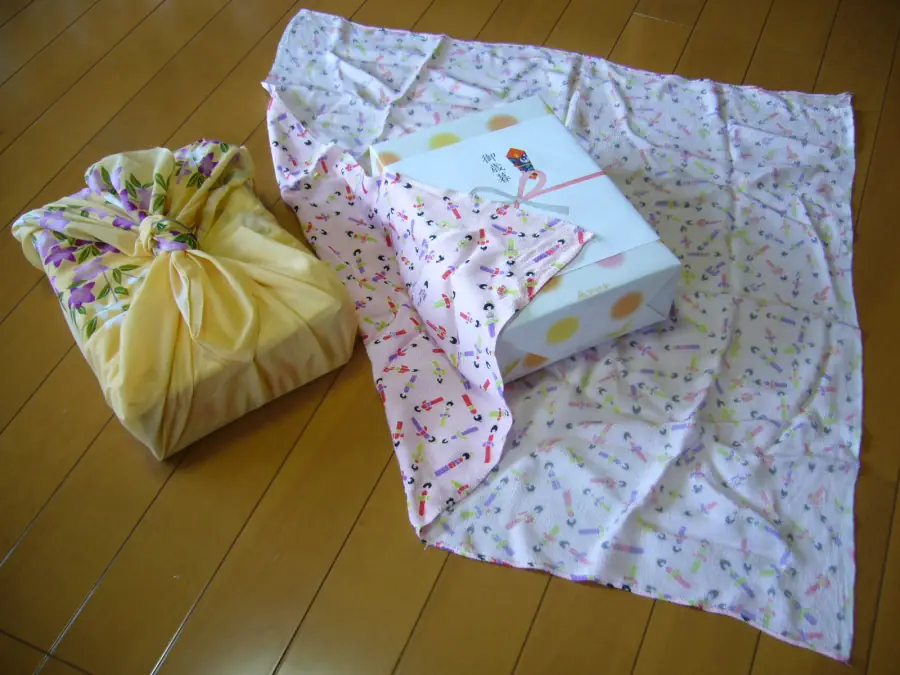
Japanese hospitality (omotenashi) is rooted in something far more profound than transaction. Your server, ryokan attendant, or taxi driver is giving their best because it is a matter of professional and personal pride, not because a tip is expected. Attempting to tip can create genuine embarrassment and awkwardness.
This applies at restaurants, taxis, hotels, and ryokans. Hitotoki guides and drivers do not expect a tip as they are fully compensated for their work. However, if you feel that someone has contributed to making your experience especially enjoyable, a small gift or gratuity is always appreciated as a personal gesture of thanks.
Hitotoki note: Our clients are always briefed on this before arrival. The relief of not calculating a 15–20% tip on every meal is one of the small joys of travel in Japan.
Shoe Removal Etiquette in Japan
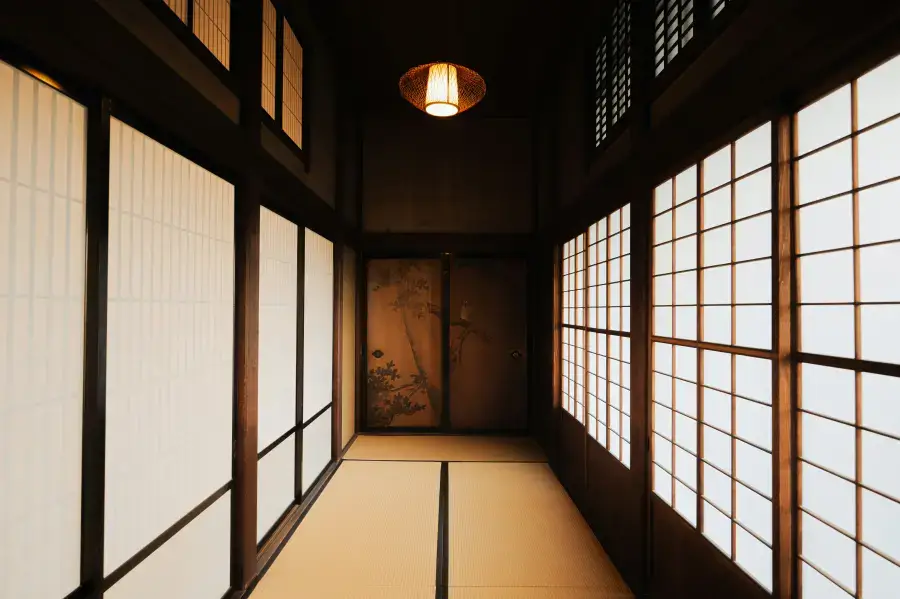
You will remove your shoes many times each day in Japan: at ryokans, traditional restaurants, many temples, and some private homes.
- Never step on the raised threshold (genkan); step directly from outside, then onto the interior floor
- Turn your shoes to face the exit when removing them
- Use the slippers provided, but remove them before stepping onto tatami mats: tatami rooms require socked feet only
- Separate toilet slippers are provided in bathrooms; always change back when leaving
Practical tip: Wear shoes that slip on and off easily throughout your trip.
Chopstick Etiquette in Japan
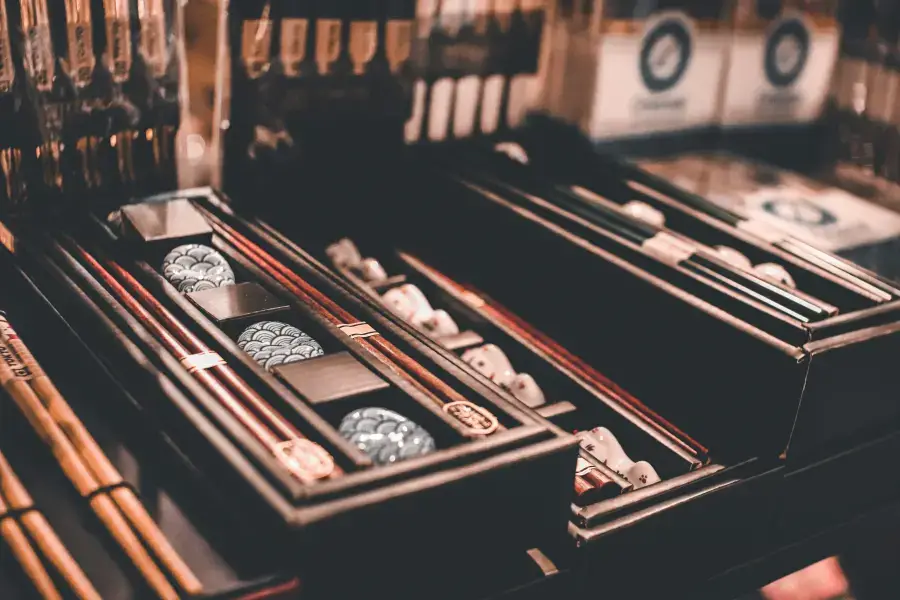
Chopsticks carry significant cultural weight in Japan. Two actions are considered deeply offensive because of their association with funeral rites:
- Never stand chopsticks vertically in a bowl of rice this mirrors the incense offering at funerals
- Never pass food chopstick-to-chopstick this echoes the ritual of passing cremated bones at a Buddhist funeral
Other chopstick etiquette to observe:
- Rest chopsticks on the provided hashioki (chopstick rest) when not in use, not across your bowl
- Do not point or gesture with chopsticks
- Do not spear food with a single chopstick
- When serving yourself from a shared dish, use the reverse end of your chopsticks
Onsen Etiquette for First-Time Visitors
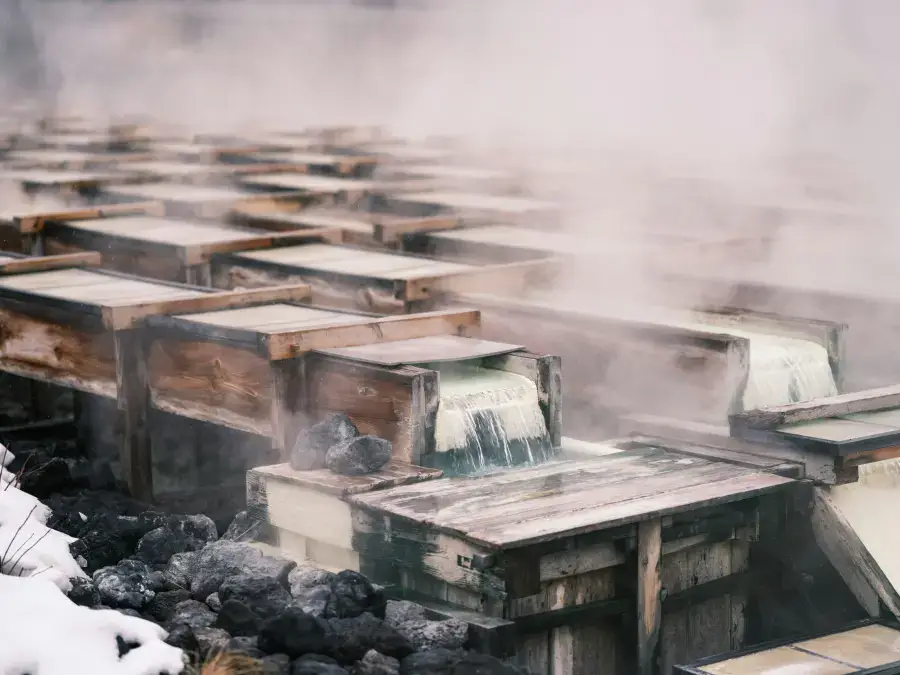
The onsen (natural hot spring bath) is one of Japan's greatest pleasures, and one of its most codified experiences. Getting it right transforms the experience from awkward to transcendent.
The essential rules
- Wash thoroughly before entering. Every onsen has a washing station with showers, soap, and shampoo. Use it completely before getting in the water: the onsen is for soaking, not cleaning.
- Enter completely nude. Swimsuits are not allowed in traditional onsen.
- Keep your small towel out of the water. The small modesty towel can be folded on your head or left at the side, but never submerged.
- Move quietly. Onsen are spaces for contemplation. Keep voices low and phones away.
- Hydrate before and after: the heat is more intense than it appears.
Tattoo policies
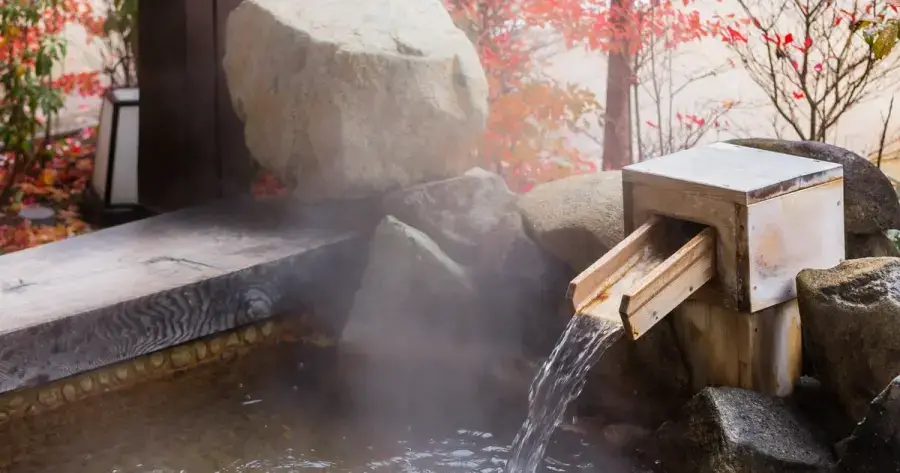
Many traditional onsen prohibit tattoos, a policy rooted in historical associations with organized crime. However, most luxury ryokans now offer private onsen facilities: a kashikiri bath you reserve exclusively for your party. Private onsen is standard in the Hakone ryokans we book. This is our standard recommendation for clients with tattoos, and it offers a superior experience regardless.
Hitotoki note: We always arrange private onsen access for our clients. Soaking in a rotenburo (outdoor onsen) with a view of snow-covered mountains, with complete privacy. This is one of Japan's defining luxury experiences.
Things Visitors Should Avoid in Japan
While Japan is extremely welcoming to international travelers, a few behaviors are generally considered impolite and should be avoided whenever possible.
- Talking loudly on trains or public transportation
- Pointing with chopsticks or sticking them upright in rice
- Ignoring queues or cutting in line
- Entering homes or tatami rooms without removing shoes
Japanese social norms place a strong emphasis on harmony and respect for shared spaces. Observing these small rules of Japan etiquette for visitors helps ensure that interactions remain smooth and pleasant for everyone.
Dining Etiquette at Japanese Restaurants
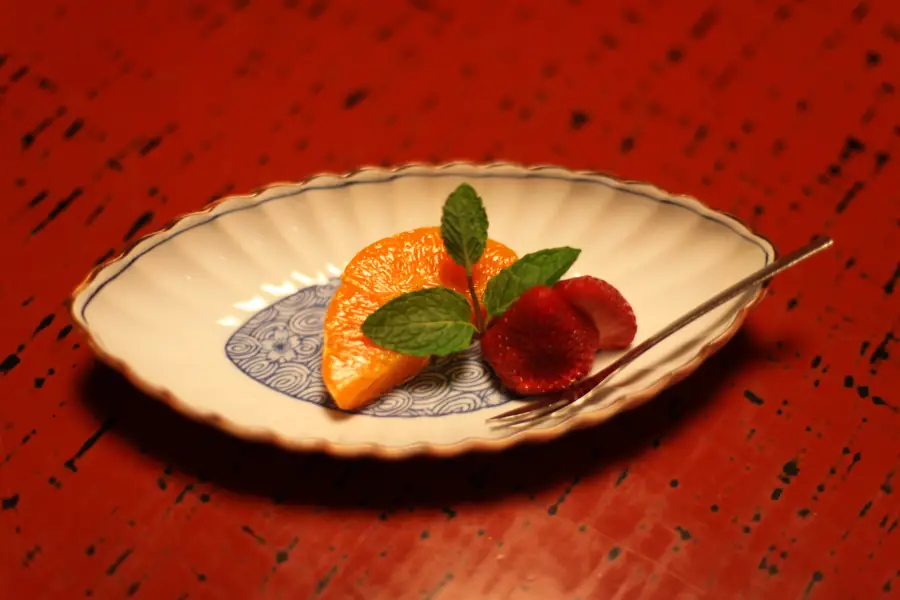
- Punctuality is essential: arriving even a few minutes late at an omakase counter or kaiseki restaurant is genuinely disruptive to the chef's timing
- Say itadakimasu before eating and gochisousama deshita when finished; these expressions are always appreciated
- At omakase counters, eat each piece immediately after it is placed in front of you: the chef has timed and temperatured it precisely
- Slurping noodles is not only acceptable: it is considered a compliment to the chef
- Do not pour your own drink if dining with others; pour for your companions first and they will pour for you
Practical Tips for Your Japan Trip

Use Luggage Forwarding (Takkyubin)
For ¥2,000–3,000 per bag, your luggage is picked up from your hotel and delivered to your next destination, arriving the following morning. This allows you to travel between cities entirely unencumbered, navigating train stations, temple steps, and city streets with just a day bag. Your hotel concierge can arrange each pickup for you.
Carry Cash
Despite its technological sophistication, Japan remains a heavily cash-based society, even at the luxury level. Many excellent restaurants, traditional craft shops, and small temples operate cash-only. We recommend carrying ¥30,000–50,000 at all times. Japan Post ATMs and 7-Eleven ATMs reliably accept international cards.
Choose Your Travel Dates Wisely
The best periods for a first luxury visit are cherry blossom season (late March–mid-April) and autumn foliage (mid-November). Both require booking 9–12 months in advance for the finest ryokans. Mid to late May (June is rainy season so we dont want to recommend it) is an underrated window: lush, quieter, and easier to secure the finest ryokans than peak cherry blossom or autumn foliage. Avoid Golden Week (late April–early May) and Obon (mid-August). Read our complete best time to visit Japan guide for a month-by-month breakdown.
The JR Pass
Hitotoki does not book a nationwide JR Pass. We reserve Green Car seats point to point, or a private transfer, so you never stand at a ticket machine. Wider seats, quieter cabins, and dedicated service make the shinkansen a pleasure rather than a transfer.
How Many Days in Japan for a First Visit?
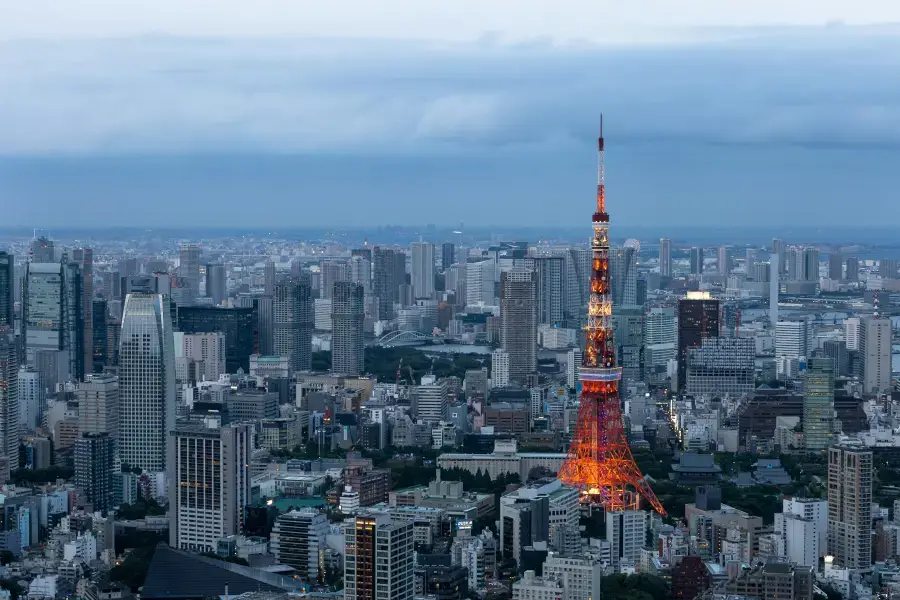
Japan rewards an unhurried calendar. A week is possible, but you will spend it rushing.
Our recommendation: 10 to 14 days for a first luxury visit — the shape of our 10-day luxury Japan itinerary. That allows 3 nights in Tokyo, 3 nights in Kyoto with a day in Nara, a night or two in Hakone, and one further chapter: Hiroshima, Kanazawa with Takayama, or Yakushima. Nikko is a private day from Tokyo; Osaka is a Kansai night, not a fifth city crammed into a week.
With 7 days, focus on two regions: Tokyo and Kyoto, or Kyoto and Hakone — see the Golden Route. Do not attempt to cover five cities in a week.
Exclusive Experiences Worth Planning in Advance
Private English-Speaking Guides
A private guide in Japan does far more than translate. They unlock access: to artisan workshops not open to the public, to better seating at restaurants through personal relationships, to the context that transforms a beautiful temple visit into a genuine cultural encounter. The difference between Japan with and without a private guide is not incremental. It is categorical.
Ryokan vs. Hotel: Which is Right for You?
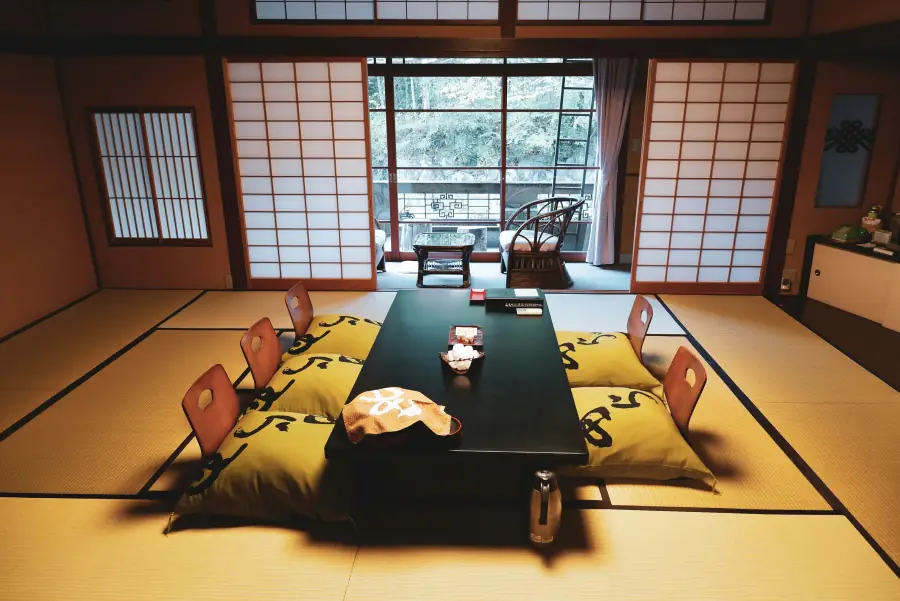
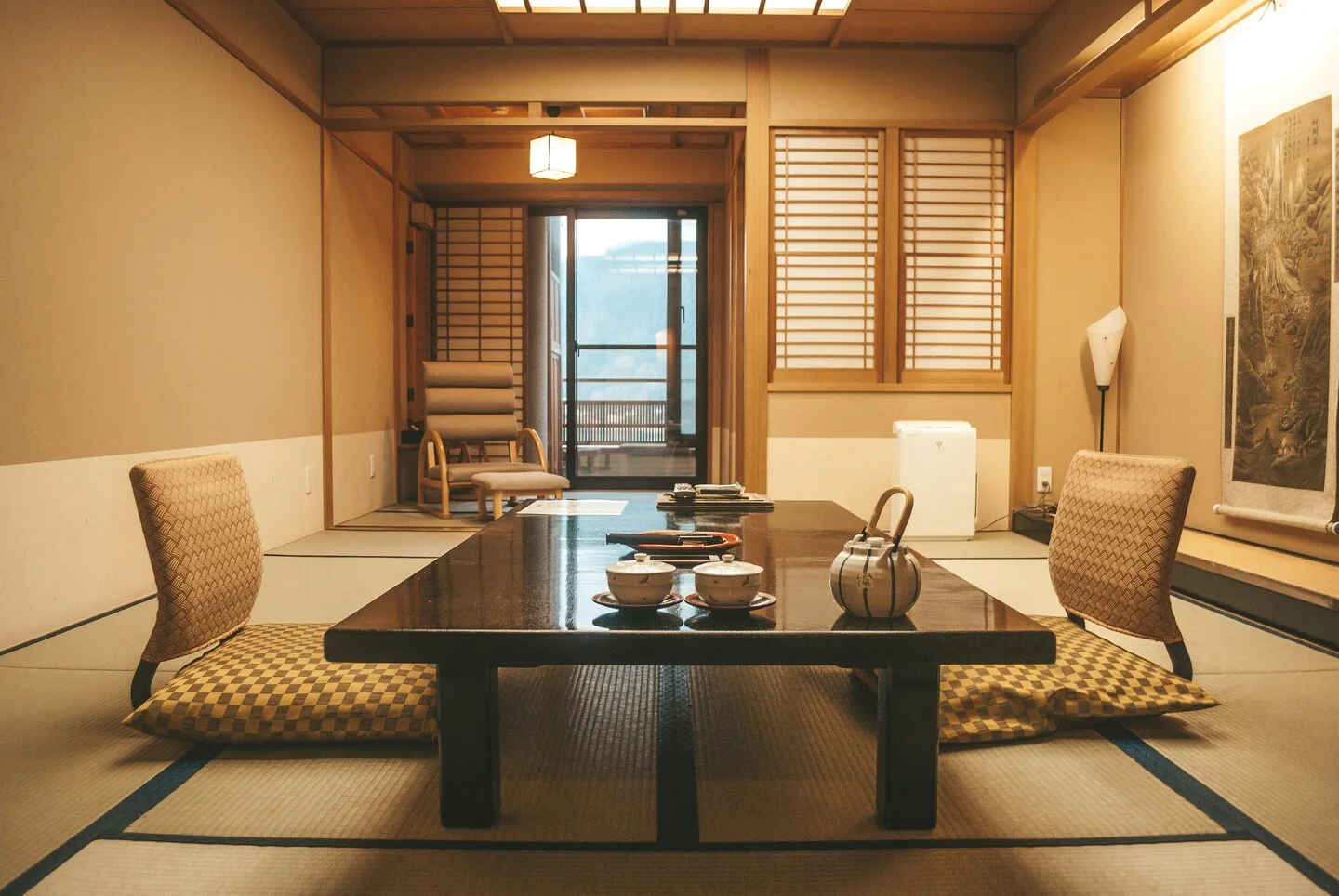
A traditional ryokan — with tatami floors, futon bedding, kaiseki dinners, and a structured rhythm of arrival, bathing, and dining — is unlike any other accommodation experience in the world. Rates at the finest properties range from ¥80,000 to ¥200,000+ per person per night, inclusive of meals. For a first visit, we recommend one night at a high-quality ryokan. Read our complete ryokan guide for luxury travelers to understand what to expect and how to choose the right property.
Private Temple and Shrine Access
The most rewarding temple visits happen in the first hour after the gates open, with a private guide: the great gardens in near-silence, before the tour groups arrive.
Authentic Geisha Experiences
A genuine geisha evening — an ozashiki engagement at an ochaya (teahouse) in Gion with actual geiko and maiko — belongs to a world that opens only through personal introductions. It is categorically different from the tourist-oriented "geisha experiences" advertised online.
Frequently Asked Questions
Is tipping customary in Japan?
No. Tipping is not customary in Japan and can cause genuine embarrassment: service is a matter of professional pride, never a transaction. This applies at restaurants, taxis, hotels, and ryokans. If you wish to thank a private guide after several days together, a small wrapped gift, offered with two hands, is the appropriate gesture. Alternatively, a gratuity is always appreciated as a personal gesture of thanks.
What is the etiquette at a Japanese onsen?
Wash thoroughly at the washing station before entering the water, bathe completely nude, keep the small towel out of the water, and move quietly. Tattoos should be covered at traditional onsen, or reserve a private kashikiri bath. Private onsen is standard in the Hakone ryokans we book.
What chopstick rules should I know before visiting Japan?
Never stand chopsticks upright in a bowl of rice and never pass food chopstick to chopstick: both mirror Japanese funeral rites. Rest chopsticks on the provided hashioki (chopstick rest) when not in use, and use the reverse end of your chopsticks when serving from a shared dish.
Is a 7-day Japan trip enough?
It is possible, but we recommend 10–14 days for a first visit. See our 10-day luxury Japan itinerary. With a week, focus on two regions — Tokyo and Kyoto, or Kyoto and Hakone, as on the Golden Route — and experience them deeply.
Japan rewards the traveler who arrives prepared — not just logistically, but culturally. As a small team based in Japan, we design every itinerary around these principles. share your travel plans with us and we will take care of everything else.