The best time to visit Japan is generally spring (late March to mid-April) for cherry blossoms or autumn (mid-October to late November) for vibrant foliage. Summer (June–August) is known for lively festivals and mountain escapes, while winter (December–February) offers snow-covered landscapes, fewer crowds, and some of Japan's best onsen experiences.
In reality, Japan is a year-round destination, and the ideal season depends on your interests, budget, and tolerance for crowds. In this guide, our Japan-based travel experts at Hitotoki share a month-by-month overview to help you choose the best time to visit Japan based on weather, seasonal highlights, and travel conditions.
Below is a quick month-by-month overview of the best time to visit Japan, including weather conditions, seasonal highlights, and expected crowds.
Best Time to Visit Japan by Month
| Month | Weather | Best For | Crowds |
|---|---|---|---|
| January | Cold and dry | Onsen, winter illuminations, fewer crowds | Low |
| February | Cold | Plum blossoms, snow scenery, great value | Low |
| March | Mild, variable | Early cherry blossoms, quieter spring travel | Medium |
| April | Warm and pleasant | Peak cherry blossom season | Very high |
| May | Warm and comfortable | Fresh greenery, late sakura, hiking | Medium–High |
| June | Warm, rainy | Hydrangeas, temple visits, lower rates | Low–Medium |
| July | Hot and humid | Festivals, fireworks, beach escapes | Medium |
| August | Very hot and humid | Obon, mountain retreats, island stays | High |
| September | Warm, occasional typhoons | Lower prices, fewer tourists, early autumn travel | Low–Medium |
| October | Cool and comfortable | One of the best overall months to visit Japan | Medium |
| November | Cool and crisp | Peak autumn foliage season | High |
| December | Cold and dry | Winter illuminations, onsen, festive atmosphere | Low–Medium |
If you are looking for the best month to visit Japan, October is often the most balanced choice overall, while April is ideal for cherry blossoms and November for autumn foliage.
Quick Overview: Japan Seasons at a Glance
| Season | Months | Highlights | Crowds | Luxury Travel Rating |
|---|---|---|---|---|
| Spring | March – May | Cherry blossoms, mild weather, hanami | High (April peak) | Best for first-time visitors |
| Summer | June – August | Festivals, beaches, mountain retreats | Medium-High | Best for cultural immersion |
| Autumn | September – November | Fall foliage, comfortable temperatures | High (November peak) | Best for photography & ryokans |
| Winter | December – February | Snow, hot springs, solitude | Low | Best for onsen & uncrowded travel |
Spring in Japan (March – May): Cherry Blossom Season
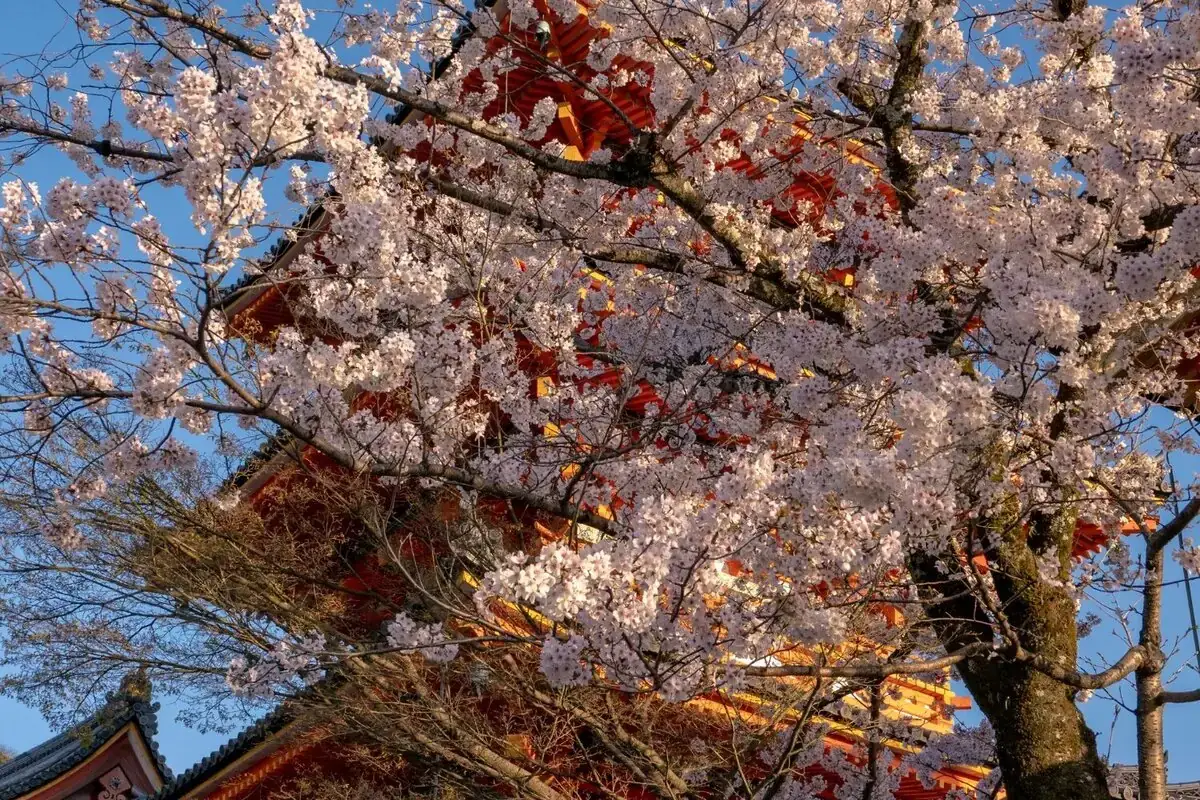
Spring is when most travelers dream of visiting Japan — and for good reason. The cherry blossom season (sakura) transforms the entire country into a pink and white wonderland that must be seen to be believed.
When Do Cherry Blossoms Bloom in Japan?
Cherry blossom season in Japan typically runs from late March to mid-April, depending on the region. The "sakura front" begins in southern Kyushu and moves northward over several weeks:
- Late March: Kagoshima, Hiroshima, southern Shikoku
- Early April: Tokyo, Osaka, Kyoto (peak bloom)
- Mid-April: Kanazawa, Takayama, northern Honshu
- Late April – Early May: Tohoku, Hokkaido
The Japanese Meteorological Agency releases daily cherry blossom forecasts, and our team monitors them closely to time your itinerary perfectly. For a luxury cherry blossom tour, we recommend booking 6–12 months in advance — the best ryokans and private experiences sell out fast.
March
Weather: Mild, variable (7–14°C / 45–57°F)
Early cherry blossoms appear in southern Japan. This is the calm before the peak — fewer crowds, excellent hotel availability, and the excitement of the sakura front approaching.
Best for:
- Early cherry blossoms in Kagoshima and Hiroshima
- Last chance for uncrowded travel before peak season
- Pleasant hiking in Yakushima
- Spring festivals begin
Hitotoki recommendation: Visit Hiroshima for early blossoms and the Peace Memorial, then travel to the ancient forests of Yakushima before the spring rush. A private guide makes all the difference in these less-visited destinations.
April
Weather: Warm and pleasant (12–19°C / 54–66°F)
Peak cherry blossom season. This is Japan at its most iconic. The entire country transforms, and hanami (flower viewing) gatherings fill every park and riverside.
Best for:
- Cherry blossoms in Tokyo, Kyoto, Osaka, Kanazawa
- Philosopher's Path in Kyoto
- Nara Park with deer under sakura trees
- Traditional hanami experiences with private catering
Crowds: Very high. Book 6–12 months in advance for the best accommodations.
Hitotoki recommendation: A carefully timed itinerary following the sakura front from Osaka to Kyoto to Kanazawa, with private early-morning temple visits to experience the blossoms before the crowds arrive. We arrange exclusive hanami picnics in private gardens — the kind of experience you simply cannot book on your own.
May
Weather: Warm and comfortable (15–23°C / 59–73°F)
Late cherry blossoms linger in northern regions, and the fresh green season (shinryoku) begins. Golden Week (late April – early May) is extremely busy with domestic travelers, but mid-to-late May is one of the best-kept secrets for visiting Japan.
Best for:
- Late sakura in Takayama and Kanazawa
- Fresh green landscapes everywhere
- Comfortable hiking in Yakushima
- Wisteria and azalea gardens
- Sumo tournament in Tokyo (mid-May)
Hitotoki recommendation: After Golden Week, explore the Takayama old town and the traditional villages of the Japanese Alps in perfect weather. This is ideal for travelers who want cherry blossom beauty without the April crowds.
Ready to plan your spring journey? Our travel designers will time your itinerary perfectly around the cherry blossom forecasts. Request your custom itinerary.
Summer in Japan (June – August): Festivals & Cultural Immersion
Summer brings heat and humidity, but also Japan's most spectacular cultural events. For travelers willing to embrace the warmth, summer offers extraordinary festivals, island escapes, and mountain retreats.
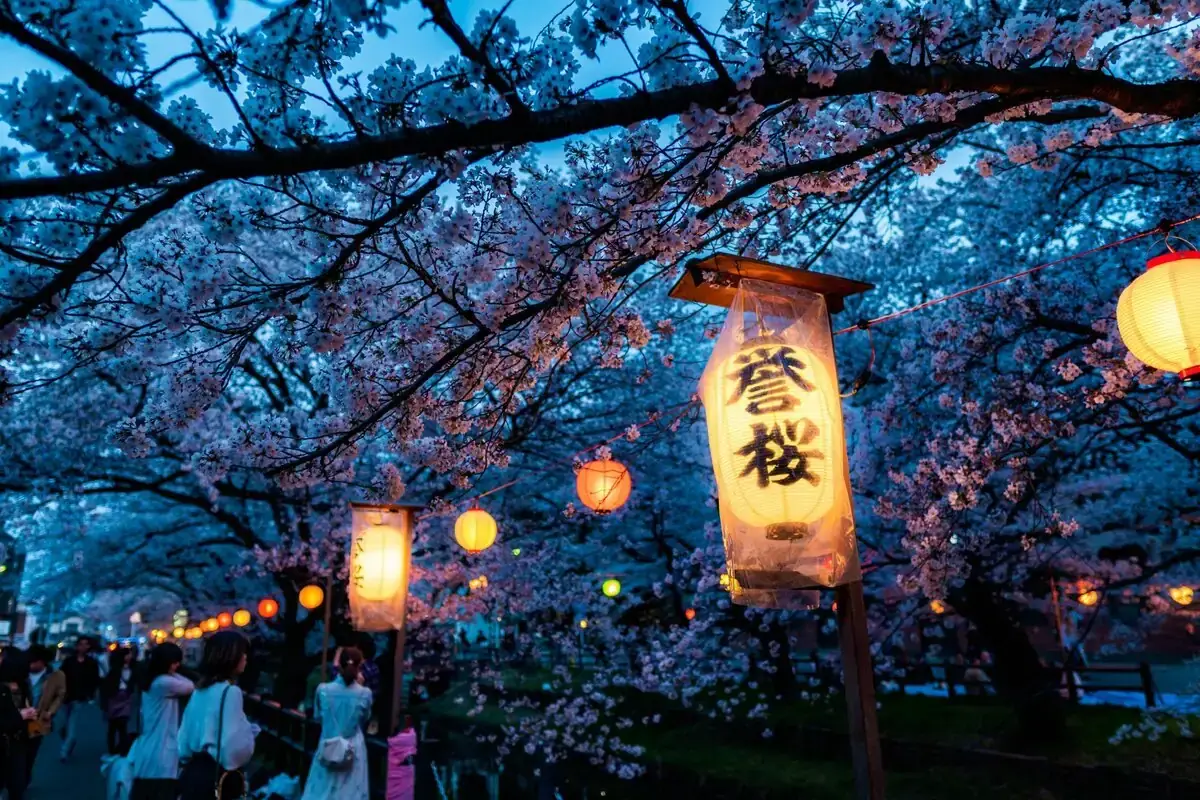
June
Weather: Warm, rainy season begins (19–26°C / 66–79°F)
Tsuyu (rainy season) arrives in most of Japan, but this is not a reason to skip visiting. The rain creates a mystical atmosphere in temples and gardens, hydrangeas bloom spectacularly, and tourist numbers drop significantly. If you are wondering how expensive Japan is to visit, June offers some of the best value with lower accommodation rates.
Best for:
- Hydrangea viewing in Kyoto and Nara
- Atmospheric temple visits with almost no tourists
- Yakushima's moss forests at their most magical
- Kagoshima (less affected by rainy season)
Hitotoki recommendation: Yakushima in June is extraordinary. The rain brings the ancient moss forests to life, creating an otherworldly landscape straight from a Miyazaki film. We arrange stays at the island's finest lodges with private guided forest walks.
July
Weather: Hot and humid (23–31°C / 73–88°F)
Summer festivals (matsuri) begin in earnest. The heat can be intense, but the cultural experiences are unmatched anywhere in the world.
Best for:
- Gion Matsuri in Kyoto (Japan's most famous festival, all month)
- Beach escapes in Okinawa and Yakushima
- Mountain retreats in Takayama and Hakone
- Evening fireworks festivals (hanabi)
Hitotoki recommendation: Experience Gion Matsuri with exclusive access to private machiya townhouse viewings overlooking the parade floats, then escape to a luxury ryokan in Hakone where the mountain air is cool and the onsen baths are waiting.
August
Weather: Peak heat and humidity (24–33°C / 75–91°F)
The hottest month, but also the most festive. Obon (mid-August) is when Japanese honor their ancestors with beautiful lantern ceremonies and bon odori dances across the country.
Best for:
- Obon festivals and atmospheric ceremonies
- Spectacular fireworks displays
- Mountain escapes (Takayama, Hakone, Japanese Alps)
- Island retreats (Yakushima, Okinawa)
Note: Mid-August (Obon week) is extremely busy for domestic travel. We plan around these dates for smoother logistics.
Hitotoki recommendation: A highland retreat in Takayama combined with the mesmerizing Daimonji fire festival in Kyoto — one of Japan's most visually stunning events, best experienced from a private vantage point we arrange for our clients.
Autumn in Japan (September – November): Fall Foliage Season
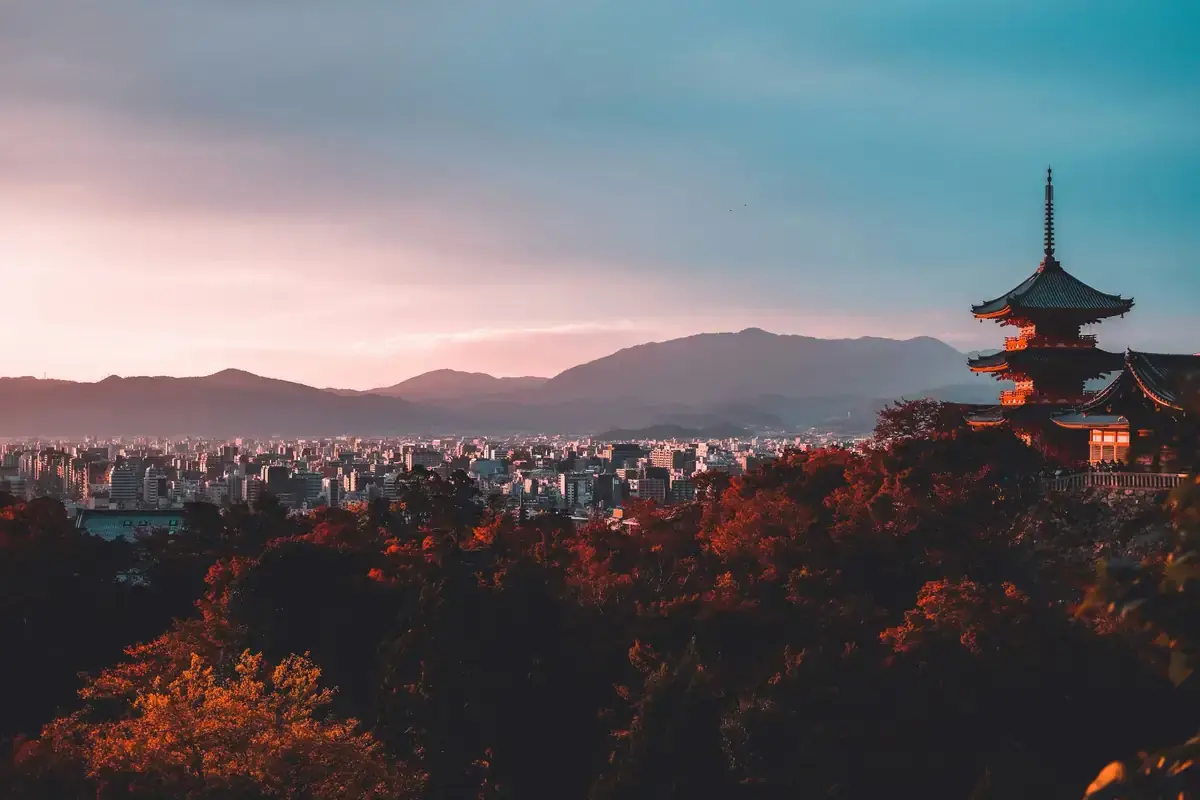
Autumn in Japan rivals spring for sheer beauty. The fall colors (koyo) paint the country in vivid reds, oranges, and golds. For many of our clients, this is the best time to travel to Japan.
September
Weather: Warm, occasional typhoons (20–28°C / 68–82°F)
Typhoon season peaks early in the month, but between storms, the weather is excellent. Crowds thin dramatically after summer holidays, making September one of the most underrated months for travel.
Best for:
- Temple visits with pleasant temperatures and few tourists
- Early autumn colors in mountainous areas
- Sumo tournament in Tokyo (mid-September)
- Moon-viewing festivals (Tsukimi)
- Lower prices across the board
Hitotoki recommendation: A flexible itinerary through Kyoto and Nara, with early autumn touches in the higher elevations and the magic of private moon-viewing ceremonies at historic temples.
October
Weather: Cool and comfortable (14–22°C / 57–72°F)
One of the absolute best months to visit Japan. The summer heat has subsided, Japan fall colors begin to appear in the mountains, and the atmosphere is crisp and clear — perfect for photography.
Best for:
- Early autumn foliage in Takayama, Nikko, and the Japanese Alps
- Perfect weather for walking and exploring cities
- Comfortable hiking in Yakushima
- Photography — clear skies produce extraordinary light
Hitotoki recommendation: Follow the autumn colors from the Japanese Alps (Takayama, Kanazawa) down through Kyoto as the momiji maples begin their transformation. October is ideal for a luxury 2-week Japan itinerary combining culture, nature, and gastronomy.
November
Weather: Cool, crisp (8–17°C / 46–63°F)
Peak autumn foliage season. Fall in Japan reaches its climax. The country glows in red, orange, and gold — particularly in Kyoto, where centuries-old temple gardens become living works of art.
Best for:
- Autumn leaves in Kyoto (peak mid-November)
- Spectacular temple gardens in Nara
- Kanazawa's Kenrokuen Garden in full autumn splendor
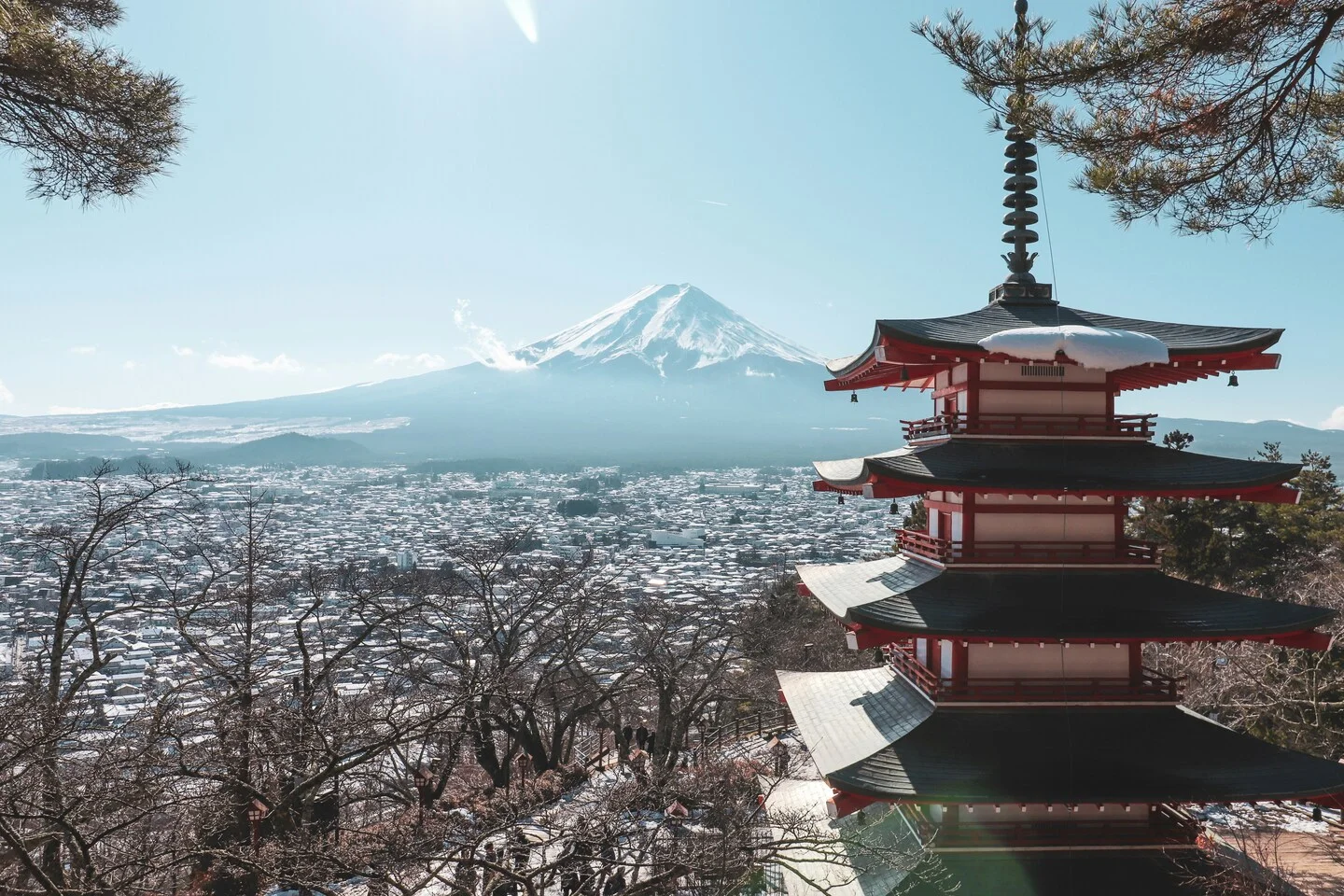
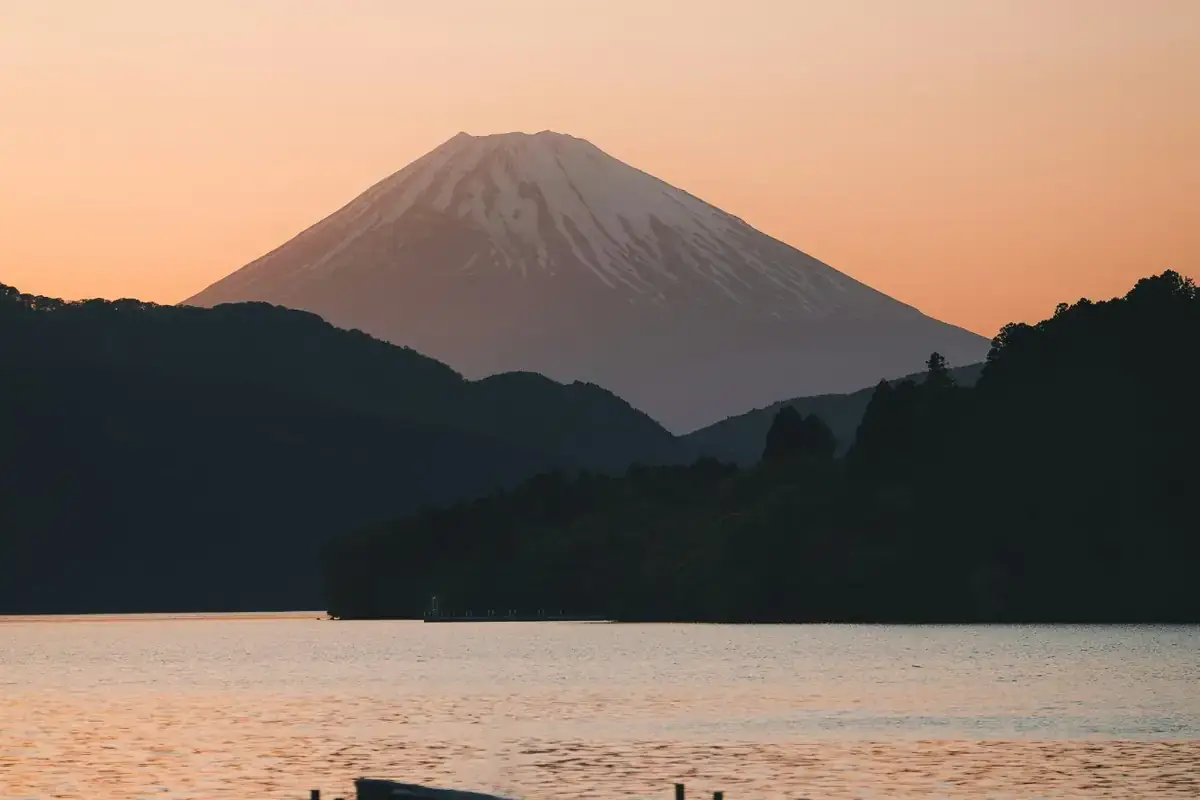
- Mt. Fuji views from Hakone (clear autumn skies)
- Night illuminations of autumn leaves (lightup events)
Crowds: High, especially in Kyoto. Book well in advance for the best ryokans.
Hitotoki recommendation: A curated autumn journey through Kyoto's most spectacular temples with early-morning private access before the crowds arrive, followed by the serene beauty of Kanazawa. We know exactly which temples peak on which dates — and we plan your itinerary accordingly.
Autumn is our most requested season. Let us design your perfect fall Japan journey with the best ryokans and private temple access. Start planning now.
Winter in Japan (December – February): Hot Springs, Snow & Solitude
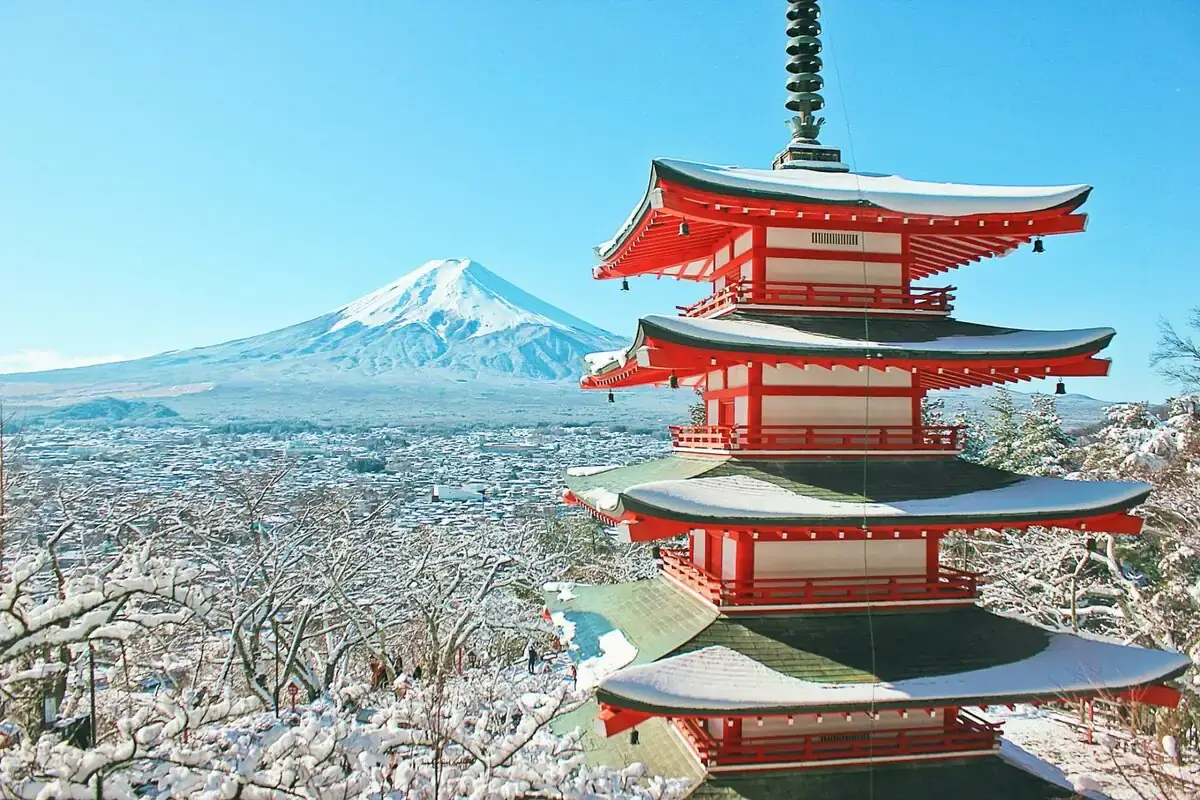
Winter is Japan's best-kept secret for luxury travelers. Tourist numbers drop dramatically, ryokans offer their most intimate atmosphere, and the combination of snow-covered landscapes with steaming outdoor onsen baths is unforgettable.
December
Weather: Cold, dry (4–12°C / 39–54°F)
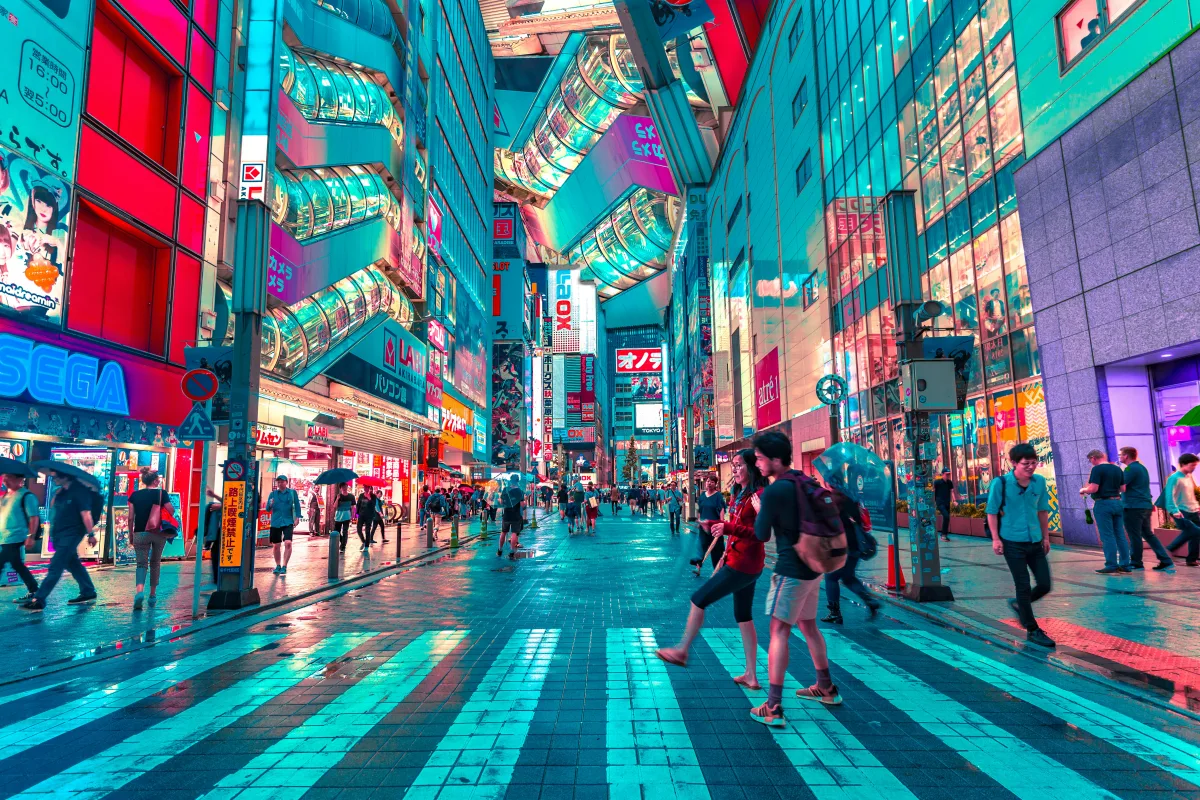
Winter illuminations transform Tokyo and Osaka into wonderlands of light. The festive atmosphere builds toward New Year, Japan's most important holiday.
Best for:
- Spectacular Christmas illuminations in Tokyo and Osaka
- Winter onsen experiences in Hakone with possible snow views
- Year-end cultural experiences
- Peaceful temple visits with virtually no tourists
- Excellent hotel availability and rates (early December)
Note: December 28 – January 3 (New Year period) many restaurants and shops close. We plan around this accordingly.
Hitotoki recommendation: Experience Tokyo's spectacular illuminations, then retreat to a luxury ryokan in Hakone for a rejuvenating onsen experience. The best ryokans in Japan — places like Gora Kadan or Hakone Ginyu — are at their most atmospheric in winter, with snow falling while you soak in a private outdoor bath.
January
Weather: Cold and dry (2–10°C / 35–50°F)
January offers a serene Japan, free from tourist crowds. The New Year celebrations (Shogatsu) bring a deeply cultural experience with temple visits, traditional foods, and a contemplative atmosphere that reveals a side of Japan most visitors never see.
Best for:
- Onsen retreats at the finest ryokans in Hakone
- New Year temple ceremonies in Kyoto
- Winter illuminations in Tokyo
- The lowest prices of the year
Hitotoki recommendation: Start the year with a private temple meditation in Kyoto guided by a Buddhist monk, followed by a multi-night ryokan stay in Hakone with views of snow-capped Mount Fuji. January is perfect for a luxury Japan honeymoon — romantic, uncrowded, and deeply atmospheric.
February
Weather: Cold with occasional snow (2–11°C / 35–52°F)
The coldest month, but also one of the most magical. Plum blossoms (ume) begin to appear, hinting at the spring to come. With fewer tourists than any other month, February offers the most authentic, unhurried Japan experience.
Best for:
- Plum blossom viewing in Osaka and Kyoto
- Snow festivals in northern Japan
- Hakone luxury ryokan stays with snow-viewing onsen
- Japan's earliest cherry blossoms in southern Kagoshima
- Exceptional value on accommodations
Hitotoki recommendation: A journey from the subtropical warmth of Kagoshima — where cherry blossoms bloom weeks before the rest of Japan — to the traditional heart of Kyoto, experiencing Japan's remarkable geographic diversity in a single trip.
Best Time to Visit Japan by Destination
Tokyo
- Best time: March–May (spring), October–November (autumn)
- Avoid: August (extreme heat and humidity)
- Hidden gem: January for New Year traditions and spectacular winter illuminations
Hakone — Home to Japan's Finest Luxury Ryokans
- Best time: Year-round — the hot springs are always flowing
- Peak: October–November for crystal-clear Mt. Fuji views
- Hidden gem: Winter for the magical experience of snow-viewing onsen
- A Hakone luxury ryokan stay is one of the highlights of any Japan trip
Kyoto
- Best time: April (cherry blossoms), November (autumn foliage)
- Avoid: August (very hot), Golden Week (very crowded)
- Hidden gem: February for plum blossoms with absolutely no crowds
Osaka
- Best time: April, October–November
- Highlight: Japan's food capital — culinary culture thrives year-round
- Hidden gem: January for authentic local New Year celebrations
Kanazawa
- Best time: April (late sakura), November (Kenrokuen Garden autumn)
- Hidden gem: Winter for snow-covered gardens — one of Japan's most photogenic scenes
Takayama & the Japanese Alps
- Best time: April (spring festival), October (autumn festival)
- Year-round appeal: Traditional atmosphere in every season
- Hidden gem: January–February for snowy old-town charm
Nara
- Best time: April (sakura with deer), November (autumn temples)
- Year-round appeal: The friendly deer are always there to greet you
- Hidden gem: June for hydrangeas at Hase-dera temple
Yakushima
- Best time: May–June, September–October
- Unique: Rain is part of the experience — the ancient forests need it
- Avoid: Typhoon season peak (late August – September)
- Discover more about our Yakushima getaway
Okinawa
- Best time: April–June, October–November
- Highlight: Subtropical paradise with Japan's best beaches
- Hidden gem: March for the earliest cherry blossoms and uncrowded beaches
- Explore our Okinawa beach break itinerary
Best Time to Visit Japan by Traveler Type
First-time visitors: April or November — experience Japan at its most iconic with cherry blossoms or autumn foliage. Before you go, read our 15 essential Japan travel tips for luxury travelers to navigate etiquette, dining, and logistics like a seasoned visitor.
Honeymooners: January–February for intimate ryokan retreats, or April for romantic cherry blossom moments. Japan is one of the world's finest honeymoon destinations.
Photographers: November for autumn colors, April for cherry blossoms, January for snow-covered temples
Culture seekers: July for Gion Matsuri and summer festivals, January for traditional New Year ceremonies
Nature lovers: May–June for Yakushima's ancient forests, October for mountain hiking with fall colors
Luxury travelers seeking privacy: January–February, June, or September — the quietest months offer the most exclusive experiences
Families: Late March, May (after Golden Week), or October — comfortable weather, manageable crowds
Frequently Asked Questions
How far in advance should I book a Japan trip?
For cherry blossom season (late March to mid-April) and autumn foliage (November), book 6–12 months ahead. The best ryokans in Japan sell out quickly for peak seasons. For other months, 3–6 months is usually sufficient.
What is the best month to visit Japan overall?
If we had to choose one month, October offers the perfect combination: comfortable weather, emerging fall colors, reasonable crowds, excellent hotel availability, and Japan at its most photogenic. November is equally beautiful but busier.
Can I see cherry blossoms and autumn leaves in the same trip?
Not in the same locations — cherry blossoms peak in late March to mid-April, while autumn foliage peaks in mid-November. However, each season offers equally breathtaking beauty, and we design itineraries that capture the very best of whichever season you choose.
What is the cheapest time to visit Japan?
January and February offer the lowest accommodation rates and airfares. June (rainy season) also offers excellent value. These months have fewer tourists, meaning better availability at top ryokans and restaurants.
Is Japan expensive to visit?
Japan offers excellent value compared to other luxury destinations. A mid-range trip costs $150–250 per day, while a luxury experience with private guides, top ryokans, and exclusive access typically starts from $1,000 per person per day.
Plan Your Perfect Japan Journey
In summary, spring (March to May) is usually the best season to visit Japan for cherry blossoms, while autumn (October to November) is ideal for fall foliage. That said, every season offers something special, from summer festivals and island escapes to winter onsen retreats and snow-covered landscapes. Ultimately, the right time to visit depends on your interests, travel style, and the kind of experience you want to have in Japan.
Whether you dream of standing beneath cherry blossoms in a private Kyoto garden, soaking in an outdoor onsen as snow falls softly around you, or watching autumn leaves drift across a temple pond — we design every journey around your vision.
As a small team based in Japan, we know the country intimately across all seasons. We monitor cherry blossom forecasts, track autumn foliage patterns, and leverage our network of ryokan owners, private guides, and cultural practitioners to create experiences that are simply not available to independent travelers.
Ready to start planning?
Every Hitotoki journey is personally designed. Tell us your dates, interests, and travel style — we will craft a detailed proposed itinerary with no obligation.
Hitotoki Travel is a luxury travel agency based in Japan, specializing in bespoke, tailor-made journeys for discerning travelers. Every itinerary is personally designed to create an unforgettable Japanese experience.