Japan is a country that rewards every kind of traveler — but with so many extraordinary destinations, knowing where to go can feel overwhelming. Should you start with the neon-lit streets of Tokyo? The serene bamboo groves of Kyoto? The snow-capped views of Mt. Fuji from a private onsen in Hakone?
As luxury travel designers based in Japan, we have spent years crafting bespoke itineraries across the country. These are the six destinations we recommend to every traveler — whether it is your first visit or your fifth. Each one offers something truly unique, and together they form the foundation of an unforgettable Japan journey.
Looking for the ideal time to plan your trip? Read our complete guide on the best time to visit Japan to match your travel dates with each destination's peak season.
At a Glance: Top 6 Japan Destinations
| Destination | Best For | Ideal Duration | Best Season |
|---|---|---|---|
| Tokyo | City energy, food, pop culture | 3-4 days | Spring & Autumn |
| Kyoto | Temples, geisha culture, gardens | 3-4 days | April & November |
| Hakone | Ryokans, onsen, Mt. Fuji views | 1-2 nights | Year-round |
| Osaka | Street food, nightlife, local culture | 2-3 days | Spring & Autumn |
| Hiroshima | History, peace, island beauty | 1-2 days | March-May & October-November |
| Kanazawa | Gardens, samurai districts, art | 2 days | April & November |
Tokyo: Where Tradition Meets the Future
Tokyo is the beating heart of Japan — a city where ancient Shinto shrines stand in the shadow of glass skyscrapers, where Michelin-starred sushi counters sit beside bustling ramen alleys, and where centuries of tradition blend seamlessly with cutting-edge innovation.
No trip to Japan is complete without experiencing Tokyo's extraordinary energy.
What Makes Tokyo Unmissable
Tokyo is not one city but many. Each neighborhood has its own distinct personality, and discovering them is one of the great joys of visiting Japan:
- Shibuya & Shinjuku — The electric pulse of modern Tokyo. The famous Shibuya Crossing, dazzling neon lights, and some of the city's best department stores and nightlife
- Asakusa — Tokyo's most traditional quarter, home to the magnificent Senso-ji temple, Tokyo's oldest and most visited Buddhist temple, and the atmospheric Nakamise shopping street
- Ginza — Tokyo's luxury district, with world-class galleries, flagship boutiques, and some of the finest sushi restaurants on the planet
- Harajuku & Omotesando — Where Japanese street fashion meets high design. Meiji Shrine, one of Tokyo's most serene spaces, sits just steps away from Takeshita Street's vibrant youth culture
- Tsukiji Outer Market — While the famous tuna auctions moved to Toyosu, the outer market remains a paradise for food lovers, with hundreds of stalls offering the freshest seafood, tamagoyaki (Japanese omelette), and matcha treats
Luxury Experiences in Tokyo
What sets a luxury Tokyo experience apart is access — to the people, places, and traditions that most visitors never see:
- Private sushi omakase at intimate counters seating only 6-8 guests, where the chef personally selects each piece of fish from Toyosu Market that morning
- Early-morning temple visits at Meiji Shrine or Senso-ji before the crowds arrive, guided by a local cultural expert who brings the history to life
- Exclusive shopping experiences in Ginza with personal stylists at Japanese designer ateliers
- Sumo stable visits — an extremely rare experience we arrange through personal connections, where you watch morning practice sessions up close
- Rooftop dining overlooking the Tokyo skyline, with seasonal kaiseki menus that showcase the very best of Japanese cuisine
How Long to Spend in Tokyo
We recommend 3-4 full days in Tokyo. This allows time to explore the major neighborhoods, enjoy world-class dining, and experience the city's cultural depth without rushing. Many of our clients find that Tokyo surprises them — they expected futuristic spectacle but discover a city of quiet gardens, hidden temples, and deeply personal hospitality.
Explore our luxury Tokyo itineraries for inspiration.
Kyoto: The Soul of Japan
If Tokyo is Japan's future, Kyoto is its soul. For over a thousand years, Kyoto served as Japan's imperial capital, and that legacy lives on in its 2,000 temples and shrines, traditional geisha districts, and exquisite Zen gardens. Kyoto is, without question, one of the best places to visit in Japan.
Must-See Temples and Shrines in Kyoto
Kyoto has more UNESCO World Heritage Sites than almost any other city on earth. Here are the ones we consider essential:
- Fushimi Inari Shrine — Thousands of vermillion torii gates winding up the mountainside. Visit at dawn with a private guide to experience it in near-solitude
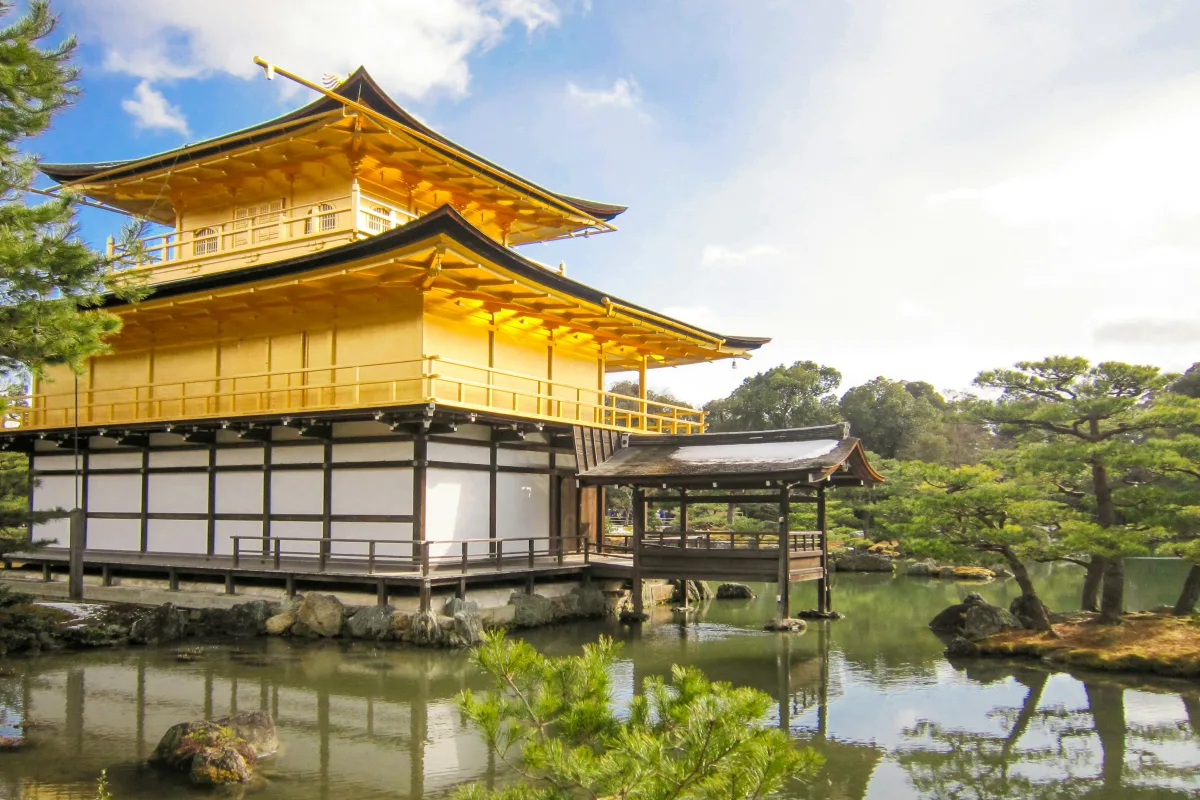
- Kinkaku-ji (Golden Pavilion) — The iconic gold-leaf temple reflected perfectly in its mirror pond, one of the most photographed scenes in all of Japan
- Arashiyama Bamboo Grove — Walking through towering bamboo stalks that sway and creak in the wind is a sensory experience unlike any other. Best visited early morning
- Kiyomizu-dera — A wooden temple perched on a hillside with sweeping views over Kyoto. Spectacular during cherry blossom and autumn foliage seasons
- Ryoan-ji — Home to Japan's most famous rock garden, a masterpiece of Zen minimalism that has inspired contemplation for over 500 years
The Geisha Districts
Kyoto is the only place in Japan where the geisha tradition (known locally as geiko and maiko) continues to thrive. The atmospheric cobblestone streets of Gion and Pontocho come alive at dusk, when you may glimpse a geiko in full regalia gliding between engagements.
For our clients, we arrange exclusive encounters:
- Private tea ceremony with a maiko — An intimate experience in a traditional machiya townhouse, where you learn about the years of training and artistry behind this living tradition
- Evening stroll through Gion with a cultural guide who explains the architecture, customs, and etiquette of the geisha world
- Kaiseki dinner in Pontocho — Kyoto's narrow riverside dining alley, where multi-course kaiseki meals are served overlooking the Kamo River
Kyoto Beyond the Famous Sites
The Kyoto that most travelers miss is often the most rewarding:
- Philosopher's Path — A peaceful canal-side walk lined with cherry trees, connecting several small temples. Perfect in every season
- Nishiki Market — Kyoto's "kitchen," a narrow covered market where you can sample pickles, tofu, matcha sweets, and seasonal specialties
- Northern Higashiyama — Quieter temple complexes like Nanzen-ji and the subtemple gardens that offer genuine tranquility even in peak season
- Tea ceremony in Uji — Just south of Kyoto, Uji is the birthplace of Japanese matcha tea culture, with tea houses that have been operating for centuries
How Long to Spend in Kyoto
We recommend 3-4 full days in Kyoto. The city reveals itself slowly — the early-morning light on a moss garden, the quiet of a bamboo grove at dawn, the ritual precision of a tea ceremony. Rushing through Kyoto means missing its essence.
Discover our curated Kyoto experiences.
Hakone: Hot Springs and Mt. Fuji Views
Just 90 minutes from Tokyo by train, Hakone is the quintessential Japanese hot spring retreat — and home to some of the finest luxury ryokans in all of Japan. For many of our clients, a stay in Hakone becomes the most memorable part of their entire trip.
Why Hakone Is Essential
Hakone offers the rare combination of natural beauty, cultural authenticity, and world-class luxury:
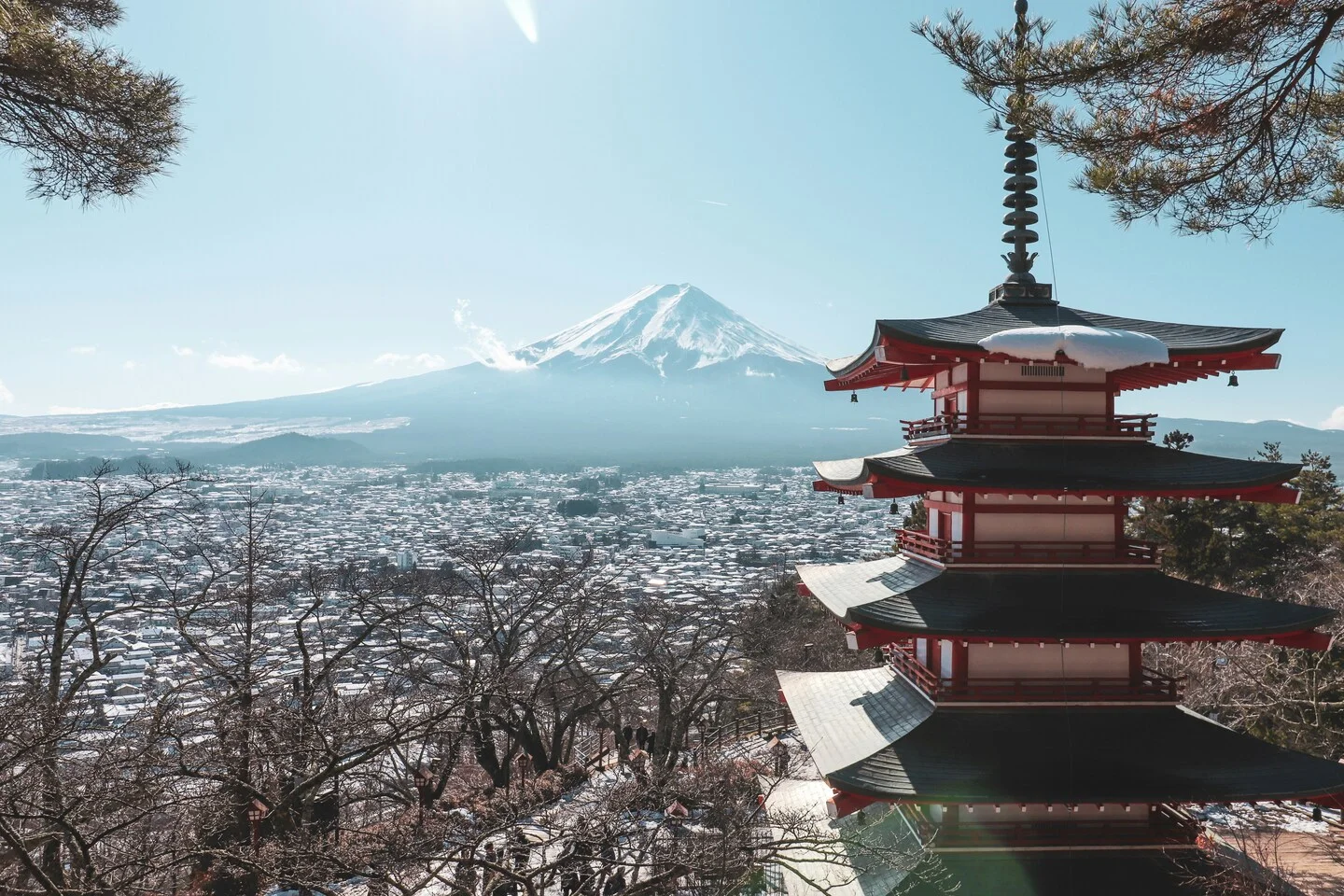
- Mt. Fuji views — On clear days, the views of Japan's iconic mountain from Hakone are breathtaking, particularly from Lake Ashi and the open-air museums
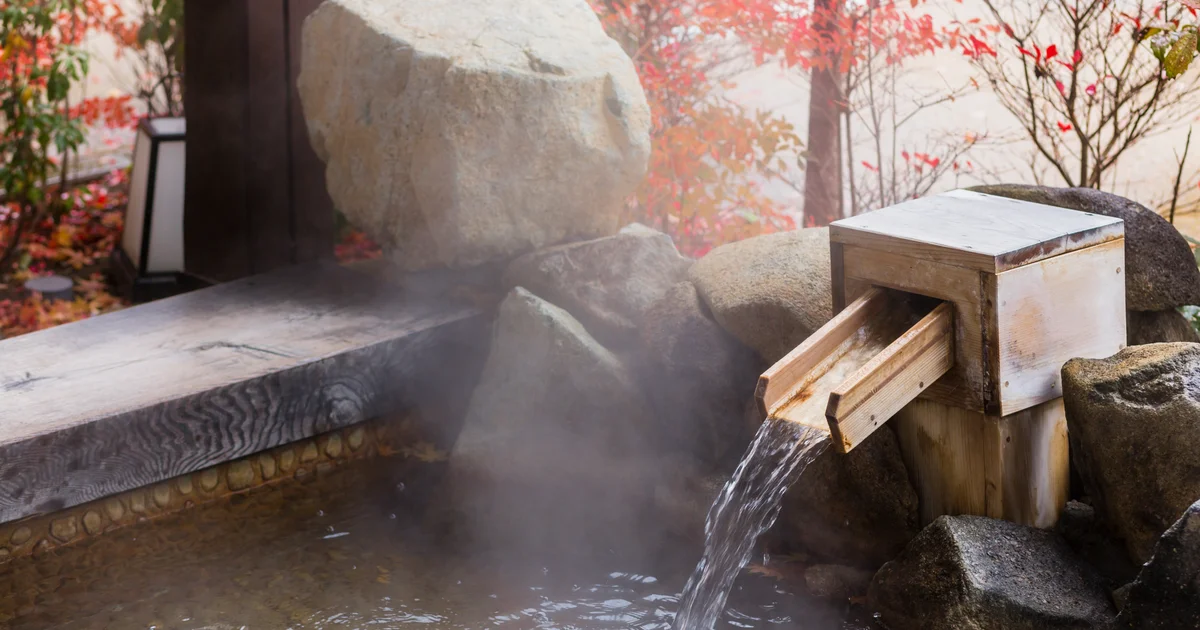
- Onsen (hot spring) culture — Hakone sits atop volcanic hot springs that have been prized for centuries. Soaking in a private outdoor onsen (rotenburo) while gazing at forested mountains is one of Japan's most iconic experiences
- Art and nature — The Hakone Open-Air Museum and Pola Museum of Art are world-class institutions set in stunning natural surroundings
- Ryokan hospitality — The traditional Japanese inn experience reaches its pinnacle in Hakone, with properties that have perfected the art of hospitality over generations
The Luxury Ryokan Experience
A ryokan stay in Hakone is unlike any hotel experience in the world. Here is what makes it extraordinary:
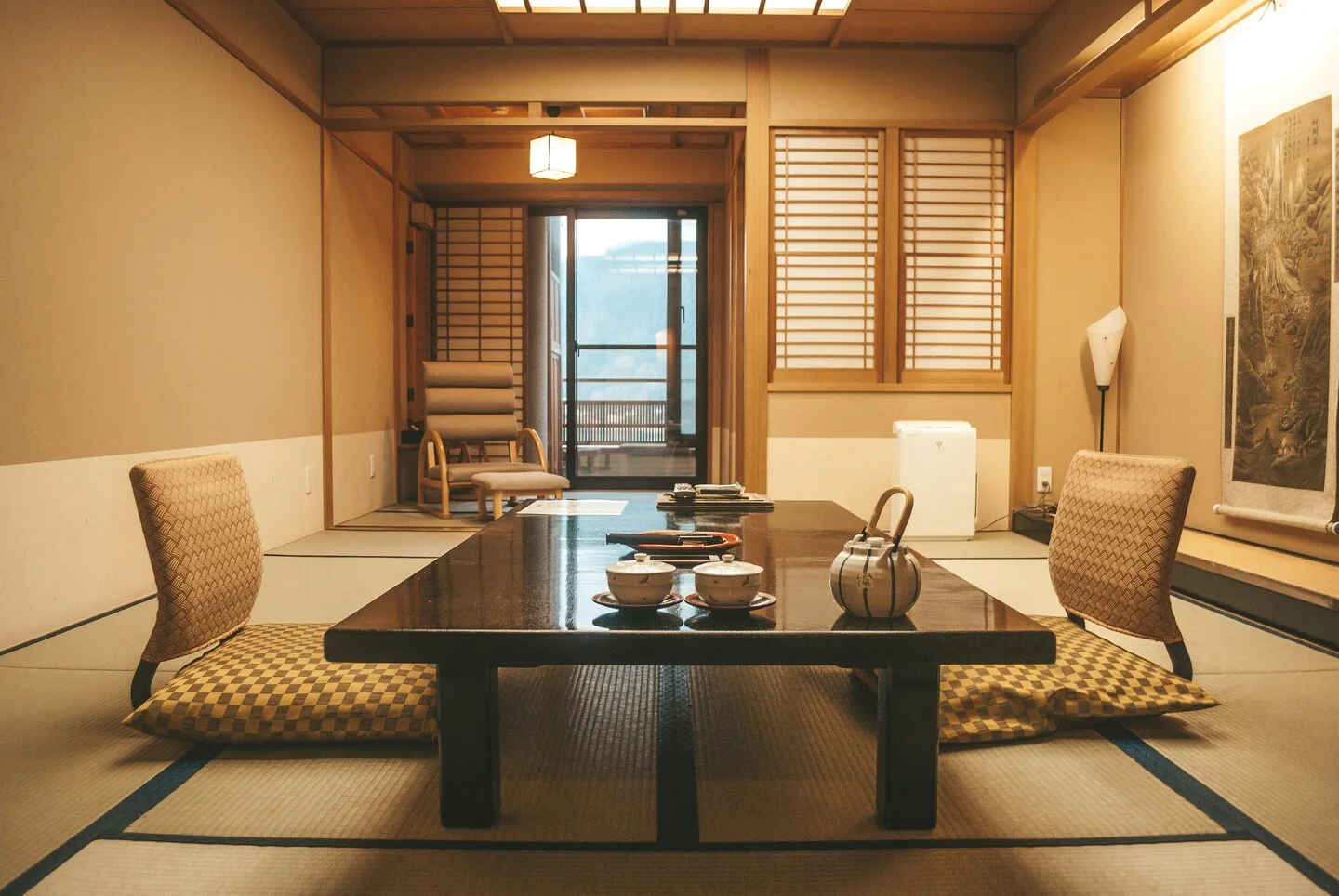
- Arrival ritual — You are welcomed with matcha tea and wagashi (seasonal sweets) in a private tatami room
- Kaiseki dinner — A multi-course culinary journey featuring seasonal ingredients, served course by course in your room or a private dining space
- Onsen bathing — The finest ryokans offer private outdoor baths attached to your room, where you can soak under the stars or watch snow fall in winter
- Futon sleeping — Your room is transformed in the evening, with luxurious futon bedding laid out on the tatami mats
- Morning ritual — Wake to a traditional Japanese breakfast that is itself a work of art
Properties like Gora Kadan, Hakone Ginyu, and Tenseki no Yu are consistently rated among the best ryokans in Japan. We have personal relationships with these properties and secure the best rooms and experiences for our clients.
How Long to Spend in Hakone
We recommend 1-2 nights in Hakone. A single night allows you to experience the full ryokan cycle — arrival, onsen, kaiseki dinner, overnight, breakfast, and departure. Two nights give you time to explore the area's museums, take the Hakone Ropeway for aerial views of the volcanic valley, and cruise across Lake Ashi.
Learn more about our Hakone ryokan experiences.
Osaka: Japan's Kitchen and Comedy Capital
If Kyoto is refined and elegant, Osaka is bold and generous. Known as "Japan's Kitchen" (tenka no daidokoro), Osaka has earned its reputation as the best place to eat in Japan. But this vibrant city offers far more than food — it is Japan at its most relaxed, friendly, and fun.
Street Food and Culinary Culture
Osaka's food scene is legendary, and the local philosophy says it all: kuidaore — "eat until you drop." The city's must-try dishes include:
- Takoyaki — Crispy, golden octopus balls, the quintessential Osaka street food. Best enjoyed fresh from a street vendor in Dotonbori
- Okonomiyaki — Savory Japanese pancakes loaded with cabbage, pork, seafood, and smothered in sweet sauce. Osaka-style is cooked right in front of you on a teppan grill
- Kushikatsu — Deep-fried skewers of meat, seafood, and vegetables in Shinsekai, Osaka's retro entertainment district. The golden rule: never double-dip in the communal sauce
- Kaiseki in Kitashinchi — For the luxury dining experience, Kitashinchi is Osaka's answer to Ginza, with intimate restaurants serving exquisite multi-course meals
Exploring Osaka
Beyond the food, Osaka rewards curious travelers:
- Dotonbori — The city's famous entertainment strip along the canal, alive with neon signs, street performers, and the iconic Glico Running Man billboard. Best experienced after dark
- Osaka Castle — One of Japan's most impressive castles, surrounded by a vast park that is spectacular during cherry blossom season
- Shinsekai — A retro neighborhood frozen in mid-20th century charm, with its distinctive Tsutenkaku Tower and lively atmosphere
- Kuromon Market — Known as "Osaka's Kitchen," this bustling market is where locals and chefs shop for the freshest seafood, wagyu beef, and seasonal produce
- Nakanoshima — Osaka's cultural island, home to museums, historic architecture, and riverside walks that reveal the city's sophisticated side
Day Trip: Nara
Only 45 minutes from Osaka by train, the ancient capital of Nara makes a perfect day trip. Over 1,000 friendly deer roam freely through Nara Park, and the massive Todai-ji temple houses one of Japan's largest bronze Buddha statues. Nara offers a gentler, more intimate experience than Kyoto, with fewer crowds and an almost mystical atmosphere.
How Long to Spend in Osaka
We recommend 2-3 full days in Osaka. This gives you time to explore the food scene properly, visit the major attractions, and potentially take a day trip to Nara. Osaka also serves as an excellent base for visiting Kyoto (30 minutes by shinkansen), making it a natural hub for exploring the Kansai region.
Hiroshima: History, Resilience, and Beauty
Hiroshima is a city that transforms every visitor. Known worldwide for the tragic events of August 1945, modern Hiroshima has rebuilt itself into one of Japan's most welcoming, forward-looking cities — a powerful testament to resilience and the pursuit of peace.
The Peace Memorial
A visit to the Hiroshima Peace Memorial Park is a deeply moving experience that belongs on every Japan itinerary:
- The A-Bomb Dome (Genbaku Dome) — The skeletal remains of the only structure left standing near the bomb's hypocenter, now a UNESCO World Heritage Site and the most powerful symbol of nuclear peace in the world
- Hiroshima Peace Memorial Museum — Completely renovated, the museum tells the story of the bombing through personal artifacts, survivor testimonies, and interactive exhibits. Plan at least 90 minutes
- The Cenotaph — Framing a view of the A-Bomb Dome across the Peace Pond, the cenotaph contains the names of all known victims. The inscription reads: "Let all the souls here rest in peace, for we shall not repeat the evil"
- Children's Peace Monument — Dedicated to Sadako Sasaki and the thousands of children who were victims, surrounded by colorful paper cranes sent from around the world
Miyajima Island
Just a short ferry ride from Hiroshima, Miyajima (officially Itsukushima) is one of the most beautiful places in Japan. The island's famous vermillion torii gate appears to float on the water at high tide — an image that has symbolized Japan for centuries.
- The floating torii gate — Best viewed at high tide when it seems to hover above the sea, and equally magical at low tide when you can walk right up to its base
- Itsukushima Shrine — A UNESCO World Heritage Site built over the water, with elegant covered walkways and stunning views
- Mt. Misen — A short ropeway ride to the summit rewards you with panoramic views of the Seto Inland Sea and its scattered islands
- Wild deer — Like Nara, Miyajima's friendly deer roam freely and add to the island's gentle, otherworldly atmosphere
- Momiji manju — The island's signature maple-leaf-shaped cake, best enjoyed warm and fresh from one of the shops along the main street
How Long to Spend in Hiroshima
We recommend 1-2 full days — one day for the Peace Memorial Park and Museum, and one day for Miyajima Island. Some travelers combine both in a single long day, but we find that giving each experience its own day allows for deeper engagement and reflection. Hiroshima also has excellent okonomiyaki (the Hiroshima-style features layered noodles and is quite different from the Osaka version).
Kanazawa: Japan's Best-Kept Secret
While most travelers focus on Tokyo, Kyoto, and Osaka, those in the know include Kanazawa — a city that rivals Kyoto for cultural depth but sees a fraction of the visitors. Situated on the Sea of Japan coast, Kanazawa was one of the few major Japanese cities spared from bombing during World War II, preserving centuries of samurai and geisha heritage intact.
Kenrokuen: One of Japan's Three Great Gardens
Kenrokuen Garden is consistently ranked among the three most beautiful gardens in Japan, alongside Okayama's Korakuen and Mito's Kairakuen. Spanning over 11 hectares, the garden changes dramatically with the seasons:
- Spring — Cherry blossoms frame traditional tea houses and stone lanterns
- Summer — Lush greenery and iris gardens in full bloom, with the cooling sound of streams and waterfalls
- Autumn — The maple trees explode in fiery reds and oranges, reflected in the garden's ponds
- Winter — The iconic yukitsuri (snow-hanging ropes) protect pine trees from heavy snowfall, creating geometric patterns against the white landscape that have become one of Japan's most iconic winter images
Samurai and Geisha Heritage
Kanazawa preserves two of Japan's most atmospheric historic districts:
- Nagamachi Samurai District — Narrow lanes lined with original samurai residences, earthen walls, and private gardens. The Nomura Samurai House features one of the finest small gardens in Japan
- Higashi Chaya District — Kanazawa's beautifully preserved geisha quarter, where wooden tea houses from the Edo period line atmospheric cobblestone streets. Several tea houses are open to visitors, and you can experience a traditional tea ceremony in an authentic setting
Contemporary Art and Craft
Kanazawa is not only about tradition. The city has embraced contemporary art and maintains centuries-old craft traditions:
- 21st Century Museum of Contemporary Art — A stunning circular glass building by architects SANAA, with free-access installations including the famous "Swimming Pool" by Leandro Erlich
- Gold leaf craftsmanship — Kanazawa produces 99% of Japan's gold leaf. Visit workshops where artisans hammer gold into sheets thinner than a human hair, and try your hand at applying gold leaf to your own keepsake
- Kutani pottery and Kaga yuzen silk dyeing — Traditional crafts that continue to thrive in workshops you can visit and participate in
Omicho Market
Known as "Kanazawa's Kitchen," Omicho Market has been the city's culinary heart for over 300 years. The Sea of Japan provides some of the finest seafood in the country:
- Kaisendon — Bowls overflowing with fresh sashimi, uni (sea urchin), ikura (salmon roe), and seasonal catches
- Nodoguro — A prized deep-sea fish from the Sea of Japan, often called "the toro of white fish" for its rich, buttery flavor
- Kaga vegetables — Unique local varieties cultivated for centuries, featured in Kanazawa's refined cuisine
How Long to Spend in Kanazawa
We recommend 2 full days in Kanazawa. This allows time to explore Kenrokuen Garden at a leisurely pace, wander through the samurai and geisha districts, visit the contemporary art museum, and enjoy the exceptional seafood. Kanazawa connects easily to Kyoto (2.5 hours by shinkansen) and Tokyo (2.5 hours), making it a natural addition to any Japan itinerary.
How to Combine These Destinations
The beauty of Japan's shinkansen (bullet train) network is that all six destinations connect seamlessly. Here are two sample routes we frequently design for our clients:
Classic Japan Route (10-14 days)
Tokyo (3-4 days) → Hakone (1-2 nights) → Kyoto (3-4 days) → Osaka (2-3 days) → Hiroshima & Miyajima (1-2 days)
This is the ideal route for first-time visitors, covering the essential Japan experience from east to west. The journey flows naturally, with the shinkansen whisking you between cities in comfort.
Extended Discovery Route (14-18 days)
Tokyo (3-4 days) → Hakone (1-2 nights) → Kanazawa (2 days) → Kyoto (3-4 days) → Osaka & Nara (2-3 days) → Hiroshima & Miyajima (1-2 days)
For travelers who want to go deeper, adding Kanazawa between Hakone and Kyoto reveals a different side of Japan — the refined culture of the Sea of Japan coast, with fewer tourists and an authenticity that feels increasingly rare.
Every Hitotoki itinerary is tailor-made. We adjust these routes based on your interests, travel pace, and the season, adding private guides, exclusive experiences, and carefully chosen accommodations at every stop.
Frequently Asked Questions
What are the best places to visit in Japan for first-time visitors?
For a first visit, we recommend Tokyo, Kyoto, and Hakone as the essential trio. Tokyo introduces you to modern Japan, Kyoto reveals its cultural soul, and Hakone provides the quintessential ryokan and onsen experience. If you have more time, add Osaka for the food and Hiroshima for the history.
How many days do you need in Japan?
A minimum of 10 days allows you to comfortably visit Tokyo, Hakone, Kyoto, and Osaka. For a more complete experience that includes Hiroshima and Kanazawa, we recommend 14-18 days. Japan rewards slower travel — rushing between cities means missing the moments that make a trip truly special.
Is Japan easy to travel around?
Yes. Japan's transportation infrastructure is among the best in the world. The shinkansen (bullet train) network connects all major cities efficiently and punctually. A Japan Rail Pass covers most journeys. English signage is widely available in major stations, and IC cards (like Suica and Pasmo) make local transportation seamless.
What is the best time of year to visit these destinations?
Spring (late March to May) and autumn (October to November) offer the most pleasant weather and spectacular natural beauty across all six destinations. However, each season has its own appeal. Read our detailed best time to visit Japan guide for month-by-month recommendations.
Can you visit all six destinations in one trip?
Absolutely. A well-planned 14-day itinerary can comfortably include all six destinations. The shinkansen makes travel between cities fast and enjoyable. We design itineraries that balance exploration with relaxation, ensuring you never feel rushed.
What is the best way to plan a luxury Japan trip?
The best luxury Japan experiences come from local expertise and personal connections. As a Japan-based travel agency, we design every itinerary individually — selecting the finest ryokans, arranging private guides, and securing exclusive experiences that are not available to independent travelers. Request your custom itinerary to start planning.
Start Planning Your Japan Journey
The best places to visit in Japan offer something for every traveler — from the electric energy of Tokyo to the timeless beauty of Kyoto, from the healing waters of Hakone to the culinary paradise of Osaka, from the profound history of Hiroshima to the hidden elegance of Kanazawa.
As a small, Japan-based team, we know these destinations intimately. We have walked every temple path, tested every ryokan, and built relationships with local guides, chefs, and artisans who make each experience extraordinary. Every journey we design is personal, detailed, and crafted to create memories that last a lifetime.
Ready to discover Japan?
Tell us your travel dates, interests, and style — we will design a detailed, bespoke itinerary with no obligation.
Hitotoki Travel is a luxury travel agency based in Japan, specializing in bespoke, tailor-made journeys for discerning travelers. Every itinerary is personally designed to create an unforgettable Japanese experience.