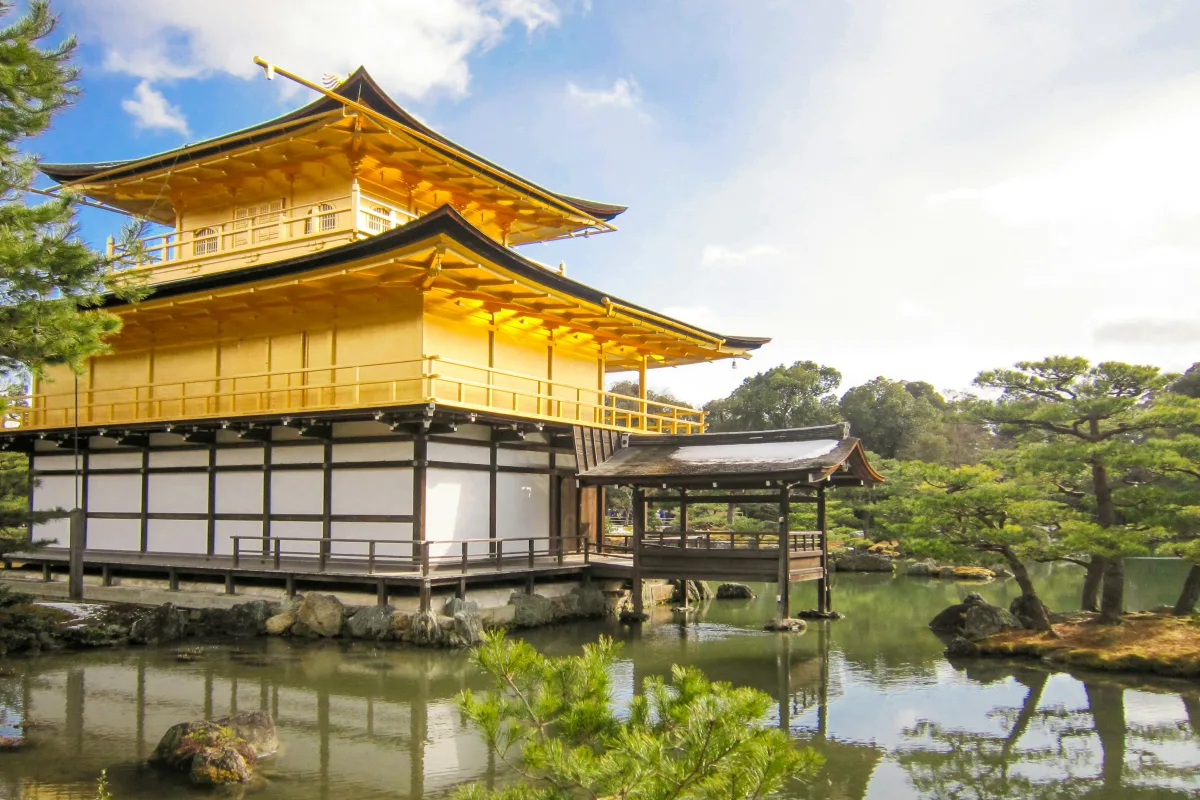
How far in advance should you book a luxury trip to Japan? For cherry blossom season and autumn foliage, a luxury trip to Japan should ideally be booked 6 to 12 months in advance. For quieter periods, 6 months is often sufficient — but Japan’s best ryokans, private guides, and dining experiences tend to fill much earlier than many travelers expect.
At Hitotoki, we design tailor-made luxury journeys across Japan for discerning international travelers. One of the most common regrets we hear is not starting the planning process soon enough — not because the trip cannot happen, but because the best options are no longer available.
This guide breaks down exactly when to book, what fills up first, and how to approach planning so that nothing is left to chance.
Quick Overview: Booking Lead Times by Season
| Season | Travel Months | Recommended Booking Window | Why |
|---|---|---|---|
| Cherry Blossom | Late March – Mid April | 9–12 months ahead | Peak demand for ryokans, guides, and dining |
| Golden Week | Late April – Early May | 8–10 months ahead | Domestic holiday — accommodation scarcity |
| Summer | June – August | 4–6 months ahead | Festival access requires early planning |
| Autumn Foliage | Mid October – Late November | 6–9 months ahead | Second-highest demand after sakura |
| Winter | December – February | 3–5 months ahead | Lower demand, but top onsen ryokans fill early |
| Shoulder | May, September, Early October | 3–6 months ahead | Best availability, most flexibility |
Why Booking Early Matters More in Japan Than Anywhere Else
Many of Japan’s most memorable luxury travel experiences are defined by intimacy, limited capacity, and a high degree of seasonality. The properties, guides, and dining experiences that define an exceptional trip are, by nature, limited in supply.
Here is what makes Japan different from most luxury destinations:
- Ryokans are small. The best traditional inns have 8 to 20 rooms — not 200. A single group booking can eliminate availability for an entire week.
- Private guides are individuals, not agencies. The most experienced English-speaking guides in Kyoto or Tokyo have personal calendars that fill months in advance.
- Restaurant access requires relationships. Many of Japan’s most sought-after dining venues — especially intimate sushi counters, kaiseki restaurants, and invitation-oriented establishments — are not easily accessible through standard online booking channels. Many require a Japanese-speaking intermediary and weeks of advance coordination.
- Seasonal demand is extreme. Cherry blossom and autumn foliage seasons create surges that overwhelm even Japan’s well-organized hospitality sector.
In many cases, the difference between booking 10 months ahead and 3 months ahead is less about price than about access.
Season-by-Season Booking Guide
Cherry Blossom Season (Late March – Mid April)
This is Japan’s most sought-after travel window — and the one that requires the longest lead time.
When to book: 9 to 12 months before your travel dates.
What fills up first:
- Premier ryokans in Hakone, Kyoto, and the Japan Alps
- Private guides in Kyoto during peak bloom week
- Exclusive hanami (flower-viewing) experiences
- Top kaiseki and sushi restaurants in Tokyo and Kyoto
The challenge: Cherry blossom timing varies by 1 to 2 weeks each year depending on weather, and the Japanese Meteorological Agency only releases reliable forecasts about 6 weeks before bloom. Designing an itinerary that maximises your chances of catching peak bloom across multiple locations requires expertise and flexibility — both of which depend on early planning.
Hitotoki recommendation: For sakura season, we recommend starting the planning process 9 to 12 months ahead, with some flexibility between Tokyo, Hakone, and Kyoto. This gives us the best chance of securing the right ryokan, guide, and dining reservations while preserving room to adapt to the bloom forecast. Travelers who contact us 3 months before sakura season often find that the best ryokans are already full.
For more on seasonal timing, see our Best Time to Visit Japan guide.
Autumn Foliage (Mid October – Late November)
Autumn is Japan’s second peak season — and in many ways, its most beautiful. The demand is intense, particularly in Kyoto, where temples surrounded by fiery maples draw visitors from around the world.
When to book: 6 to 9 months before your travel dates.
What fills up first:
- Kyoto ryokans with garden views (the foliage is the experience)
- Private guides during peak color weeks (mid-November in Kyoto)
- Restaurant reservations at seasonal kaiseki venues
- Scenic rail bookings and private transfers in rural areas
The advantage of early booking: Autumn color timing is somewhat more predictable than cherry blossoms — peak foliage in Kyoto reliably falls between November 10 and 25. This means itineraries can be planned with greater precision, but it also means competition for that precise window is fierce.
Summer (June – August)
Summer is often overlooked by international luxury travelers — but it offers some of Japan’s most vibrant cultural experiences.
When to book: 4 to 6 months before your travel dates.
What fills up first:
- Festival-related accommodations (Gion Matsuri in Kyoto, Nebuta in Aomori)
- Premium beach properties in Okinawa
- Mountain retreats in Hakone and the Japan Alps
- Exclusive access to festival events and private viewing areas
What to know: June is rainy season (tsuyu) across most of Japan — this is a deterrent for many, but a strategic advantage for those who do not mind occasional showers. Availability is better, prices are lower, and the lush green landscapes are extraordinary.
July and August bring heat and humidity but also Japan’s most spectacular matsuri (festivals). These require specific advance planning because they create intense local demand.
Winter (December – February)
Winter is Japan’s hidden gem for luxury travel — and the season with the most forgiving booking timeline.
When to book: 3 to 5 months before your travel dates.
What fills up first:
- New Year’s period (December 28 – January 3) — one of the busiest domestic travel periods
- Snow onsen ryokans in Hakone, Ginzan, and the Japan Alps
- Ski resort accommodations in Niseko and Nozawa Onsen
- Private snow experiences and winter illumination events
The opportunity: Outside of the New Year window, winter offers the best availability and the most intimate Japan experience. Snow-covered temples, steaming outdoor onsen, and virtually empty cultural sites create a completely different — and deeply memorable — atmosphere.
Shoulder Seasons (May, September, Early October)
These are the most flexible months for luxury travel planning — and often the smartest choice for travelers who value variety and access over a specific seasonal highlight.
When to book: 3 to 6 months before your travel dates.
Why consider shoulder seasons:
- Best availability at top ryokans and restaurants
- Comfortable weather (especially May and October)
- Fewer crowds at temples, gardens, and cultural sites
- More flexibility to adjust itineraries based on personal interests
- Often better value, not because prices drop, but because the best options remain available
For many first-time luxury travelers, these months offer the best balance between weather, availability, and itinerary flexibility.
What Fills Up First: A Priority Checklist
Not everything in Japan requires the same lead time. Here is what to secure first, regardless of season:
Book 6–12 months ahead:
- Premier ryokans — especially properties with fewer than 15 rooms
- Private English-speaking guides — particularly in Kyoto and for multi-day assignments
- Exclusive dining reservations — sushi counters, private kaiseki, chef’s table experiences
Book 3–6 months ahead:
- Luxury hotel rooms — international brands have more inventory, but suites and premium categories still sell
- Private transfers and chauffeured vehicles — essential for multi-city itineraries
- Cultural experiences — tea ceremony, private temple visits, artisan workshops
Book 1–3 months ahead:
- Day-to-day logistics — restaurant adjustments, local activities, last-minute additions
- Domestic flights — Japan’s efficient rail network is often preferable, but some routes (Tokyo–Okinawa, Tokyo–Hokkaido) benefit from early flight booking
The Real Cost of Booking Late
Booking late does not necessarily mean paying more — it means settling for less.
Here is what typically happens when luxury travelers begin planning fewer than 3 months before a peak-season trip:
- Ryokan compromise: The top-tier property is full; the alternative is good but lacks the private onsen or the view
- Guide availability: The most experienced guide is booked; the replacement is competent but less seasoned
- Dining access: The intimate 8-seat sushi counter is closed; the alternative is a larger, less exclusive venue
- Itinerary rigidity: Fewer options mean less ability to tailor the trip around personal preferences
None of these compromises is catastrophic — but collectively, they are the difference between a very good trip and an extraordinary one.
How to Start Planning
The ideal approach to booking a luxury trip to Japan follows a clear sequence:
- Define your travel window — even a rough month is enough to begin
- Identify your priorities — cultural depth, culinary experiences, relaxation, adventure, or a combination
- Engage a specialist early — a Japan-based travel designer can secure options that disappear quickly and build an itinerary around your specific interests
- Remain flexible on exact dates — shifting by even 2 to 3 days can dramatically improve availability
At Hitotoki, we begin every journey with a detailed consultation. Once we understand your vision, we move quickly to secure the elements that matter most — the ryokan, the guide, the restaurant — before building the rest of the itinerary around them.
If you are considering a luxury journey across Japan, our team would be delighted to help you define the right travel window and design a bespoke itinerary around your pace, interests, and preferred style of travel.
Frequently Asked Questions
How far in advance should I book a cherry blossom trip to Japan?
We recommend 9 to 12 months for cherry blossom season. The best ryokans in Kyoto and Hakone fill up quickly, and private guide availability during peak bloom is extremely limited. Starting early gives you the widest choice of properties and the most flexibility in itinerary design.
Can I still plan a luxury trip to Japan with less than 3 months’ notice?
Yes — particularly outside peak seasons. Shoulder months (May, September, early October) and winter offer excellent last-minute availability. Even during busier periods, a Japan-based specialist with local relationships can often find solutions that are not visible through standard booking channels.
Is it cheaper to book a Japan trip further in advance?
In luxury Japan travel, the question is less about price and more about access. Ryokans and restaurants do not typically offer early-bird discounts — but booking early means securing the best room category, the most experienced guide, and the dining experiences that define an exceptional trip.
What is the single most important thing to book early?
The ryokan. More than any other element, the quality of your ryokan experience depends on availability. The best properties are small, exclusive, and in high demand year-round. Everything else in the itinerary can be built around this anchor.
What should I secure first when planning a luxury trip to Japan?
The ryokan. It is the single element that shapes the rest of the itinerary — and the one most affected by limited availability. Once the right properties are confirmed, private guides, dining reservations, and transfers can be built around them with much more flexibility.