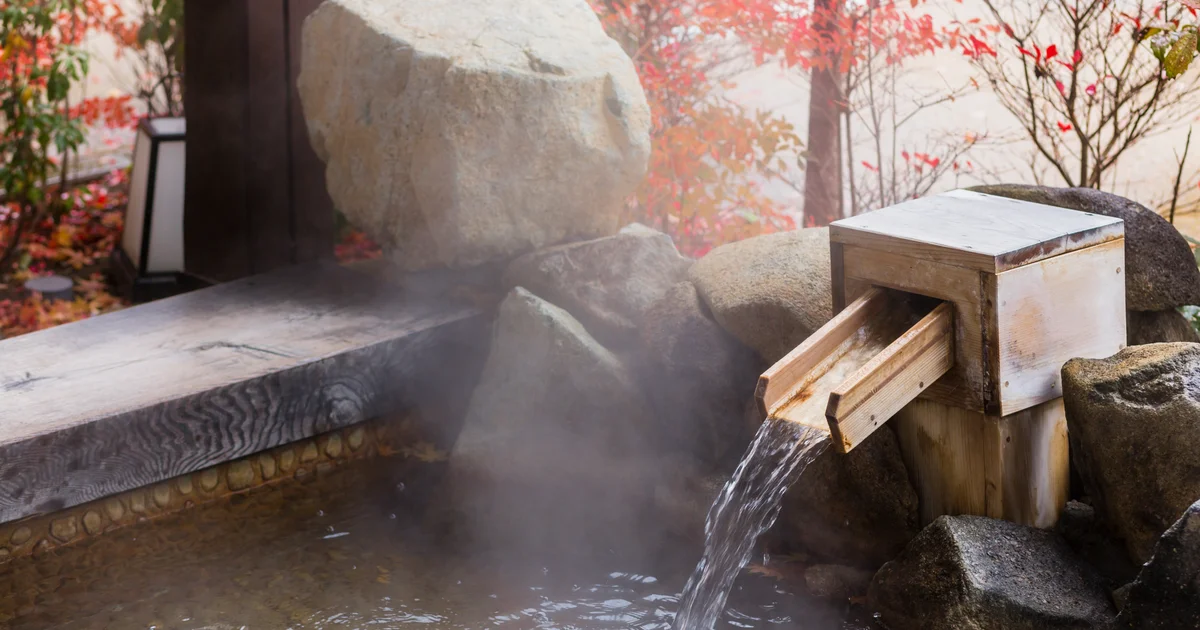
There is a moment that every traveler remembers from their first ryokan stay. It happens shortly after arrival — shoes exchanged for slippers at the entrance, yukata robe folded neatly on the tatami, the scent of hinoki wood rising from a steaming bath. The outside world recedes. Time, briefly, stops.
A ryokan is not simply a hotel in traditional clothing. It is an entirely different philosophy of hospitality — one that has been refined over centuries and remains, to this day, one of the most distinctive experiences Japan has to offer. For the luxury traveler, it is also one of the most misunderstood.
At Hitotoki Travel, we have been selecting and pairing our clients with exceptional ryokans across Japan for years. Not every beautiful inn is the right fit for every traveler — and conversely, the right ryokan, in the right region, at the right moment in your itinerary, can become the defining memory of an entire trip.
This guide is designed to give you the cultural and practical foundation you need — so that whether you work with us or plan independently, your ryokan stay is everything it should be.
What Is a Ryokan — and How Is It Different from a Luxury Hotel?
The word ryokan (旅館) translates literally as "travel building" — but the concept runs far deeper than the etymology suggests. Ryokans are traditional Japanese inns that trace their origins to the Nara period (8th century), when they served pilgrims and traveling merchants along Japan's ancient roads.
Today, a high-quality ryokan is defined by several elements that have no direct equivalent in Western luxury hospitality:
- Omotenashi — a form of anticipatory, selfless hospitality where the staff endeavors to meet needs before they are expressed. This is not service in the transactional sense; it is care.
- Kaiseki cuisine — a multi-course meal that functions as an art form, built around seasonal, local ingredients and prepared with extraordinary precision. At a great ryokan, dinner alone can last two hours.
- The onsen — natural hot spring baths fed by geothermal waters, each with its own mineral composition and therapeutic properties. The experience of bathing in an onsen, particularly an outdoor rotenburo at dusk, is difficult to replicate anywhere in the world.
- The tatami room — a living space deliberately stripped of excess, where paper screens filter light and the flooring itself is fragrant. It is a space designed to slow you down.
Where a luxury hotel optimizes for comfort and consistency, a ryokan optimizes for immersion and memory. The two can be equally excellent — they are simply not the same thing.
The Criteria That Separate Good Ryokans from Exceptional Ones
The ryokan landscape in Japan is vast. There are thousands of inns across the country, ranging from modest countryside guesthouses to properties that rank among the finest accommodations in the world. Navigating this landscape independently is one of the most common challenges our clients face.
Here is what we look for when evaluating a ryokan for our travelers:
The Quality of the Onsen
Not all onsen are created equal. The source, temperature, and mineral composition of the water vary significantly by region and property. For couples or travelers seeking privacy, the availability of a private in-room onsen is often the deciding factor. Shared baths, while culturally authentic and often architecturally stunning, require comfort with communal nude bathing — a consideration that matters greatly for first-time visitors.
The Kaiseki Dinner
Dinner at a ryokan is not an afterthought — it is central to the experience. At the finest inns, the chef's relationship with local farmers, fishermen, and foragers is decades long. The evening meal reflects the precise season and the specific landscape of the region. We pay close attention to whether a property serves kaiseki in-room or in a dining hall, and whether menus can be adapted for dietary restrictions.
The Scale and Atmosphere of the Property
Smaller is often better. A ryokan with ten rooms can offer a quality of attention that a property with a hundred rooms cannot. That said, scale should match the traveler's personality — some guests thrive in the intimate, near-silent atmosphere of a remote mountain inn, while others prefer a slightly more animated property with a range of amenities. Getting this match right is an art.
English-Language Service
Many of Japan's most remarkable ryokans operate primarily in Japanese. This is not a barrier — it is part of the experience — but it requires preparation. We ensure our clients receive detailed briefings before their stay, and we communicate any specific needs to the property in advance, so that nothing is lost in translation.
The Key Regions: Where a Ryokan Stay Makes the Most Sense
Japan's ryokan culture is deeply regional. The best inns are not randomly distributed across the country — they cluster in areas where nature, history, and culinary tradition converge. For travelers following our most popular Tokyo–Hakone–Kyoto itinerary, three regions stand out.
Hakone
Situated within a national park roughly 90 minutes from Tokyo, Hakone is the most accessible ryokan destination for travelers building a classic Japan itinerary. On clear days, the iconic silhouette of Mount Fuji frames the landscape. The region is fed by multiple geothermal sources, meaning the onsen here — sulfuric, silky, iron-rich depending on the specific valley — are among the most varied in Japan.
Hakone's popularity is both its strength and its limitation. The finest properties in the region book months in advance and justify their rates with exceptional cuisine and service. Mid-range options, however, can feel crowded and transactional. The difference between a disappointing Hakone stay and a transformative one lies almost entirely in the specific property — which is precisely why we curate our selection carefully.
The Kyoto Region
Kyoto itself hosts a handful of exceptional urban ryokans — traditional townhouse conversions called machiya that place you in the heart of historic neighborhoods. For those who prefer the countryside, the areas surrounding Kyoto offer some of Japan's most atmospheric inns, from mountain villages to coastal onsen towns.
A night or two in a ryokan near Kyoto, positioned between days of temple visits and garden walks, adds a dimension that no hotel stay can replicate. The contrast between the city's cultural intensity and the stillness of a riverside inn is, for many of our clients, the emotional peak of their entire trip.
Beyond the Classic Route
For travelers extending their itinerary beyond the Tokyo–Kyoto axis, remarkable ryokan experiences await in regions that see far fewer foreign visitors: the hot spring villages of Tohoku in the north, the Izu Peninsula south of Tokyo, the dramatic Iya Valley in Shikoku, and the remote Kurokawa Onsen in Kyushu. These properties often deliver a depth of experience — and a degree of solitude — that the more accessible regions cannot match.
Common Mistakes Travelers Make When Booking a Ryokan Independently
Over the years, we have helped many clients who arrived in Japan with ryokan stays pre-booked — and not always happily. These are the patterns we see most often:
- Choosing based on photos alone. Ryokan photography is almost universally beautiful. What photos cannot convey is the quality of the water, the attentiveness of the staff, or the gap between expectation and reality.
- Booking the wrong property for the wrong moment in the trip. A ryokan at the beginning of a journey, when jet lag is still present, will be experienced very differently from one placed midway through — when the traveler has found their rhythm and is ready to slow down.
- Underestimating the language barrier. Communicating dietary restrictions, requesting specific bath times, or understanding what is being offered at dinner can be frustrating without preparation.
- Prioritizing price over fit. The most expensive property is not always the best match. A more modest inn in precisely the right setting can deliver a more meaningful experience than a flagship property visited at the wrong time of year.
- Not accounting for the surrounding itinerary. A ryokan stay is most powerful when the days before and after are thoughtfully composed — arriving having engaged deeply with a city, and departing rested and ready for the next chapter of the journey.
Practical Etiquette: How to Experience a Ryokan Like a Local
The etiquette of a ryokan stay is not complicated — but it is specific. A few principles will carry you through almost any situation:
- Shoes off at the entrance. This is non-negotiable and universal. You will be provided with slippers for common areas; these are removed again before stepping onto tatami.
- Wear your yukata. The robe provided in your room is meant to be worn — not just in the room, but in hallways, common areas, and sometimes the dining room. Changing into yukata signals that you have arrived, in the fullest sense.
- Bathe before the onsen. Ryokan etiquette requires that guests shower thoroughly at the low shower stations before entering the shared baths. This is both hygienic practice and cultural custom.
- Tattoos require advance planning. Many ryokans maintain policies against visible tattoos in shared bathing areas. If this applies to you, your accommodation should offer private bath options — we always verify this in advance for our clients.
- Tipping the nakai-san. Unlike broader Japanese culture, where tipping is discouraged, it is acceptable — though never required — to leave a small tip for your room attendant, placed neatly in an envelope.
Planning a Japan Trip with a Ryokan Stay?
At Hitotoki Travel, ryokan selection is one of the most considered parts of every itinerary we build. We visit properties personally, maintain relationships with the inns we recommend, and handle all communication and logistics on your behalf — including advance requests for dietary needs, private bath access, and in-room dining preferences.
If you are planning a trip to Japan and would like to discuss how a ryokan stay might fit within your itinerary, we would be delighted to hear from you.
Frequently Asked Questions
How much does a ryokan stay cost in Japan?
Ryokan pricing varies enormously. Budget guesthouses can be found from ¥8,000–15,000 per person per night including meals. Mid-range ryokans typically range from ¥20,000–40,000 per person. Exceptional luxury properties often begin at ¥50,000–80,000 per person per night, with some flagship inns exceeding ¥150,000. We work within your priorities to identify the properties that offer the greatest value at each level.
What is the best time of year to stay at a ryokan?
Ryokans are exceptional in every season. Spring brings cherry blossom viewing from riverside baths. Summer means fireflies and cool mountain air. Autumn foliage turns the gardens into something extraordinary. Winter — particularly in snowy regions — offers the unforgettable contrast of steaming onsen against ice-covered landscapes. The best season depends on your broader itinerary and what you most want to experience.
Do I need to speak Japanese to stay at a ryokan?
Not at all. Many of Japan's most acclaimed ryokans accommodate international guests warmly. For those with limited English-speaking staff, we prepare our clients thoroughly and communicate with the property in advance on their behalf. A small amount of goodwill and patience goes a long way.
Can I stay at a ryokan with young children?
Many ryokans welcome families, and the novelty of tatami rooms, yukata robes, and communal meals can make for extraordinary memories for children. Some properties prefer adult guests — we always verify this in advance. For families, we also look for ryokans with private onsen facilities, which simplify the bathing logistics considerably.
What is the difference between a ryokan and an onsen hotel?
A traditional ryokan emphasizes the full cultural experience: tatami rooms, yukata, kaiseki dining, and personal service from a dedicated attendant. An onsen hotel is typically larger, more hotel-like, and centered primarily on the hot spring facilities. For our clients seeking depth and authenticity, we generally recommend ryokans — but both can be excellent depending on what you are looking for.